
Why Use Glass Tiles: Complete Benefits and Options
Posted by Mike Belk on Dec 01, 2025
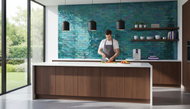
More american homeowners and designers are discovering the remarkable impact of glass tiles on interior spaces. These tiles do not just cover surfaces, they transform rooms by bringing in light and vibrant color. Glass tiles reflect up to 80 percent of visible light, making even small kitchens or bathrooms appear brighter and more open. With their durability, easy maintenance, and eye-catching look, glass tiles offer a fresh alternative to more traditional materials.
Table of Contents
- Defining Glass Tiles And Their Unique Appeal
- Types Of Glass Tiles And Key Differences
- Advantages Of Glass Tiles For Interiors
- Design Applications In Residential And Commercial Spaces
- Cost, Maintenance, And Longevity Considerations
- Comparing Glass Tiles To Other Tile Materials
Key Takeaways
| Point | Details |
|---|---|
| Unique Appeal | Glass tiles offer vibrant colors and reflective properties that enhance interior design beyond traditional materials. |
| Durability & Hygiene | Their non-porous surface resists bacteria and stains, making glass tiles ideal for areas with high humidity. |
| Versatility | Suitable for various applications including kitchen backsplashes and commercial spaces, glass tiles provide design flexibility. |
| Cost Considerations | Although initial costs are higher, their long-lasting durability and low maintenance can justify the investment. |
Defining Glass Tiles and Their Unique Appeal
Glass tiles represent a transformative design element that offers far more than traditional tiling materials. These thin, vibrant pieces of glass have revolutionized interior design with their extraordinary unique visual properties, creating stunning aesthetic experiences across residential and commercial spaces.
At their core, glass tiles are crafted from specially manufactured glass sheets that are cut into precise geometric shapes, ranging from tiny mosaic pieces to larger format tiles. Their manufacturing process allows for an incredible range of colors, transparencies, and light-reflecting qualities that ceramic or stone tiles simply cannot match. Consumer Reports notes that these tiles are “often sold individually or as mosaics, known for their vibrant colors and reflective properties,” which makes them exceptional for enhancing interior visual appeal.
The unique characteristics of glass tiles extend well beyond their remarkable appearance. Durability and versatility are key attributes that make them an increasingly popular choice among designers and homeowners. Glass tiles resist water absorption, maintain their color integrity over time, and can be used in diverse applications - from kitchen backsplashes to swimming pool interiors. Their non-porous surface also provides excellent hygiene benefits, preventing moisture accumulation and inhibiting bacterial growth.
Understanding glass tiles means recognizing their potential to transform spaces. Whether you’re seeking a modern minimalist look or an intricate artistic statement, glass tiles offer design flexibility that traditional materials cannot replicate. Their ability to capture and reflect light creates depth, dimension, and visual interest in ways that make every installation unique.
Types of Glass Tiles and Key Differences
Glass tiles represent a diverse and sophisticated category of design materials, with multiple manufacturing techniques creating distinct visual and functional characteristics. According to ceramic industry research, glass tiles are categorized into specialized production types that dramatically impact their final appearance and performance.
The primary types of glass tiles include cast glass tiles, fused glass tiles, and low-temperature coated glass tiles. Cast glass tiles are created by pouring molten glass into precise molds, resulting in tiles with exceptional uniformity and clarity. Fused glass tiles involve layering different glass colors and compositions, then heating them at high temperatures to create complex, multidimensional visual effects. Low-temperature coated tiles feature specialized surface treatments that enhance their reflective qualities and durability.
Manufacturing processes significantly influence each tile’s unique properties. Some glass tiles are strategically layered or laminated to create intricate visual depth, while others are precisely cut to achieve geometric precision. The variations in production techniques mean that glass tiles can range from completely transparent to deeply saturated, from minimalist solid colors to complex artistic compositions.
Understanding these differences allows homeowners and designers to select glass tiles that perfectly match their aesthetic and functional requirements. Whether seeking a sleek, modern backsplash or an intricate decorative accent, the wide variety of glass tile types ensures that every design vision can be beautifully realized.
Advantages of Glass Tiles for Interiors
Glass tiles have emerged as a transformative design element, offering remarkable advantages that extend far beyond traditional tiling materials. Consumer Reports highlights their exceptional versatility, noting their suitability for walls, backsplashes, and even select floor applications, making them an incredibly adaptable design solution.
The visual brilliance of glass tiles sets them apart from conventional materials. Their inherent light-reflecting properties create a luminous effect that can dramatically transform interior spaces. Unlike ceramic or stone tiles, glass tiles capture and bounce light in unique ways, making rooms feel larger, brighter, and more dynamic. This optical magic means that even small spaces can feel expansive and vibrant when adorned with strategically placed glass tiles.
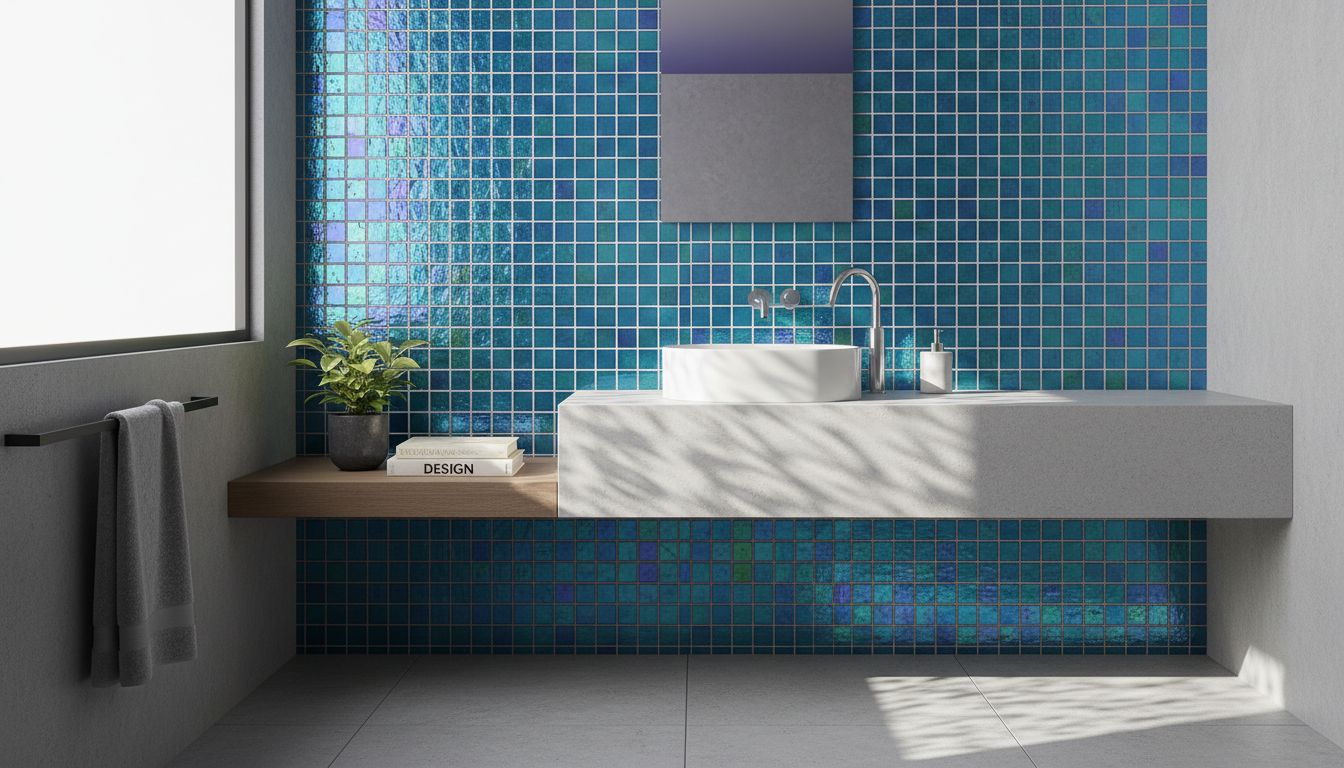
Practical benefits complement their aesthetic appeal. Glass tiles are remarkably easy to clean, resistant to stains, and maintain their color intensity over time. Their non-porous surface prevents moisture absorption, making them an ideal choice for high-humidity areas like kitchens and bathrooms. Hygiene-conscious homeowners appreciate that glass tiles do not harbor bacteria or mold, providing a clean and sanitary surface that requires minimal maintenance.
From contemporary minimalist designs to intricate artistic installations, glass tiles offer unparalleled design flexibility. Their ability to create depth, introduce vibrant colors, and reflect light makes them a favorite among interior designers seeking to craft unique, personalized spaces. Whether used as an accent wall, a kitchen backsplash, or a full room coverage, glass tiles provide a sophisticated solution that combines visual drama with practical performance.
Design Applications in Residential and Commercial Spaces
Consumer Reports highlights the remarkable versatility of glass tiles, demonstrating their exceptional adaptability across diverse design environments. From intimate residential spaces to expansive commercial interiors, these tiles offer designers and architects a dynamic medium for transforming architectural landscapes.
In residential settings, glass tiles excel in multiple applications. Kitchens benefit from their stunning backsplash potential, where they create visual depth and protect walls from cooking splashes. Bathrooms leverage glass tiles for shower surrounds, accent walls, and floor accents, introducing luminosity and a sense of spaciousness. Homeowners particularly appreciate their ability to make smaller spaces feel more open and sophisticated, with reflective surfaces that bounce light and create an illusion of expanded square footage.
Commercial environments embrace glass tiles for their durability and aesthetic flexibility. Glass wall tiles introduce a touch of professional elegance in reception areas, corporate lobbies, and hospitality spaces. Restaurants use them to create dramatic accent walls, while retail environments incorporate glass tiles to establish distinctive visual identities. Their non-porous surface and easy maintenance make them ideal for high-traffic areas that require both aesthetic appeal and practical performance.
The design potential of glass tiles extends far beyond traditional applications. Modern architects and interior designers view them as artistic elements, not merely functional surfaces. Whether creating intricate mosaic patterns in spa environments, developing minimalist color gradients in office settings, or crafting bold statement walls in contemporary homes, glass tiles provide an unparalleled canvas for creative expression.
Cost, Maintenance, and Longevity Considerations
Consumer Reports highlights the complexity of glass tile installations, noting that their unique characteristics demand careful financial and technical considerations. Homeowners and designers must evaluate multiple factors beyond initial purchase price to understand the true investment potential of glass tiles.
Initial costs for glass tiles can be significantly higher compared to traditional ceramic or porcelain options. Premium glass tiles range from $20 to $50 per square foot, with specialized artistic or handcrafted varieties potentially exceeding $100 per square foot. However, their long-term value becomes apparent through remarkable durability and minimal maintenance requirements. The non-porous surface means less frequent replacement and easier cleaning, which can offset the higher upfront expenses.
The beauty and practicality of affordable glass tiles become evident when considering their maintenance profile. Unlike porous materials, glass tiles resist staining, prevent bacterial growth, and maintain their vibrant appearance with simple cleaning routines. Routine maintenance typically involves mild soap, water, and occasional glass cleaner, eliminating the need for specialized or expensive treatment products.
Longevity depends critically on proper installation and substrate preparation. Glass tiles require precise mounting techniques to prevent potential cracking or detachment, especially in areas experiencing temperature fluctuations or structural movements. Professional installation, while adding to initial costs, ensures optimal performance and can extend the lifespan of glass tile surfaces by decades, making them a potentially more economical choice for discerning homeowners and commercial property managers.
Comparing Glass Tiles to Other Tile Materials
Consumer Reports highlights the distinctive qualities that set glass tiles apart from traditional ceramic and porcelain materials. While each tile type offers unique advantages, glass tiles bring a transformative aesthetic and functional dimension that fundamentally differs from more conventional options.
Ceramic and porcelain tiles are known for their durability and affordability, but glass tiles introduce an unparalleled visual dynamism. Unlike the matte, opaque surfaces of traditional tiles, glass tiles capture and reflect light, creating depth and luminosity that ceramic materials cannot replicate. Porcelain tiles offer excellent wear resistance, yet they lack the translucent quality and color intensity that make glass tiles so visually striking. The reflective properties of glass mean smaller spaces feel larger and more open, a design advantage not possible with more solid tile materials.
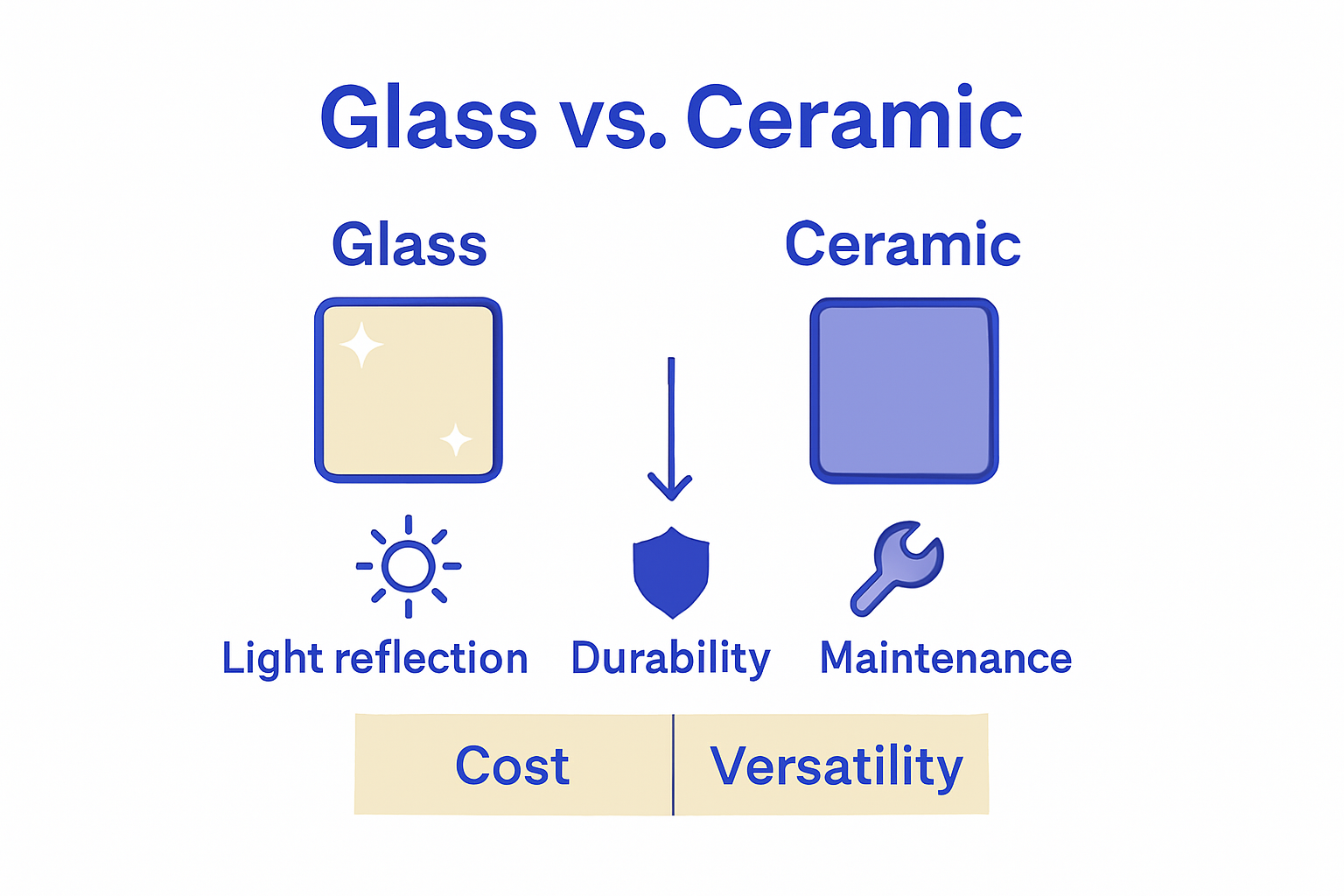
Kitchen backsplash tile options demonstrate these unique characteristics perfectly. Ceramic tiles provide functional protection, but glass tiles transform the same space into an artistic statement. Their non-porous surface offers superior hygiene compared to natural stone tiles, which can harbor bacteria in microscopic pores. While natural stone requires regular sealing and maintenance, glass tiles maintain their pristine appearance with minimal effort, making them an increasingly preferred choice for design-conscious homeowners.
Maintenance and longevity represent another critical comparison point. Ceramic tiles are budget-friendly and relatively simple to install, but glass tiles offer a premium aesthetic that justifies their higher initial cost. Their resistance to staining, ease of cleaning, and ability to retain color intensity over time make them a compelling long-term investment. Professional designers increasingly recommend glass tiles for spaces demanding both exceptional visual appeal and practical performance.
Transform Your Space with Glass Tiles from BELK Tile
Are you ready to elevate your home’s style while solving common challenges like moisture resistance, durability, and design flexibility Glass tiles offer a brilliant way to brighten and expand your interiors with their unique light-reflecting properties and easy-to-clean surfaces. If you want to create a kitchen backsplash or bathroom accent wall that truly stands out you deserve tile options that provide both artistic depth and lasting performance.
Discover a wide selection of premium glass mosaic and specialty tiles at BELK Tile designed to meet your aesthetic goals and practical needs. Our kitchen backsplash tiles bring vibrant color and hygiene benefits to your cooking space. With detailed product listings, stunning images, and easy browsing tools you can find exactly the right glass tiles to transform your project. Don’t wait to turn your vision into reality start exploring the stunning possibilities now at BELK Tile for stylish durable solutions that last.
Frequently Asked Questions
What are glass tiles made of?
Glass tiles are crafted from specially manufactured glass sheets that are cut into geometric shapes, ranging from small mosaic pieces to larger tiles. They come in various colors and can have different transparencies and light-reflecting qualities.
What are the benefits of using glass tiles in home design?
Glass tiles offer several advantages, including durability, versatility, and aesthetic appeal. They are non-porous, resistant to stains, and easy to clean, which makes them ideal for areas like kitchens and bathrooms. Their ability to reflect light can also enhance the visual space of a room.
How do glass tiles compare to ceramic tiles?
Glass tiles differ from ceramic tiles in their visual dynamics and maintenance. While ceramic tiles are durable and affordable, glass tiles provide a unique light-reflecting quality and vibrant colors. They are also more hygienic due to their non-porous surface, whereas ceramic can harbor bacteria and require regular sealing.
Can glass tiles be used for outdoor applications?
While glass tiles can be used for some outdoor applications, it’s essential to choose tiles specifically designed for outdoor use to withstand temperature fluctuations and other environmental factors. Ensure proper installation to avoid issues related to cracking or detachment.
Recommended