


Heavenly Lagoon DTL-3005 Iridescent Arabesque Glass Mosaic Tile for Kitchen Backsplash, Shower Walls & Fireplace
Choose your option

Dentelle Series April Shower Glass Mosaic DTL-3004
Choose your option
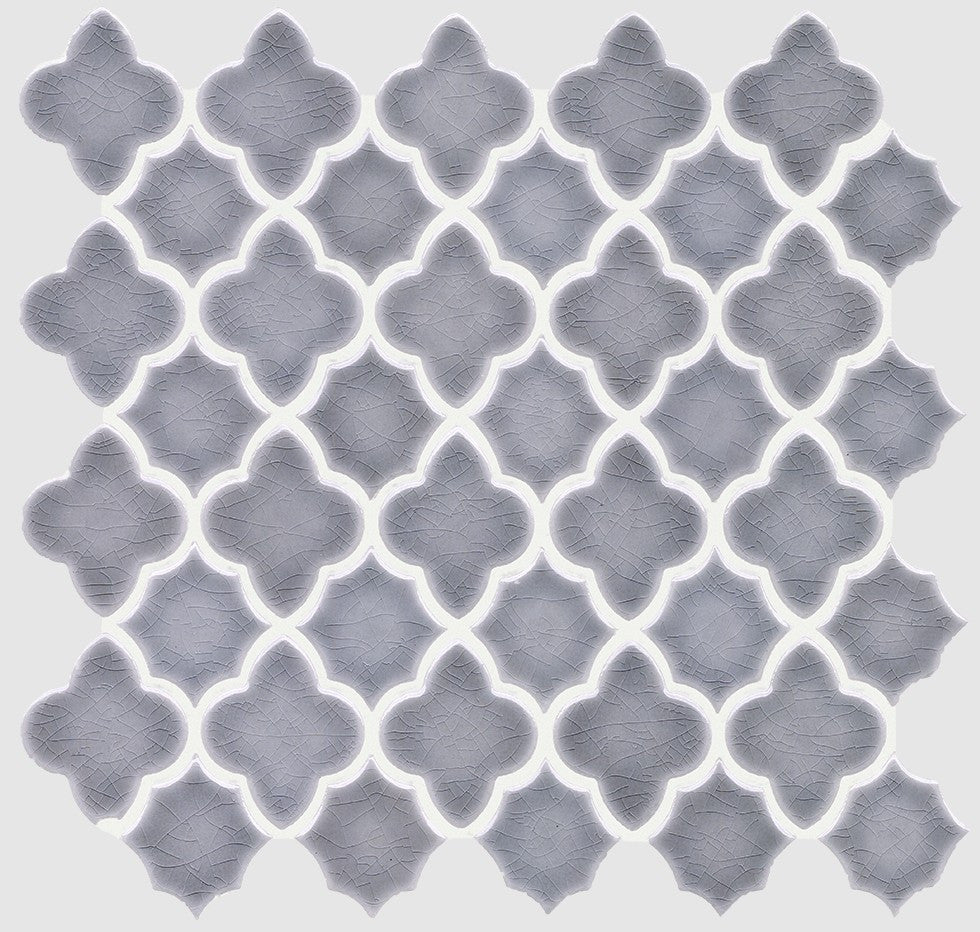
Chateau Amara Anchor SSE-830 Gray Crackle Glaze Ceramic Mosaic Tile
Choose your option
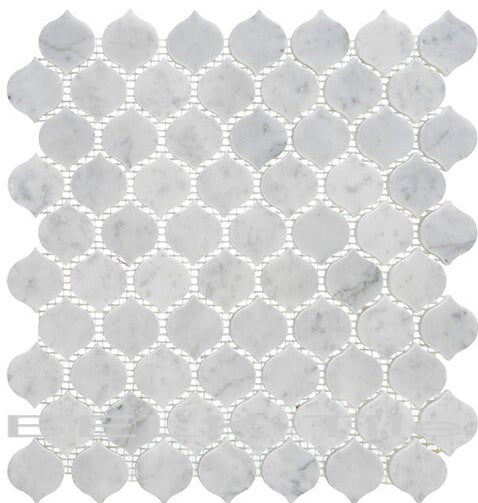
French Baroque Series Chateau Dusk
Choose your option
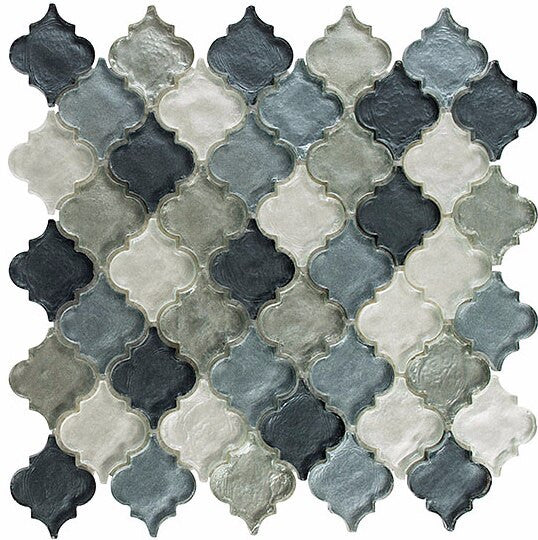
Dentelle Series Waterfall Grey DTL-3006 Arabesque Iridescent Glass Mosaic Tile - Kitchen Backsplash, Shower Wall & Fireplace
Choose your option

Dentelle Series Desert Range Glass Mosaic DTL-3002
Choose your option


Cloud 9 Blue Stratus CLS-08BL
Choose your option


Cloud 9 Silver White Stratus CLS-05SW
Choose your option

Anatolia Arabesque 4501-0478-0 GLOSSY Soft Sage
Choose your option

French Baroque Series Luxemburg Wind FRC-633
Choose your option


Nirvana Bliss Calacatta Gold Polished Marble Arabesque Mosaic | NBO1148
Choose your option


Cloud 9 Gray Stratus CLS-07GR
Choose your option


Cloud 9 Amber Stratus CLS-06AM
Choose your option


Cloud 9 Blue Atlas CLA-12BL
Choose your option

Cloud 9 Grey Atlas CLA-11GR
Choose your option


Cloud 9 Silver White Atlas CLA-09SW
Choose your option


Cloud 9 Amber Atlas CLA-10AM Glass Tile
Choose your option


Lagoon Series Arabesque Agate Blue
Choose your option

Anatolia Arabesque 4501-0474-0 GLOSSY Vintage Grey
Choose your option

Anatolia Arabesque 4501-0477-0 GLOSSY Loft Grey
Choose your option

Anatolia Arabesque 4501-0476-0 GLOSSY Halo Grey
Choose your option

Anatolia Arabesque 4501-0475-0 GLOSSY Gallery Grey
Choose your option

Anatolia Arabesque 4501-0479-0 GLOSSY Cloud Blue
Choose your option
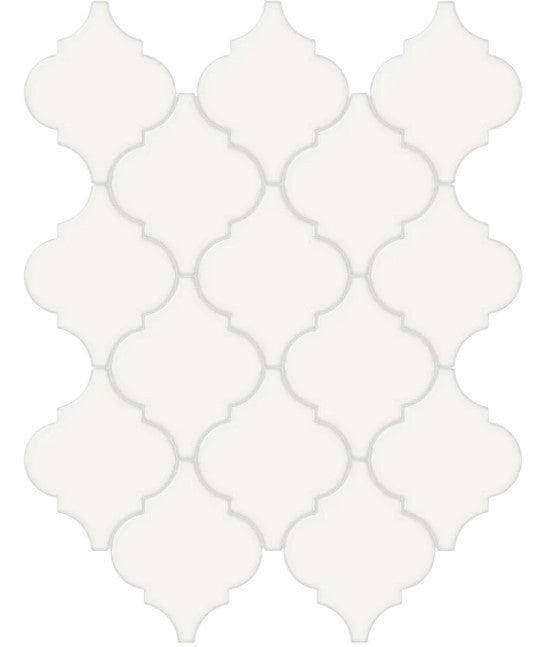
Anatolia Arabesque 4501-0473-0 GLOSSY Canvas White
Choose your option
What Is Arabesque Tile?
Arabesque tile is a decorative tile shape recognized by its flowing curves, pointed arches and lantern-like outline. The pattern draws inspiration from traditional Moroccan and other historic decorative designs, but it works just as well in contemporary kitchens and bathrooms.
Unlike rectangular subway tile or square tile, arabesque creates movement through the shape of each individual piece. When repeated across a wall, the curved outlines form an interlocking pattern that adds detail even when every tile is the same color.
At BELK Tile, our arabesque collection includes glass, ceramic, porcelain and marble designs. These materials create noticeably different results, from colorful reflective mosaics to more understated natural stone installations.
Written by Mike Belk, Tile Expert at BELK Tile.
Why Choose Arabesque Mosaic Tile?
Arabesque is one of those shapes that can make a relatively simple backsplash feel thoughtfully designed.
The shape itself supplies the pattern, so you do not necessarily need multiple colors, decorative borders or elaborate layouts. A single-color arabesque mosaic can create an interesting surface through its repeated curves and grout joints alone.
Arabesque mosaics are also available in different materials, sizes and finishes. This flexibility allows the same basic geometry to work in traditional, transitional, coastal and contemporary interiors.
Arabesque Tile Materials
Glass Arabesque Tile
Glass arabesque tile is especially appealing when you want color and light reflection to become part of the design.
BELK Tile carries glass arabesque mosaics in blue, gray, silver-white and other decorative finishes. Some feature iridescent surfaces that change appearance as the viewing angle and lighting shift.
Glass arabesque is an attractive choice for kitchen backsplashes, bathroom walls and decorative accents. Because glass installation requirements can vary, always check the manufacturer's recommendations for setting materials, cutting and approved applications.
Explore additional Glass Mosaic Tile.
Ceramic Arabesque Tile
Ceramic arabesque tile combines decorative geometry with the familiar character of glazed ceramic.
Depending on the product, ceramic finishes can create a clean, polished appearance or a softer handcrafted-inspired look. The curved shape works particularly well on backsplashes and bathroom feature walls where the pattern can be appreciated up close.
Ceramic arabesque should not automatically be considered floor-rated. Verify the intended application for each product before ordering.
Porcelain Arabesque Tile
Porcelain arabesque tile offers another way to introduce the lantern-shaped pattern.
BELK Tile's collection includes porcelain arabesque designs in colors such as soft sage, blue, white and several gray tones. These can be especially useful when you want a decorative shape with a relatively consistent color palette.
Although porcelain is commonly associated with durability, the material alone does not establish whether a specific decorative arabesque tile is suitable for floors, showers or exterior installations.
Always confirm the manufacturer's application ratings.
Marble Arabesque Tile
Marble arabesque tile combines the decorative lantern shape with natural stone veining.
White and Calacatta-inspired marble designs can create an elegant backsplash or bathroom accent while allowing the natural differences between individual pieces to become part of the finished installation.
Natural marble requires different care than glass or glazed ceramic. Depending on the stone and application, sealing and stone-compatible cleaning products may be recommended.
Browse additional Marble Mosaic Tile.
Arabesque Kitchen Backsplash Tile
A kitchen backsplash is one of my preferred places to use arabesque tile because the pattern adds visual interest without requiring a large installation area.
The curved shape provides a contrast to the straight lines of countertops, cabinets and appliances. This balance is especially effective in kitchens where the surrounding finishes are relatively simple.
White arabesque tile can create a bright, traditional appearance. Blue glass adds color, gray offers a quieter neutral direction, and iridescent mosaics introduce more reflection.
When choosing a backsplash, consider the countertop first. If it has dramatic veining or a strong pattern, a quieter arabesque color may create better balance.
Explore more Kitchen Backsplash Tile.
Arabesque Tile for Bathroom Walls
Arabesque tile works well in bathrooms because its flowing shape can soften a room dominated by straight architectural lines.
A vanity backsplash, decorative wall or recessed feature can be enough to introduce the pattern. For a larger bathroom, an entire arabesque accent wall can create a more substantial design statement.
Glass mosaics may create a brighter, more reflective surface, while marble offers a more natural appearance. Ceramic and porcelain provide additional options depending on the finish and desired style.
Choose the material and color based on the overall bathroom design rather than the shape alone.
Can Arabesque Tile Be Used on Shower Walls?
Many arabesque products are suitable for approved shower-wall applications.
The repeated curves can create an attractive shower feature wall, particularly when the tile is paired with simpler surrounding field tile. Arabesque can also be used as a decorative accent inside a shower niche when the product is approved for that environment.
Remember that shower tile and grout are not substitutes for waterproofing. The shower assembly must include an appropriate waterproofing system behind the finished tile.
Always verify the individual product's shower-wall rating and installation requirements.
Browse additional Shower Wall Tile.
Can Arabesque Tile Be Used on Floors?
Some arabesque products may be suitable for floors, but many decorative designs are intended primarily for walls.
Floor applications require consideration of traffic, wear resistance and, where applicable, wet-surface slip resistance. A tile that looks attractive on a shower wall should not automatically be used on a shower floor.
Check the specific product's approved applications before purchasing arabesque tile for any walking surface.
Arabesque Tile for Fireplace Surrounds
Arabesque tile can create an attractive fireplace surround by introducing a decorative pattern without relying on a printed design.
Marble arabesque can complement traditional mantels and stone finishes, while glass or glazed ceramic may provide a more colorful appearance.
For contemporary interiors, a neutral arabesque design can add just enough movement to prevent the fireplace from appearing overly plain.
Fireplace installation requirements depend on the appliance and location. Confirm that the selected tile and installation materials are appropriate for the temperatures and clearances involved.
Popular Arabesque Tile Colors
White Arabesque Tile
White arabesque tile emphasizes the outline of the pattern while keeping the overall surface light.
It works well with natural wood cabinetry, marble-look countertops, brushed nickel fixtures and many other finishes. White is also a useful choice when you want a decorative shape without introducing another strong color into the room.
Blue Arabesque Tile
Blue arabesque mosaics can create a coastal or Mediterranean-inspired appearance.
Lighter blues can feel relaxed and airy, while deeper blues introduce stronger contrast. Glass finishes may add reflection and tonal movement, especially when the product includes iridescent elements.
Gray Arabesque Tile
Gray arabesque tile provides a neutral option with more contrast than white.
Depending on the finish, it can work with contemporary, transitional or traditional interiors. Gray glass and porcelain arabesque designs can also coordinate with white cabinetry, black fixtures and natural stone surfaces.
Green Arabesque Tile
Green arabesque tile brings a nature-inspired direction to the collection.
Soft sage and muted green finishes can coordinate with wood, warm whites and stone textures. The decorative shape adds interest while the softer color helps keep the wall from becoming too visually busy.
Iridescent Arabesque Tile
Iridescent arabesque mosaics add another layer of visual movement through their reflective finish.
As light changes, the surface can reveal different colors and highlights. This makes iridescent glass especially interesting on backsplashes and accent walls where natural and artificial lighting vary throughout the day.
Explore Iridescent Glass Tile for additional finishes.
Arabesque Tile vs. Subway Tile
Arabesque and subway tile can work in many of the same rooms, but they create very different visual effects.
Subway tile relies on rectangular geometry and the selected installation layout. Arabesque introduces curves and a decorative outline before the layout is even considered.
If you want a quieter background, subway tile may be the better option. If you want the tile shape itself to become a design feature, arabesque is worth considering.
The two can also work together. For example, a simple subway field tile can surround a smaller arabesque accent area.
Arabesque Tile vs. Moroccan Zellige Tile
Arabesque describes a decorative shape, while Zellige refers to a traditional Moroccan tile-making craft.
An arabesque mosaic can be manufactured from glass, ceramic, porcelain or stone. Authentic Zellige is handmade ceramic tile known for its individual surface and edge variations.
Some Zellige-inspired tiles may have decorative shapes, but the terms are not interchangeable.
If you like handcrafted-looking surfaces, compare arabesque with other artisan-inspired ceramic designs before making your final selection.
Choosing Grout for Arabesque Tile
Grout color has a significant influence on the appearance of arabesque mosaics.
A grout color close to the tile creates a softer, more continuous surface. This allows the curves to remain visible without outlining every piece too strongly.
Contrasting grout emphasizes the lantern-shaped geometry and can make the pattern more pronounced.
For example, white arabesque with white grout creates a quieter look, while white arabesque with darker grout highlights the repeating outlines.
There is no universally correct choice. Consider whether you want the material or the geometry to receive the most attention.
Follow the manufacturer's recommendations for grout type and joint width.
Installing Arabesque Mosaic Tile
Many arabesque mosaics are supplied on mesh-mounted sheets, although mounting methods vary by product.
The irregular outline requires careful planning at countertops, cabinets, corners and other termination points. Dry-laying several sheets can help identify how the pattern will align and where cuts will occur.
Check sheet spacing before installation so the joints between sheets do not become more noticeable than the joints within each sheet.
Glass, porcelain, ceramic and marble can also require different cutting tools and setting materials. Follow the installation instructions for the selected product rather than assuming every arabesque mosaic installs the same way.
How to Clean and Maintain Arabesque Tile
Maintenance depends primarily on the material and finish.
Glazed ceramic and porcelain are generally straightforward to clean with compatible nonabrasive products. Glass mosaics should be cleaned with products approved for their finish to avoid damage or residue.
Natural marble requires particular care because acidic or abrasive cleaners may affect the stone surface. Sealing may also be appropriate depending on the material and application.
Regardless of the material, regular cleaning helps keep the grout joints and curved edges looking their best.
Choosing the Right Arabesque Tile for Your Project
Start with the installation location.
For a kitchen backsplash, you have considerable flexibility in decorative materials and finishes. For shower walls, choose a product approved for wet-wall applications. For floors, verify the specific floor-use rating and any applicable slip-resistance requirements.
Next, decide how much visual activity you want. A neutral marble or porcelain arabesque can create a quieter background, while blue or iridescent glass makes a stronger decorative statement.
Finally, compare samples with your actual countertop, cabinetry, fixtures and lighting. Arabesque tile often looks different as a full repeating pattern than it does as one individual piece.
Shop Arabesque Tile at BELK Tile
BELK Tile offers arabesque mosaics for homeowners and designers who want decorative geometry with lasting visual appeal.
Explore glass arabesque mosaics with colorful and iridescent finishes, porcelain designs in versatile neutrals, ceramic options and natural marble patterns.
Whether you are planning a kitchen backsplash, bathroom feature wall or decorative fireplace surround, the arabesque shape creates movement without requiring multiple patterns or materials.
For additional geometric designs, explore Mosaic Tile or browse Shop Tile by Shape.


