
What Is Wood-Look Tile? Complete Overview
Posted by Mike Belk on Dec 10, 2025
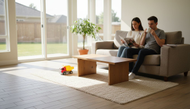
Over 60 percent of American homeowners now consider wood-look tile when updating their floors, recognizing its unique blend of beauty and resilience. The timeless warmth of wood remains popular, yet many seek a solution that stands up to kids, pets, and moisture. This guide uncovers the real advantages of wood-look tile, uncovers common myths, and reveals how this innovative flooring is transforming both homes and commercial spaces across the United States.
Table of Contents
- Defining Wood-Look Tile and Common Myths
- Types of Wood-Look Tile Materials and Finishes
- Key Features and Benefits of Wood-Look Tile
- Applications for Homes and Commercial Spaces
- Cost, Installation, and Maintenance Considerations
- Comparing Wood-Look Tile to Real Hardwood
Key Takeaways
| Point | Details |
|---|---|
| Durable and Moisture-Resistant | Wood-look tiles are ideal for high-moisture areas, offering water resistance that natural wood cannot match. |
| Versatile Applications | Suitable for both residential and commercial spaces, these tiles cater to various design styles and needs. |
| Economic Advantage | Lower long-term maintenance costs and resistance to wear make wood-look tiles a financially smart choice over traditional hardwood. |
| Modern Aesthetic | Advanced manufacturing techniques allow wood-look tiles to replicate the appearance of natural hardwood with remarkable realism. |
Defining Wood-Look Tile and Common Myths
Wood-look tile represents an innovative flooring solution that mimics the aesthetic of natural hardwood while offering superior durability and performance. Unlike traditional wood flooring, these ceramic or porcelain tiles are engineered to replicate wood grain patterns, colors, and textures with remarkable precision. Wood look tile flooring provides homeowners a practical alternative that combines the warmth of wood with the resilience of tile.
Consumer Reports highlights that wood-look tiles offer exceptional advantages, particularly in high-traffic areas and spaces prone to moisture. These tiles are significantly more water-resistant than natural wood, making them ideal for bathrooms, kitchens, and areas with potential liquid exposure. The manufacturing process involves advanced printing technologies that create incredibly realistic wood grain patterns, challenging traditional perceptions about tile’s appearance.
Several common myths persist about wood-look tiles that deserve clarification. Many people believe these tiles look artificial or lack the warmth of genuine wood. However, modern manufacturing techniques have dramatically improved tile aesthetics. Transforming spaces with wood-look porcelain tiles demonstrates how contemporary tiles can be virtually indistinguishable from real hardwood. Key misconceptions include:
- Myth: Wood-look tiles feel cold and uncomfortable
- Reality: Modern tiles can be installed with radiant heating systems, providing warmth and comfort
- Myth: Installation is complex and expensive
- Reality: Professional installers can efficiently place these tiles with minimal disruption
The versatility of wood-look tiles extends beyond residential spaces. Commercial environments increasingly adopt these tiles for their durability, low maintenance requirements, and design flexibility. By combining the aesthetic appeal of wood with the practical benefits of ceramic and porcelain materials, wood-look tiles represent a sophisticated flooring solution for discerning property owners seeking style and functionality.
Types of Wood-Look Tile Materials and Finishes
Wood-look tiles come in a variety of materials and finishes, offering homeowners unprecedented design flexibility and performance options. Wood look tile flooring has evolved significantly, with manufacturers developing sophisticated techniques to replicate natural wood’s aesthetic and texture through different material compositions.
Ceramic and porcelain remain the primary materials for wood-look tiles, each offering unique characteristics. Ceramic tiles typically feature a more affordable price point and lighter weight, making them suitable for residential spaces with moderate foot traffic. Porcelain tiles, by contrast, provide superior durability and moisture resistance, making them ideal for commercial environments and areas with high humidity. Resilient tile technologies have advanced to create incredibly realistic wood grain patterns and textures that challenge traditional perceptions of tile flooring.
Finishes play a crucial role in the visual and tactile experience of wood-look tiles. Modern manufacturing processes offer an impressive range of options:
- Matte Finish: Provides a soft, understated look mimicking natural wood’s organic appearance
- Glossy Finish: Offers a more polished and reflective surface, ideal for contemporary spaces
- Textured Finish: Replicates wood grain patterns with embossed surfaces that feel remarkably similar to genuine hardwood
- Distressed Finish: Creates an aged, weathered aesthetic perfect for rustic or vintage design schemes
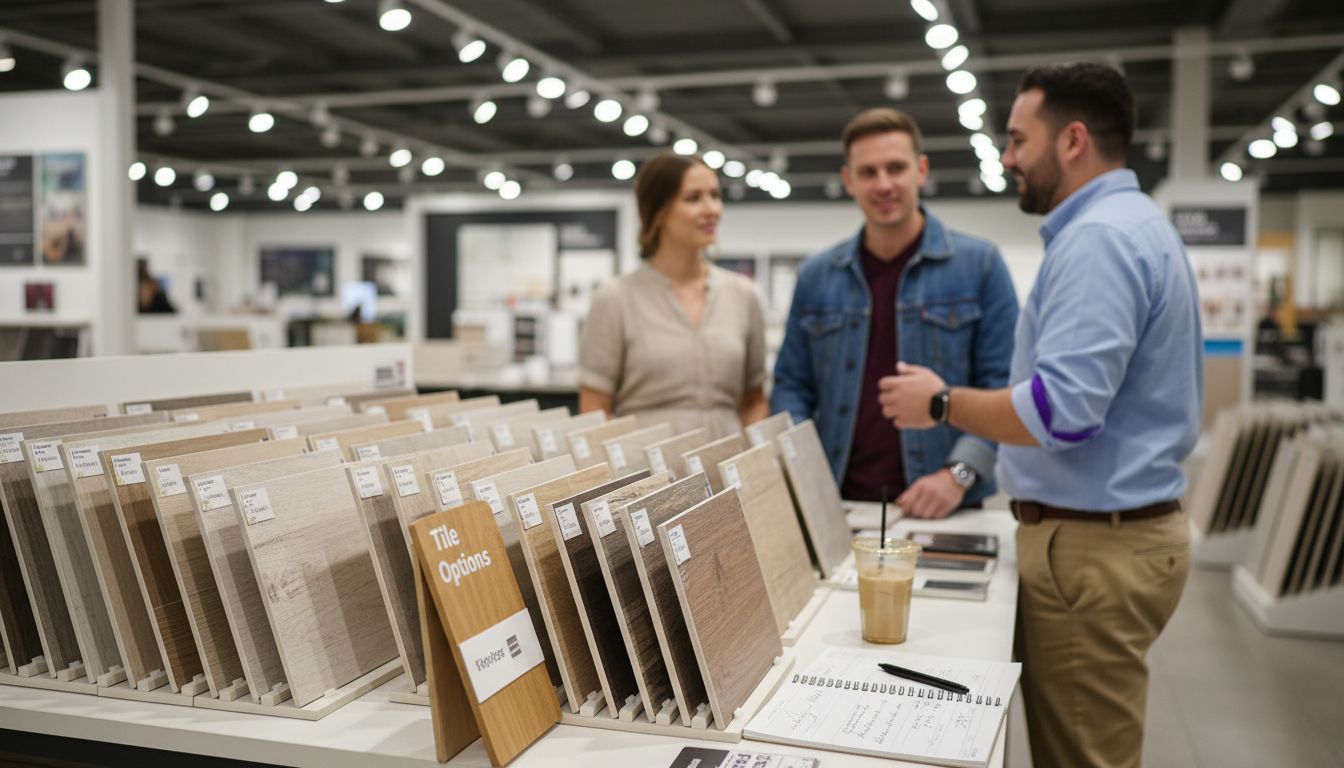
The American Architectural Foundation highlights that wood-look tiles now range from pale birch tones to rich walnut hues, allowing designers and homeowners unprecedented creative freedom. These tiles can seamlessly integrate into various design aesthetics, from minimalist modern to traditional farmhouse styles, making them a versatile flooring solution for almost any interior environment.
Key Features and Benefits of Wood-Look Tile
Wood-look tiles offer an exceptional combination of aesthetic appeal and practical performance that sets them apart from traditional flooring options. 5 Reasons Wood Look Tiles Outshine Natural Wood reveal the transformative potential of these innovative flooring solutions that blend style with unparalleled functionality.
Consumer Reports highlights several key features that make wood-look tiles an outstanding choice for modern spaces. These tiles demonstrate remarkable durability, with exceptional resistance to water, scratches, and heavy foot traffic. Unlike natural wood, they maintain their appearance and structural integrity in challenging environments such as bathrooms, kitchens, and commercial spaces. The advanced manufacturing techniques create slip-resistant surfaces that remain safe even when wet, addressing one of the primary concerns with traditional flooring materials.
The key benefits of wood-look tiles extend far beyond basic functionality:
-
Moisture Resistance: Ideal for areas prone to spills and humidity
-
Durability: Withstands heavy foot traffic without showing significant wear
- Resists scratches and dents
- Maintains color and finish over time
-
Low Maintenance: Easy to clean and requires minimal upkeep
-
Versatility: Suitable for both residential and commercial spaces
FEMA’s Technical Bulletin 2 further validates the exceptional durability of ceramic and porcelain tiles, classifying them as flood damage-resistant materials. This classification underscores their reliability in challenging environmental conditions, making wood-look tiles an intelligent choice for homeowners seeking both aesthetic appeal and long-term performance. The ability to replicate wood’s natural beauty while offering superior practical advantages positions these tiles as a revolutionary flooring solution for modern design-conscious spaces.
Applications for Homes and Commercial Spaces
Wood-look tiles represent a versatile flooring solution that seamlessly adapts to both residential and commercial environments, offering designers and property owners unprecedented flexibility. 5 Reasons Wood Look Tiles Outshine Natural Wood demonstrate the transformative potential of these innovative materials across diverse settings.
Consumer Reports highlights the extensive range of applications for wood-look tiles, emphasizing their effectiveness in multiple home and commercial spaces. In residential settings, these tiles excel in high-moisture areas like bathrooms, kitchens, and mudrooms, where traditional hardwood would struggle. Their water-resistant properties make them particularly valuable in spaces prone to spills and humidity, providing homeowners with a durable and aesthetically pleasing flooring solution.
The specific applications for wood-look tiles span multiple environments:
Residential Applications:
- Kitchen Flooring: Withstands heavy foot traffic and frequent cleaning
- Bathroom Spaces: Moisture-resistant and slip-resistant
- Mudrooms: Handles dirt, moisture, and constant wear
- Living Areas: Creates warm, inviting aesthetics
Commercial Applications:
- Retail Spaces: Durable and visually appealing
- Office Environments: Professional look with minimal maintenance
- Hospitality Settings: Handles high traffic with elegance
- Healthcare Facilities: Easy to clean and sanitize
The American Architectural Foundation emphasizes the design versatility of wood-look tiles, particularly in modern bathroom designs. Their ability to mimic natural wood while providing superior durability makes them an intelligent choice for architects and designers seeking both aesthetic appeal and practical performance. From sleek modern offices to rustic residential spaces, wood-look tiles offer a transformative flooring solution that bridges the gap between style and functionality.
Cost, Installation, and Maintenance Considerations
Wood-look tiles represent a sophisticated flooring solution that balances aesthetic appeal with practical financial considerations. 5 Reasons Wood Look Tiles Outshine Natural Wood highlight the economic advantages of these innovative materials compared to traditional hardwood flooring.
The Provincetown Independent reveals that tile pricing varies significantly based on image processing quality and manufacturing techniques. Higher-end wood-look tiles with more realistic grain patterns and advanced printing technologies typically command premium prices. Installation costs can fluctuate depending on several key factors:
Cost Considerations:
- Tile Quality: Price ranges from $2 to $25 per square foot
- Installation Complexity: Labor costs vary based on:
- Room size
- Tile dimensions
- Subfloor preparation
- Additional Expenses:
- Underlayment
- Grout
- Specialized tools
Installation Insights:
- Professional installation recommended
- Requires precise subfloor preparation
- Tile size impacts labor time and complexity
Consumer Reports emphasizes the low-maintenance nature of wood-look tiles, which significantly reduces long-term ownership costs. These tiles resist scratches, stains, and everyday wear, eliminating the need for frequent refinishing or specialized treatments required by traditional hardwood. Routine maintenance typically involves simple sweeping and occasional mopping, making wood-look tiles an economically smart flooring solution that combines durability with aesthetic sophistication.
Comparing Wood-Look Tile to Real Hardwood
Wood-look tiles and traditional hardwood flooring represent two distinctly different approaches to creating warm, inviting interior spaces. 5 Reasons Wood Look Tiles Outshine Natural Wood illustrate the evolving landscape of flooring technologies that challenge conventional design expectations.
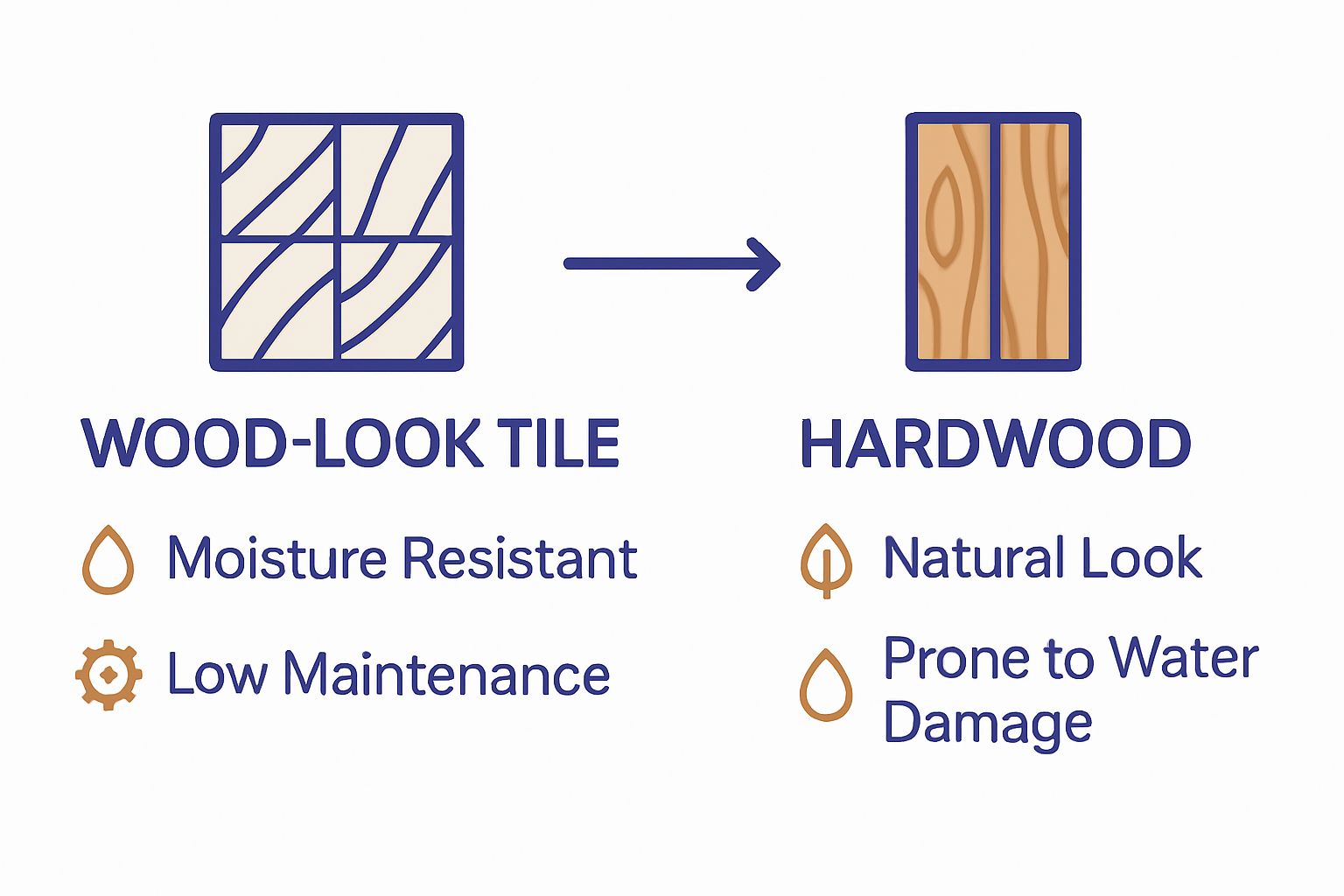
Consumer Reports provides a comprehensive comparison that reveals significant advantages of wood-look tiles over traditional hardwood. Unlike natural wood, these innovative tiles offer exceptional durability, complete water resistance, and dramatically reduced maintenance requirements. The performance differences become especially pronounced in high-moisture environments like bathrooms, kitchens, and entryways where hardwood would quickly deteriorate.
Key comparative factors include:
Durability and Performance:
-
Wood-Look Tile:
- 100% water-resistant
- Scratch and stain resistant
- Uniform appearance over time
- Lower long-term maintenance costs
-
Real Hardwood:
- Susceptible to water damage
- Requires periodic refinishing
- Can warp or buckle with moisture exposure
- Higher maintenance expenses
The Provincetown Independent notes that wood-look tiles do present some thermal challenges, typically feeling cooler underfoot compared to natural wood. Homeowners can mitigate this through radiant heating systems or strategic area rug placement. While hardwood offers inherent warmth and a traditional aesthetic, wood-look tiles provide a modern, practical alternative that balances style, durability, and long-term value for discerning property owners.
Discover the Ideal Wood-Look Tile Solution for Your Space
Choosing the right wood-look tile can feel overwhelming when balancing durability, style, and comfort. This article highlights key challenges such as finding tiles that resist moisture, wear, and maintain warmth without sacrificing natural wood’s beauty. If you want a flooring option that combines stunning wood grain effects with the practicality of porcelain or ceramic, the search ends here.
At BELK Tile, we offer an extensive selection of high-quality wood-look tiles tailored for both residential and commercial applications. Our tiles address concerns like water resistance, scratch protection, and low maintenance while delivering the warmth and texture you desire. Explore our carefully curated product range designed to transform kitchens, bathrooms, living spaces, and professional environments with lasting elegance and ease.
Ready to elevate your flooring now with stylish and durable wood-look tile? Visit BELK Tile to browse exclusive options and discover how our expertly crafted tiles can solve your challenges today. With our user-friendly platform, inspiration guides, and seamless shopping experience, the perfect wood-look tile is just a few clicks away.
Frequently Asked Questions
What are wood-look tiles made of?
Wood-look tiles are primarily made from ceramic or porcelain, which are designed to replicate the appearance of natural wood with high precision.
What are the advantages of choosing wood-look tile over natural wood?
Wood-look tiles offer exceptional durability, water resistance, and low maintenance compared to natural wood, making them ideal for high-moisture areas and high-traffic environments.
Can wood-look tiles be used in bathrooms and kitchens?
Yes, wood-look tiles are highly water-resistant, making them suitable for humid environments such as bathrooms and kitchens, where traditional hardwood may struggle.
How should I maintain wood-look tile flooring?
Wood-look tiles require minimal maintenance. Routine care typically involves sweeping and occasional mopping, and they resist scratches and stains, unlike natural wood flooring.
Recommended