
What Is Pebble Tile? Complete Overview and Uses
Posted by Mike Belk on Dec 18, 2025

Over 60 percent of american designers report that natural materials inspire their most successful interior spaces. Pebble tile stands out as a favorite for those seeking a blend of artistic expression and long-lasting function. Many people overlook how versatile and sturdy these natural stone surfaces can be, dismissing them as just decorative. This guide clears up the confusion, showcasing what sets pebble tile apart and how it suits both home and commercial environments.
Table of Contents
- Defining Pebble Tile And Common Misconceptions
- Types Of Pebble Tiles And Variations
- How Pebble Tile Is Made And Installed
- Popular Applications In Home And Business
- Key Benefits, Limitations, And Maintenance Tips
- Comparing Pebble Tile To Other Tile Options
Key Takeaways
| Point | Details |
|---|---|
| Durability and Maintenance | Properly sealed and installed pebble tiles offer high durability and are suitable for high foot traffic areas, making regular cleaning and sealing essential. |
| Design Versatility | Pebble tiles come in a variety of colors and textures, allowing integration into diverse designs, from rustic to modern. |
| Applications | Ideal for moisture-prone areas, pebble tiles are commonly used in bathrooms, outdoor patios, and commercial spaces, enhancing both aesthetics and functionality. |
| Comparison with Traditional Tiles | Unlike standard tiles, pebble tiles provide natural slip resistance and drainage, but require more maintenance and careful installation. |
Defining Pebble Tile and Common Misconceptions
Pebble tile represents a unique flooring and surface covering solution crafted from natural stone elements carefully arranged to create a textured, organic aesthetic. These tiles are typically composed of smooth river stones or beach pebbles that have been meticulously collected, sorted, and mounted onto mesh backing, allowing for seamless installation across various residential and commercial spaces.
Contrary to common misconceptions, pebble tiles are not just decorative accessories but highly functional surface materials. Homeowners and designers often mistakenly believe these tiles are fragile or challenging to maintain. However, when properly sealed and installed, pebble tiles offer remarkable durability and can withstand significant foot traffic. Their naturally slip-resistant surface makes them excellent choices for areas exposed to moisture, such as shower floors and poolside spaces.
The versatility of pebble tiles extends far beyond traditional applications. While many assume they are limited to rustic or natural design schemes, modern manufacturing techniques have expanded their design potential dramatically. Pebble tiles now come in various color palettes - from earthy neutrals to bold contemporary tones - enabling designers to integrate them into minimalist, industrial, and even ultra-modern interior environments. These tiles can transform spaces by adding visual depth, tactile interest, and a connection to natural materials that synthetic alternatives cannot replicate.
Key characteristics that distinguish pebble tiles include their unique textural qualities, natural stone composition, and adaptability across different design contexts. Whether used as bathroom flooring, outdoor pathway material, or accent wall covering, these tiles provide a distinctive aesthetic that bridges the gap between functional surface and artistic design element.
Types of Pebble Tiles and Variations
Pebble tiles showcase remarkable diversity, ranging from river rock compositions to polished beach stone collections. These natural stone tiles are categorized primarily by their origin, stone type, color palette, and installation method. Manufacturers typically source stones from specific geological regions, ensuring each tile collection maintains unique textural and visual characteristics that appeal to different design aesthetics.
The primary variations of pebble tiles include river rock, beach pebble, and polished stone collections. River rock tiles often feature irregularly shaped stones with rugged textures, ideal for creating rustic or naturalistic environments. Beach pebble tiles, in contrast, typically present smoother, more uniform stones with rounded edges, perfect for contemporary design applications like penny round tile layouts. Polished stone variations offer a more refined appearance, with stones carefully selected and treated to provide a sleek, sophisticated surface finish.
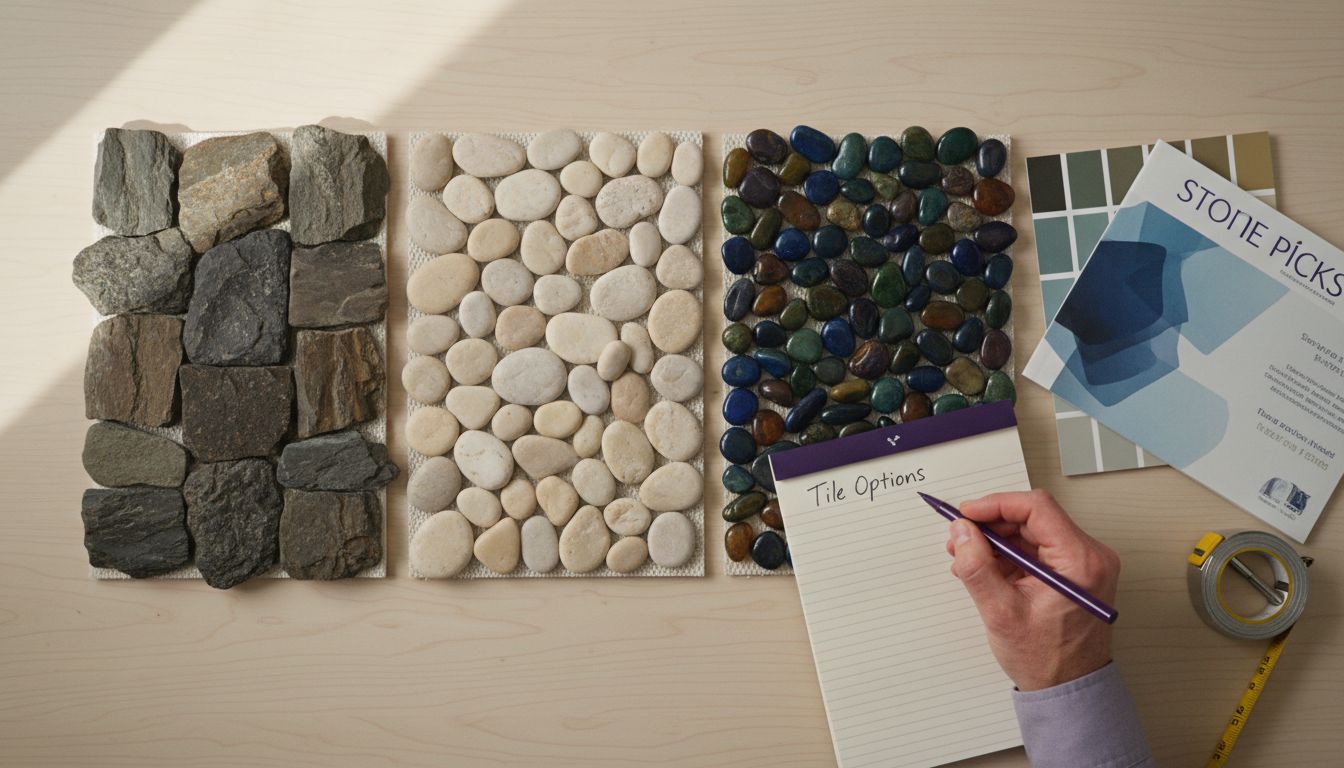
Color variations represent another critical aspect of pebble tile diversity. Designers can select from an extensive range of natural stone hues including earthy browns, cool grays, warm terracottas, and crisp white tones. Some advanced manufacturing techniques even allow for color-blended collections that combine multiple stone shades within a single tile, creating intricate visual landscapes that can complement various interior design themes. These color variations enable architects and homeowners to integrate pebble tiles seamlessly into diverse design contexts, from minimalist bathrooms to elaborate outdoor landscapes.
Beyond aesthetic variations, pebble tiles also differ in their mounting techniques. Some tiles utilize mesh backing for straightforward installation, while others employ interlocking stone arrangements or specialized mounting systems that allow for more complex design implementations. The mounting technique significantly influences the tile’s final appearance, structural integrity, and potential application areas, making it a crucial consideration for design professionals seeking to incorporate these unique surface materials.
How Pebble Tile Is Made and Installed
Pebble tile manufacturing represents a sophisticated process that transforms natural stones into elegant surface coverings. The journey begins with careful stone selection, where manufacturers meticulously collect river rocks, beach pebbles, and other natural stone elements from specific geological regions. These stones undergo rigorous sorting, cleaning, and grading to ensure uniform quality, color consistency, and structural integrity before the tile creation process begins.
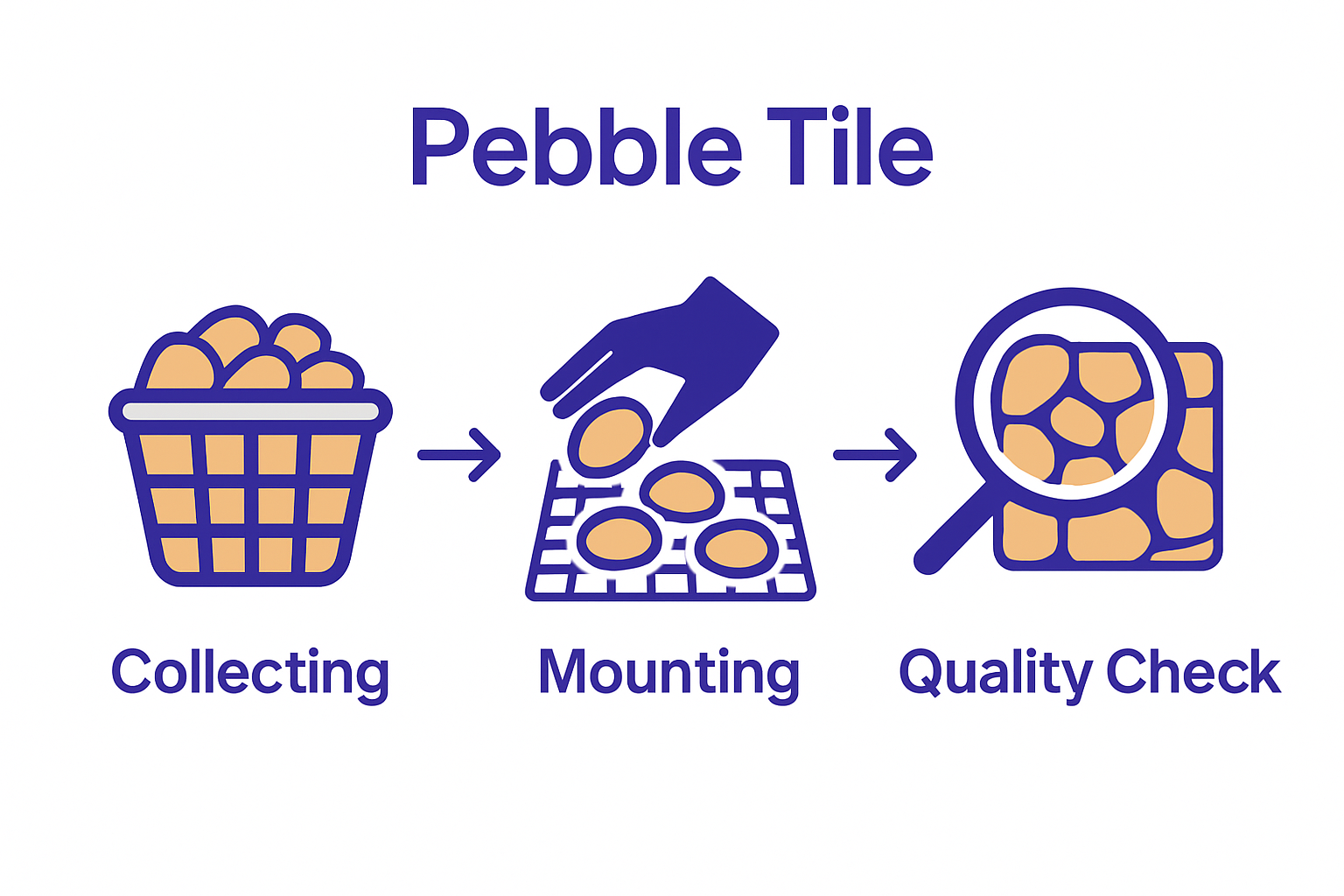
The primary manufacturing technique involves mounting selected stones onto flexible mesh backing, which enables seamless installation and consistent tile formation. Stones are carefully arranged by hand or through specialized machinery to create intricate patterns and maintain visual harmony. Installation processes for specialty tiles require precision and expertise, with professionals paying close attention to stone placement, alignment, and secure mounting to guarantee long-term durability and aesthetic appeal.
Multiple mounting techniques distinguish pebble tile production. Some manufacturers utilize uniform mesh backing that allows for tight stone clustering, while others create more expansive, spread-out designs that showcase individual stone characteristics. Advanced production methods include additional treatments like stone polishing, color enhancement, and protective sealing. These treatments not only improve the tile’s visual appearance but also enhance its resistance to moisture, staining, and wear, making pebble tiles suitable for diverse environments from bathroom floors to outdoor walkways.
The final stages of pebble tile production involve comprehensive quality control measures. Manufacturers inspect each tile for consistent stone distribution, secure attachment, and overall structural quality. Specialized sealants are applied to protect the natural stone, enhance color vibrancy, and create a water-resistant surface that can withstand regular use and environmental challenges. This meticulous approach ensures that each pebble tile not only looks beautiful but also provides exceptional performance across various residential and commercial applications.
Popular Applications in Home and Business
Pebble tiles demonstrate extraordinary versatility, bridging aesthetic appeal with functional design across residential and commercial environments. Their natural texture and durability make them an exceptional choice for multiple applications, transforming ordinary spaces into visually striking landscapes that connect architectural design with organic elements. From intimate home settings to expansive commercial spaces, these unique tiles offer designers and property owners remarkable design flexibility.
In residential settings, pebble tiles excel in moisture-prone areas that demand both style and performance. Bathrooms, shower floors, and spa environments benefit tremendously from their slip-resistant surface and water-tolerant characteristics. Specialized tile installation techniques ensure seamless integration in areas requiring precision and aesthetic sophistication. Homeowners frequently incorporate pebble tiles in entryways, kitchen backsplashes, and outdoor patios, leveraging their ability to create textural transitions between indoor and exterior spaces.
Commercial applications showcase pebble tiles’ remarkable adaptability across diverse environments. Hospitality spaces like hotel lobbies, restaurant exteriors, and wellness centers utilize these tiles to create immersive, naturalistic experiences. Retail environments and corporate lobbies leverage pebble tiles to establish unique visual identities, using their organic patterns to communicate brand aesthetics and create memorable spatial experiences. Healthcare facilities and educational institutions also appreciate pebble tiles for their durability, low maintenance requirements, and ability to withstand high-traffic conditions.
Outdoor and landscape design represent another critical domain where pebble tiles shine. Swimming pool surrounds, garden pathways, and exterior walkways benefit from their natural drainage properties and visual appeal. Their inherent ability to blend seamlessly with surrounding environments makes them an ideal solution for architects and landscape designers seeking to create cohesive, integrated outdoor spaces that feel both sophisticated and organically connected to their natural surroundings.
Key Benefits, Limitations, and Maintenance Tips
Pebble tiles offer a unique combination of aesthetic and functional advantages that make them an attractive option for design-conscious property owners. Their natural stone composition provides exceptional durability, slip resistance, and visual depth that synthetic materials cannot replicate. These tiles create an organic, textural experience that transforms ordinary surfaces into extraordinary design statements, bridging the gap between practical flooring and artistic expression.
The key benefits of pebble tiles include remarkable versatility and performance across diverse environments. Their inherent slip-resistant surface makes them ideal for wet areas, while their natural drainage capabilities prevent water accumulation. Specialty tile installation techniques can further enhance their functional performance. However, potential limitations exist. Pebble tiles can be more challenging to clean thoroughly due to their uneven surface, and they may require more frequent sealing compared to smoother tile options. Initial installation costs can also be higher, and some homeowners find the textured surface less comfortable for barefoot walking.
Maintenance of pebble tiles demands a strategic approach to preserve their beauty and functionality. Homeowners should implement a regular cleaning routine using pH-neutral stone cleaners that protect the natural stone without causing degradation. Periodic resealing every 12 to 18 months helps maintain the tiles’ water resistance and prevents staining. Avoid using harsh chemical cleaners or abrasive tools that could damage the stone’s delicate surface. Prompt cleaning of spills and routine sweeping can significantly extend the tiles’ lifespan and maintain their original aesthetic appeal.
When considering pebble tiles, professionals recommend careful evaluation of specific environmental conditions and intended use. While these tiles excel in many applications, they may not be ideal for areas requiring completely smooth surfaces or spaces with extremely heavy rolling equipment. Consulting with tile installation experts can help property owners make informed decisions about whether pebble tiles represent the optimal flooring solution for their unique spatial requirements and design objectives.
Comparing Pebble Tile to Other Tile Options
Tile selection requires careful consideration of material characteristics, performance requirements, and aesthetic goals. Pebble tiles distinguish themselves through their unique natural stone composition, offering a dramatically different approach compared to traditional ceramic, porcelain, and synthetic tile alternatives. While standard tiles provide uniform surfaces, pebble tiles introduce organic texture, visual complexity, and a direct connection to natural geological formations.
When comparing material properties, pebble tiles demonstrate distinctive advantages and limitations. Ceramic and porcelain tiles offer more consistent surface characteristics, providing smoother installations ideal for high-traffic commercial environments. Pebble tiles, by contrast, excel in applications demanding slip resistance, natural drainage, and a more textural aesthetic. Their inherent variability means they perform exceptionally well in wet environments like pools, shower floors, and outdoor pathways where traditional tiles might become slippery or require additional surface treatments.
Durability and maintenance represent critical factors in tile selection. Standard ceramic and porcelain tiles typically require less intensive maintenance, with smoother surfaces enabling easier cleaning. Pebble tiles demand more strategic maintenance approaches, including periodic sealing and careful cleaning to preserve their natural stone integrity. However, their unique ability to disguise minor wear and provide exceptional traction makes them an attractive option for spaces prioritizing both safety and visual interest. The higher initial installation cost is often offset by their longevity and distinctive aesthetic appeal.
Design flexibility further differentiates pebble tiles from conventional options. Unlike uniform tile materials, pebble tiles offer near-infinite design possibilities, with variations in stone color, size, and arrangement allowing for truly customized surface treatments. Architects and designers can leverage this adaptability to create immersive environments that feel organically connected to natural landscapes, transforming ordinary spaces into extraordinary visual experiences that standard tile options cannot replicate.
Discover the Perfect Pebble Tile Solutions for Your Project
Are you looking to bring the natural beauty and unique texture of pebble tiles into your home or commercial space but hesitate because of concerns about durability, maintenance, or installation? This article highlights how pebble tiles offer exceptional slip resistance, water tolerance, and design versatility, yet also explains the importance of proper sealing and expert installation to maximize performance. At BELK Tile, we understand these challenges and provide a curated selection of high-quality natural stone and specialty tiles that match your style and functional needs.
Explore our extensive collection to find pebble tile options that blend seamlessly with your vision for bathrooms, outdoor pathways, or pool surrounds. Our platform makes it simple to browse by type, color, and application. Get inspired by featured designs that showcase how pebble tiles elevate spaces with both beauty and durability. Don’t wait to transform your environment with tiles that combine organic elegance and lasting performance. Visit BELK Tile now to start exploring. Secure your ideal pebble tile choice today and experience a hassle-free shopping journey with detailed specs, quick views, and expert support.
Ready to create a unique floor or accent wall that stands out? Browse our specialty tile selections designed for demanding spaces. Take the next step to elevate your project with pebble tiles crafted for real life and real style by visiting BELK Tile right now.
Frequently Asked Questions
What are pebble tiles made from?
Pebble tiles are crafted from natural stones, typically smooth river rocks or beach pebbles, that are carefully collected and arranged onto mesh backing for easy installation.
How are pebble tiles installed?
Pebble tiles are installed by securing them onto a suitable surface with adhesive, often utilizing mesh backing to ensure uniformity and facilitate the installation process.
What are the benefits of using pebble tiles in wet areas?
Pebble tiles offer exceptional slip resistance and natural drainage properties, making them ideal for wet areas like shower floors, pool surrounds, and outdoor pathways.
How do pebble tiles compare to ceramic or porcelain tiles?
Unlike ceramic and porcelain tiles which provide uniform surfaces, pebble tiles introduce natural texture and visual complexity, offering advantages in slip resistance and aesthetics while requiring more strategic maintenance.
Recommended