
Transform Your Space with Practical Kitchen Backsplash Ideas
Posted by Mike Belk on Mar 24, 2026
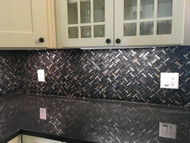
The kitchen is one of the most active rooms in a home. People cook meals, wash dishes, prepare snacks, and gather with family there every day. Because of this constant activity, kitchen walls face frequent splashes from water, oil, and food. A backsplash protects those walls and keeps cleaning simple.
But protection is only one part of the story. Kitchen backsplash and wall tiles also shape the overall look of the kitchen. The right tile design can brighten a dark space, add texture to plain walls, and connect cabinets with countertops. Many homeowners find that updating the backsplash creates a noticeable improvement without a full kitchen remodel.
If you're planning a kitchen refresh, exploring kitchen backsplash ideas is a great place to start. With the right materials, patterns, and colors, a backsplash can become a strong visual feature while still serving a practical purpose.
Table of Contents
- 1. Why Kitchen Backsplash and Wall Tiles Matter?
- 2. Popular Materials for Kitchen Backsplash and Wall Tiles
- 3. Classic Kitchen Backsplash Ideas That Always Work
- 4. Modern Kitchen Backsplash Ideas for a Fresh Look
- 5. Creative Color Ideas for Kitchen Backsplashes
- 6. Ideas For Budget-Friendly Kitchen Backsplash Tiles
- 7. Maintenance Tips for Kitchen Backsplash Tiles
- 8. Final Thoughts
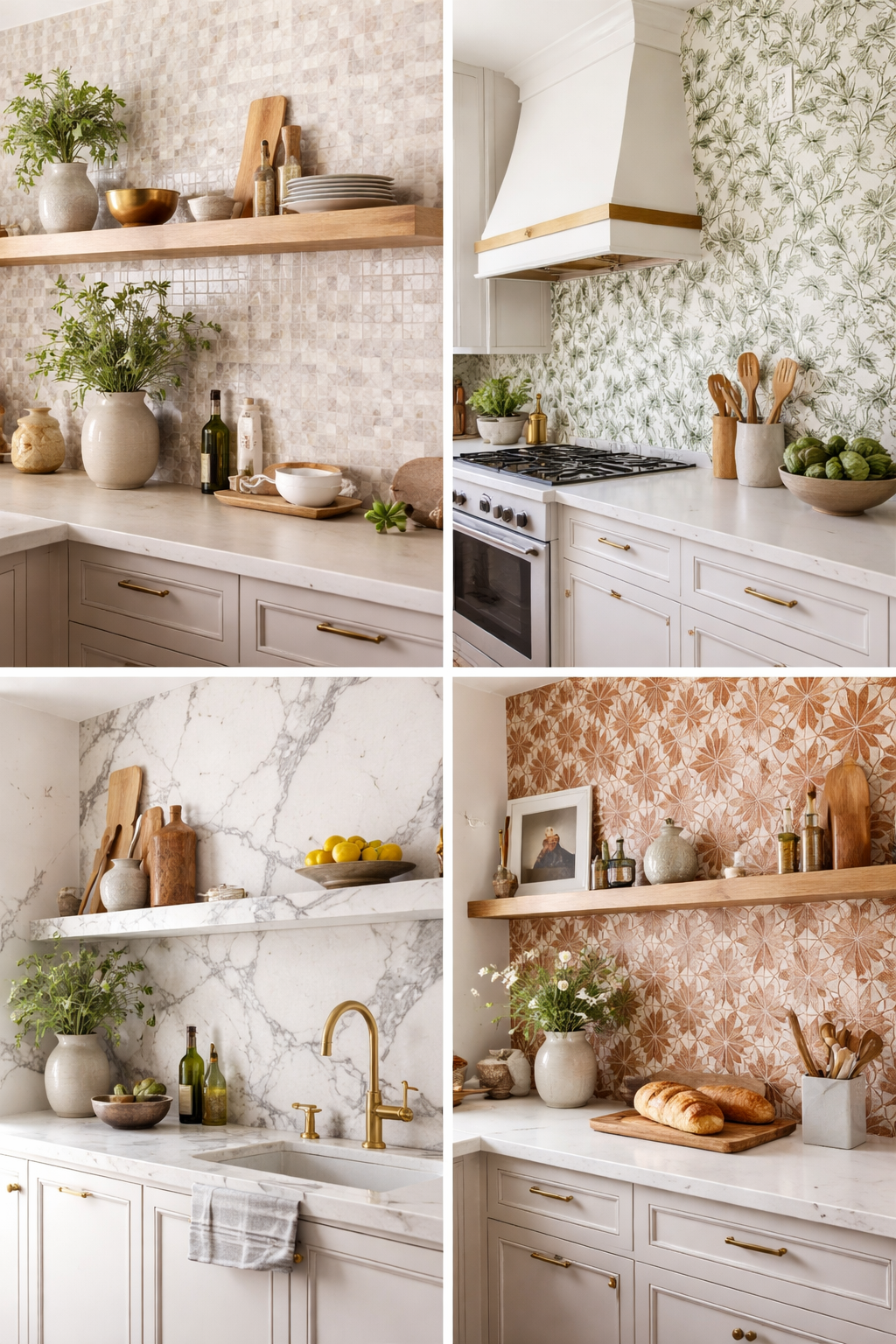
1. Why Kitchen Backsplash and Wall Tiles Matter
The wall space between the countertop and upper cabinets faces constant activity in the kitchen. Cooking often creates splashes from oil, sauces, and water. Over time, these stains can damage painted walls and drywall. A backsplash acts as a protective barrier that helps keep the wall clean and easier to maintain.
Kitchen wall tiles also play an important role in the overall kitchen design. The backsplash sits between cabinets and countertops, so it naturally connects these surfaces. The right tile choice can introduce color, texture, or pattern while keeping the space balanced and practical.
Key reasons homeowners install a kitchen backsplash include:
- Protects walls from water, grease, and food splashes
- Makes everyday cleaning faster and easier
- Adds color, texture, and visual interest to the kitchen
- Helps connect cabinets, countertops, and appliances visually
- Creates a focal point that improves the overall kitchen style
2. Popular Materials for Kitchen Backsplash and Wall Tiles
The material you choose affects both the appearance and maintenance of your kitchen backsplash and wall tiles. Some materials offer a sleek, modern look. Others provide natural texture and variation. Understanding the differences helps you make a practical decision.
Ceramic Tiles
Ceramic tiles remain one of the most common choices for kitchen backsplash and wall tiles. Many homeowners choose them because they are affordable and widely available. Tile stores carry ceramic tiles in many colors, shapes, and finishes, which makes it easier to match different kitchen styles.
Another advantage of ceramic tiles is their durability in everyday kitchen environments. They handle heat, moisture, and cooking splashes without much trouble. That makes them suitable for installation behind stoves, sinks, and food preparation areas.
Cleaning ceramic tiles is also simple. Most grease and food stains wipe away with warm water and mild soap. However, ceramic tiles can chip if something heavy hits the surface. This problem does not happen often, but careful installation and handling help reduce the risk.
Porcelain Tiles
Porcelain tiles look similar to ceramic tiles but offer greater density and strength. Manufacturers create porcelain tiles using refined clay and higher firing temperatures. This process produces a tile that absorbs very little moisture, which improves durability in busy kitchens.
Many porcelain tiles are designed to mimic natural materials such as marble, wood, or stone. This allows homeowners to achieve elegant looks without the higher cost or maintenance of real natural surfaces. Porcelain tiles also resist scratches and stains well.
Because of their durability, porcelain kitchen backsplash and wall tiles can last for many years with minimal maintenance. They are a practical choice for families who cook often and want a surface that remains attractive over time.
Glass Tiles
Glass tiles create a bright and reflective backsplash surface. Light bounces off the glossy finish and spreads across the kitchen, which helps smaller spaces appear larger. This reflective quality makes glass tiles a popular option for kitchens that need extra brightness.
Many glass backsplash tiles come in mosaic sheets. Each sheet contains several small tiles attached to a mesh backing. Installers place the sheet directly onto the wall, which helps speed up the installation process.
Glass tiles are easy to clean because grease and stains do not easily stick to the surface. However, they require gentle cleaning tools. Rough scrubbing pads may scratch the glossy finish and reduce the reflective effect.
Natural Stone Tiles
Natural stone tiles add warmth and character to kitchen walls. Popular options include marble, travertine, slate, and limestone. Each stone tile has unique patterns and color variations, which means no two pieces look exactly the same.
Many homeowners choose natural stone for kitchens with traditional, rustic, or farmhouse designs. The texture of stone creates a comfortable and natural atmosphere that pairs well with wood cabinets and metal fixtures.
However, natural stone requires more maintenance than ceramic or porcelain tiles. Most stone surfaces need sealing to prevent stains. Regular sealing helps protect the material and keep the backsplash looking fresh.
3. Classic Kitchen Backsplash Ideas That Always Work
Some kitchen backsplash ideas remain popular for many years because they work well with different design styles. These timeless options offer flexibility, which helps homeowners avoid trends that quickly feel outdated.
Subway Tile Backsplash
Subway tiles have remained one of the most trusted backsplash designs for decades. Their simple rectangular shape first appeared in subway stations in the early twentieth century. Today, the same clean design continues to look fresh in modern kitchens.
Most subway tiles measure three by six inches, though larger versions are now widely available. Homeowners appreciate the clean lines and balanced appearance these tiles create. White subway tiles in particular help brighten kitchens with limited natural light.
Subway tiles also work well in different layout patterns. Even with the same tile, changing the arrangement creates a new visual effect. Popular layout options include:
- Brick pattern layout
- Vertical stack pattern
- Herringbone pattern
- Diagonal tile arrangement
This flexibility makes subway tiles one of the safest backsplash choices for long-term design.
Marble Look Backsplash
Marble backsplashes create a soft and elegant kitchen atmosphere. The natural veining patterns add visual movement without overwhelming the space. Many homeowners appreciate the calm and refined look marble brings to a kitchen design.
However, real marble requires regular care and can stain easily. Because of this, many people choose porcelain tiles that imitate marble patterns. These marble-look tiles offer similar visual appeal with less maintenance.
Marble-style kitchen backsplash and wall tiles pair well with white cabinets, gray countertops, and brushed metal hardware. The result often feels balanced and timeless rather than overly decorative.
Full Height Backsplash
Traditional backsplashes stop at the bottom of upper cabinets. A full-height backsplash continues from the countertop all the way to the ceiling. This design creates a stronger visual statement in the kitchen.
Full-height backsplashes work especially well behind cooking areas or range hoods. They also complement kitchens with open shelves instead of upper cabinets. Extending the tile upward draws attention to the wall and adds visual height.
Large-format tiles are often used for this style because they reduce grout lines. Fewer grout lines create a smooth and continuous surface, which helps the wall feel clean and modern.
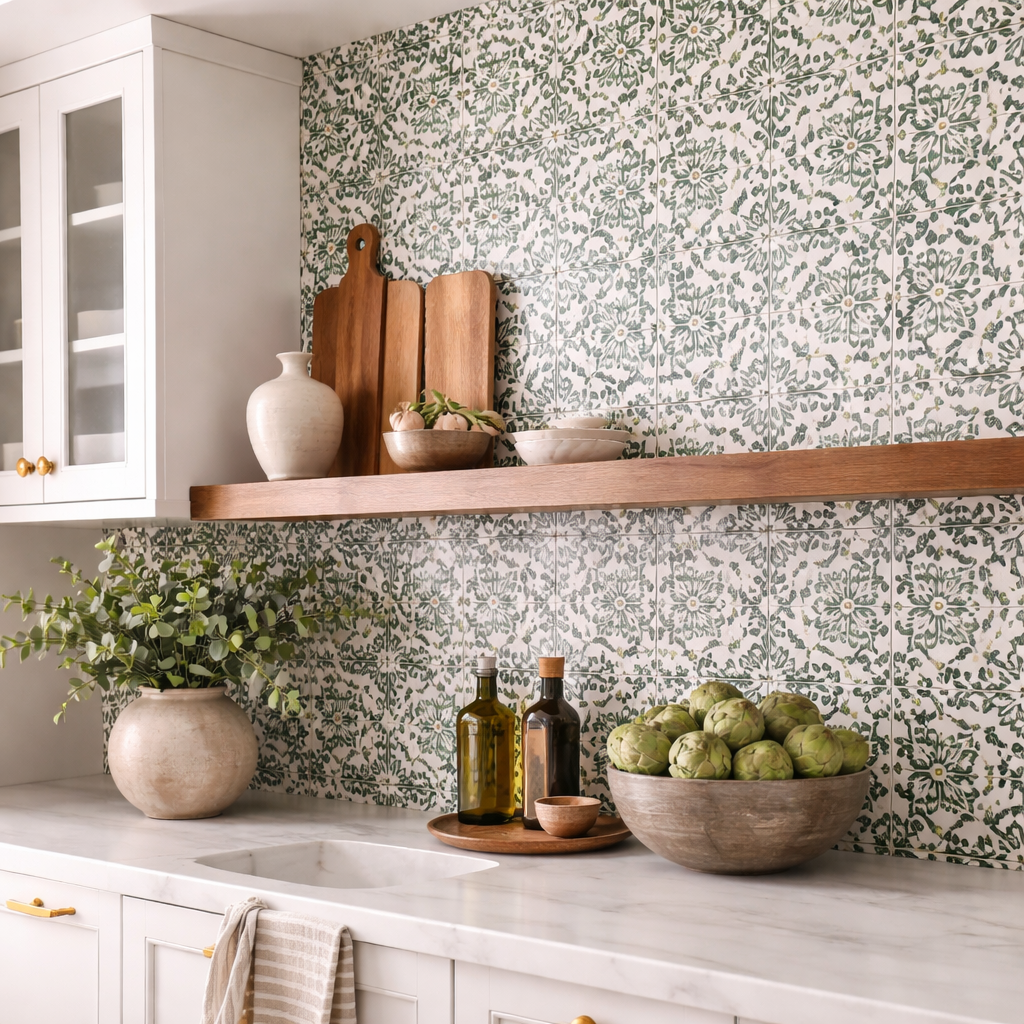
4. Modern Kitchen Backsplash Ideas for a Fresh Look
Many modern kitchens focus on simplicity and texture rather than heavy decoration. These kitchen backsplash ideas highlight clean surfaces, subtle patterns, and thoughtful color choices.
Large Format Tiles
Large-format tiles have become increasingly popular in modern kitchen design. These tiles reduce the number of grout lines across the wall, which creates a smoother visual surface. With fewer grout lines, the backsplash also becomes easier to clean.
Common large tile sizes include twelve by twenty-four inches and twenty-four by twenty-four inches. Some kitchens even use slab-style panels that cover large sections of wall with minimal seams. Large format kitchen backsplash and wall tiles work well with modern cabinets that feature flat doors and simple hardware. The overall effect feels organized and uncluttered.
Matte Finish Tiles
Glossy tiles reflect light strongly, while matte tiles create a softer appearance. Many homeowners choose matte finishes because they feel calm and understated. This finish works especially well in kitchens with natural materials such as wood cabinets or stone countertops.
Matte surfaces also hide fingerprints and smudges better than glossy tiles. This makes them practical for families who cook often and want a backsplash that stays clean longer. Neutral matte tiles in gray, beige, or cream tones often appear in contemporary kitchens. These colors blend easily with many design styles while maintaining a modern look.
Textured Wall Tiles
Flat walls sometimes feel plain, especially in minimalist kitchens. Textured tiles solve this problem by adding depth to the surface without relying on bold colors.
Many textured kitchen backsplash and wall tiles feature raised patterns that interact with lighting. Under-cabinet lights create subtle shadows that highlight the tile design.
Popular texture styles include:
- Wave patterns
- 3D geometric designs
- Handmade tile surfaces
- Ribbed or linear textures
These tiles create visual interest while still keeping the overall kitchen design balanced.
5. Creative Color Ideas for Kitchen Backsplashes
Color plays a large role in shaping the kitchen’s atmosphere. While some homeowners prefer neutral tones, others use the backsplash to introduce a stronger accent color.
Neutral Backsplash Colors
Neutral colors remain the safest option for long-term kitchen design. Shades like beige, warm gray, cream, and light taupe blend easily with different cabinets and countertops. These colors also create a calm environment that does not distract from other design elements. Kitchens with neutral backsplashes often feel brighter and more spacious. Homeowners who plan to sell their homes later often prefer neutral kitchen backsplash ideas. Neutral colors appeal to a wide range of buyers and rarely feel outdated.
Blue Backsplash Tiles
Blue tiles add depth and personality to the kitchen. Deep navy backsplashes create a strong contrast when paired with white cabinets. Lighter blue tones, on the other hand, create a relaxed coastal feel. Glossy blue tiles reflect light across the room and bring energy into the space. When combined with brass or gold fixtures, blue tiles create a warm and stylish kitchen atmosphere. Blue kitchen backsplash and wall tiles also pair nicely with marble countertops. The combination of cool tones often creates a balanced and refreshing design.
Green Backsplash Tiles
Green tiles bring a natural feeling into the kitchen environment. Soft sage green backsplashes feel calm and welcoming. Olive green tiles complement wood cabinets beautifully. Emerald green tiles create a stronger statement and work well in kitchens that feature bold design choices. These deeper shades often appear in modern kitchens with dark cabinets or metal accents. Green backsplashes connect well with natural materials such as stone countertops and wood surfaces. The color reminds people of plants and outdoor environments, which helps create a comfortable cooking space.
6. Ideas For Budget-Friendly Kitchen Backsplash Tiles
Kitchen renovations can quickly become expensive. Fortunately, backsplashes offer an affordable way to refresh the space without major construction.
Choose Simple Tile Shapes
- Basic tile shapes usually cost less than complex designs. Subway tiles, square tiles, and simple rectangles remain widely available and affordable.
- Because these tiles are produced in large quantities, prices stay relatively low. Even so, homeowners can create unique looks by experimenting with layout patterns.
- Changing grout color also adds contrast and visual interest without increasing tile costs.
Use Mosaic Tile Sheets
- Mosaic tiles often come attached to mesh sheets. Each sheet contains many small tiles that installers place on the wall at once.
- This method speeds up installation and reduces labor time. Mosaic sheets also combine different materials such as glass, ceramic, or stone.
- Many homeowners use mosaic accents behind the stove or sink. These sections create decorative focal points without covering the entire wall.
Install a Partial Backsplash
- Not every kitchen requires a full wall backsplash. Some designs focus only on high splash areas.
- Common locations include the wall behind the stove or around the sink. Installing tile in these areas protects the wall while reducing overall material costs.
- Partial backsplashes can still look attractive when designed carefully. The key is choosing tiles that complement the rest of the kitchen surfaces.
7. Maintenance Tips for Kitchen Backsplash Tiles
Backsplashes require less maintenance than floors or countertops. Still, simple care helps them stay attractive for many years.
Daily Cleaning
A quick wipe after cooking prevents grease buildup on the backsplash. Warm water and a soft cloth usually remove most splashes. Regular cleaning also keeps grout lines from becoming discolored. When done consistently, this routine takes only a few seconds. Over time, small daily habits help maintain the appearance of the kitchen backsplash and wall tiles.
Use Gentle Cleaning Products
Strong chemicals can damage certain tile finishes. Mild soap or gentle kitchen cleaners usually work well. Soft sponges or microfiber cloths clean surfaces without scratching them. Avoid using rough scrubbing pads, especially on glass or polished tiles. Gentle cleaning methods protect both the tile surface and the grout lines.
Reseal Natural Stone
Natural stone tiles require sealing to protect against stains. Sealing fills small pores in the stone surface and prevents liquids from soaking in. Most stone backsplashes need resealing every one to two years. The exact timing depends on the material and kitchen usage. Proper sealing helps stone tiles maintain their natural beauty and durability.
8. Final Thoughts
Kitchen backsplash and wall tiles combine function and design in a small but important area of the kitchen. They protect the wall from everyday cooking mess while adding color, texture, and personality to the room. Even a modest backsplash update can make the entire kitchen feel newer and more welcoming.
Many kitchen backsplash ideas work well for different styles and budgets. Some homeowners prefer simple subway tiles that stay timeless. Others choose textured or colorful tiles that create a stronger visual feature. The best choice depends on how the backsplash connects with cabinets, countertops, and lighting.
Homeowners who explore different materials, colors, and layouts often discover creative ways to improve their kitchens. For those looking to browse a wide selection of tile designs and backsplash options, Belk Tile offers many choices that help bring kitchen backsplash ideas to life.