
Tile Durability: What It Means for Homeowners
Posted by Mike Belk on Jan 06, 2026

Finding kitchen tiles that survive daily wear and still look stunning can be a real challenge for many American homeowners. With more than 80% of kitchen renovations involving new flooring or backsplash tiles, durability quickly rises to the top of every priority list. Knowing what truly makes a tile durable helps homeowners match practical performance with their personal style, so they invest confidently in materials built to last through every busy meal and cleaning.
Table of Contents
- What Tile Durability Really Means
- Tile Materials And Their Durability Ratings
- How Tile Durability Is Measured
- Key Factors Impacting Tile Lifespan
- Common Mistakes When Choosing Tiles
Key Takeaways
| Point | Details |
|---|---|
| Durability Measures More Than Strength | Tile durability evaluates material performance, resilience, and long-term functionality, essential for maintaining aesthetic appeal and structural integrity. |
| Prioritize Material Characteristics | Factors like moisture resistance and impact tolerance are vital; choose materials engineered with advanced manufacturing processes for longevity. |
| Understand Testing Protocols | Durability assessments use standardized tests to measure key attributes, guiding informed tile selections based on expected performance in various conditions. |
| Installation Quality is Crucial | Proper installation significantly impacts tile lifespan; integrating expert techniques ensures maximum durability of high-quality materials. |
What Tile Durability Really Means
Tile durability represents more than just a material’s ability to withstand physical stress - it encompasses a comprehensive evaluation of performance, resilience, and long-term functionality. At its core, durability measures how well a tile maintains its structural integrity, aesthetic appeal, and performance characteristics across various environmental conditions and usage scenarios. Understanding tile durability requires examining multiple factors that contribute to a tile’s overall quality and longevity.
When homeowners consider durability, they should assess several critical characteristics. These include moisture resistance, impact tolerance, wear resistance, chemical stability, and ability to withstand temperature fluctuations. High-quality tiles demonstrate exceptional performance across these dimensions, ensuring they can handle daily household activities without significant degradation. The most durable tiles maintain their color, texture, and structural strength even under frequent foot traffic, exposure to cleaning chemicals, and potential physical impacts.
Durability metrics go beyond simple material strength - they represent a tile’s capacity to preserve its functional and aesthetic qualities over time. Ceramic and porcelain tiles, for instance, often provide superior durability due to their dense composition and manufacturing processes. These materials typically offer low moisture absorption rates, resistance to cracking, and enhanced wear performance. Homeowners seeking long-lasting tile solutions should prioritize materials engineered with advanced manufacturing techniques that enhance structural resilience and performance predictability.
Pro tip: When evaluating tile durability, always request product specifications that detail moisture absorption rates, impact resistance ratings, and recommended usage environments to make an informed selection.
Tile Materials and Their Durability Ratings
Homeowners exploring tile options must understand the nuanced durability ratings across different materials. Ceramic tile standards provide critical insights into material performance, classifying tiles based on complex metrics like water absorption, breaking strength, and surface hardness. These technical evaluations help consumers make informed decisions about which tiles can withstand specific environmental conditions and usage patterns.
Porcelain tiles consistently emerge as a top performer in durability rankings. Fired at significantly higher temperatures compared to standard ceramic tiles, porcelain creates an exceptionally dense material with remarkable characteristics. These tiles demonstrate extremely low water absorption rates (less than 0.5%), superior wear resistance, and enhanced impact tolerance. Their dense composition makes them ideal for high-traffic areas, wet environments, and spaces requiring maximum durability and longevity.
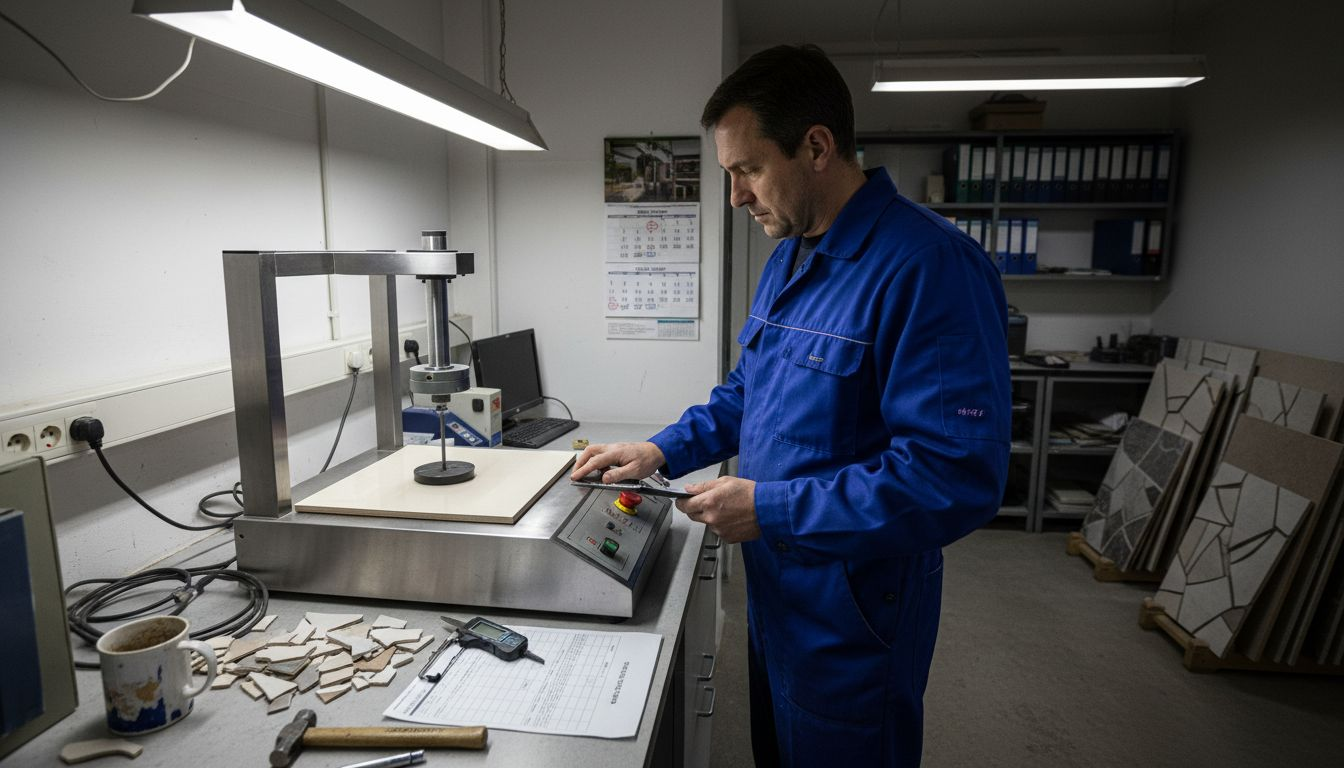
Beyond porcelain, other tile materials offer diverse durability profiles. Ceramic tiles provide solid performance for moderate-use areas, while natural stone tiles like marble and granite present unique durability characteristics. Quarry and mosaic tiles each have specific strengths, with some offering exceptional hardness and others providing aesthetic flexibility. Homeowners should consider not just material type, but also specific manufacturing processes, surface treatments, and intended installation environment when evaluating tile durability.
Here’s a summary comparing common tile materials and their durability attributes:
| Tile Material | Water Absorption | Ideal Usage Areas | Impact Resistance |
|---|---|---|---|
| Porcelain | Less than 0.5% | High-traffic, wet spaces | Excellent |
| Ceramic | 0.5% - 3% | Kitchens, walls | Good |
| Natural Stone | Varies | Entryways, bathrooms | Excellent |
| Quarry | Low | Outdoors, utility rooms | Very Good |
| Mosaic | Depends on base | Decorative, low-traffic | Fair to Good |
Pro tip: Request detailed technical specifications from manufacturers, focusing on water absorption rates, hardness ratings, and recommended usage environments to accurately assess a tile’s true durability potential.
How Tile Durability Is Measured
Tile durability undergoes rigorous scientific evaluation through standardized testing protocols that provide comprehensive insights into material performance. Standardized industry tests assess multiple critical characteristics, including water absorption rates, breaking strength, surface wear resistance, thermal shock tolerance, and chemical stability. These systematic measurements help manufacturers and consumers understand exactly how tiles will perform under different environmental conditions and usage scenarios.
The most comprehensive durability assessments involve detailed testing across several key dimensions. Abrasion resistance testing grades tiles on a scale from 0 to 5, determining their suitability for various traffic levels and applications. Breaking strength tests measure a tile’s ability to withstand physical stress, while moisture absorption evaluations reveal how well tiles resist water penetration. Chemical resistance tests simulate long-term exposure to cleaning agents, helping predict a tile’s potential degradation over time.
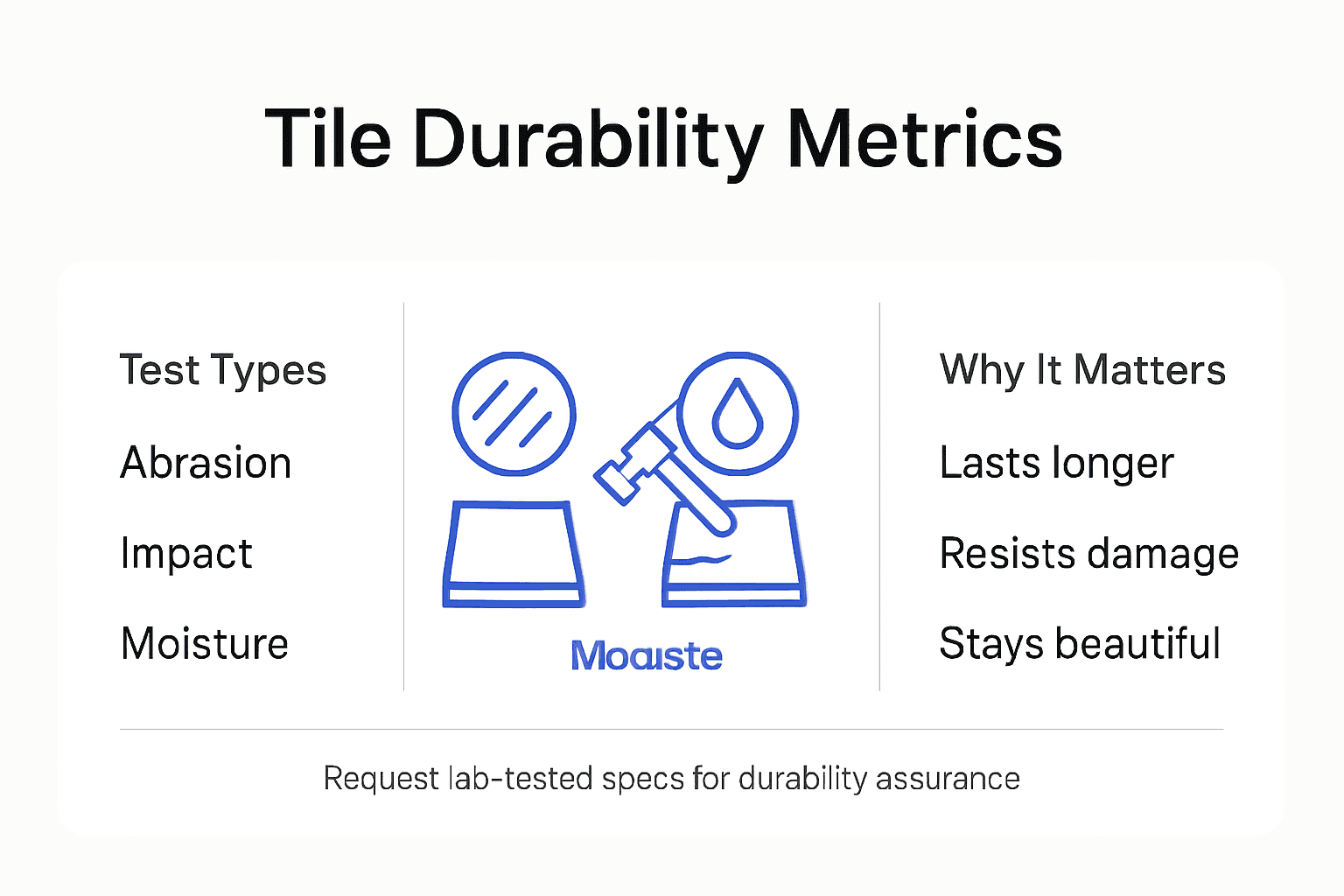
Professional tile assessment goes beyond laboratory measurements, incorporating real-world installation standards that directly impact long-term performance. Industry guidelines like the TCNA Handbook and ANSI installation standards provide critical frameworks for ensuring tile durability. These standards consider not just the tile’s inherent properties, but also how proper installation techniques can enhance or compromise a tile’s overall longevity. Factors such as substrate preparation, grout selection, and appropriate sealing techniques play crucial roles in determining a tile’s ultimate durability and performance.
Below is a quick reference for key tests used to measure tile durability:
| Test Type | What It Measures | Why It Matters |
|---|---|---|
| Abrasion Resistance | Surface wear over time | Indicates suitability for traffic |
| Breaking Strength | Physical stress tolerance | Predicts load-bearing ability |
| Water Absorption | Moisture penetration | Guides use in wet areas |
| Chemical Resistance | Reaction to agents | Assesses cleaning durability |
Pro tip: Request comprehensive test reports from manufacturers that detail specific durability metrics, focusing on abrasion resistance, breaking strength, and water absorption ratings to make the most informed tile selection.
Key Factors Impacting Tile Lifespan
Understanding the complex variables that influence tile durability requires a multifaceted approach to material selection and maintenance. Tile performance standards reveal that material type stands as the primary determinant of long-term durability, with porcelain tiles consistently outperforming standard ceramic options. Critical factors such as water absorption rates, surface hardness, and resistance to thermal shock dramatically impact how long tiles will maintain their structural integrity and aesthetic appeal.
Environmental conditions play a significant role in tile longevity. Extreme temperature fluctuations, moisture exposure, and chemical interactions can accelerate tile degradation if materials are not specifically engineered to withstand such challenges. High-traffic areas require tiles with superior wear resistance, while spaces exposed to moisture demand materials with minimal water absorption. Homeowners must consider the specific environmental context of each tile installation, selecting materials that match the anticipated stress and usage patterns.
Installation quality emerges as another crucial factor determining tile lifespan. Proper substrate preparation, precise adhesive selection, and expert grout application can mean the difference between a tile surface that lasts decades and one that fails prematurely. Factors like substrate levelness, moisture barrier effectiveness, expansion joint placement, and precise tile alignment contribute substantially to long-term performance. Professional installation becomes an investment that protects the tile’s inherent durability, ensuring that even high-quality materials can reach their maximum potential lifespan.
Pro tip: Consult with professional tile installers who can assess your specific environmental conditions and recommend materials with the most appropriate durability characteristics for your unique space.
Common Mistakes When Choosing Tiles
Homeowners frequently make critical errors when selecting tiles that can compromise long-term performance and aesthetic appeal. One of the most fundamental mistakes is prioritizing visual attractiveness over functional requirements. Different spaces demand specific tile characteristics, and selecting materials without considering environmental stress, traffic patterns, and potential exposure can lead to premature wear and costly replacements.
Another significant oversight involves neglecting proper tile layout planning. Many inexperienced homeowners fail to consider tile placement strategies that impact both durability and visual harmony. Small tile cuts less than half a tile’s size near edges or corners create structural weak points and disrupt the overall visual flow. Professionals understand that strategic tile placement involves careful measurement, balanced distribution, and minimizing fractional tile segments to ensure maximum structural integrity.
Material selection represents another complex decision where homeowners frequently stumble. Choosing tiles solely based on price or aesthetic preferences without evaluating critical performance metrics like water absorption rates, surface hardness, and wear resistance can result in disappointing outcomes. Each room presents unique challenges - bathroom tiles require different durability characteristics compared to kitchen backsplashes or outdoor patio surfaces. Understanding these nuanced requirements demands research, professional consultation, and a comprehensive approach to material selection.
Pro tip: Always request technical specifications and performance ratings from tile manufacturers, and consult with professional installers who can provide tailored recommendations based on your specific environmental conditions and usage requirements.
Discover Durable Tiles That Stand the Test of Time
Choosing tiles that balance style and long-lasting durability can feel overwhelming given all the technical details like water absorption rates and abrasion resistance. The article explained how factors such as material type and proper installation drastically affect a tile’s lifespan. If you want to avoid costly replacements and enjoy beautiful, reliable surfaces throughout your home or commercial space, focusing on high-quality materials like porcelain and natural stone is essential.
Explore highly durable tile options at BELK Tile where you can filter by tile type, application, and durability features. Whether you need tiles ideal for wet areas, high-traffic zones, or elegant decorative accents, our range includes ceramic, porcelain, and specialty tiles engineered for strength and style. Don’t settle for tiles that may fail under pressure. Instead, make informed choices backed by detailed specifications and professional-grade quality.
Take control of your tile selection today and create spaces that look stunning and endure daily wear. Visit BELK Tile now to find durable tiles designed to meet your unique environmental challenges. Start your project with confidence knowing you invested in long-lasting beauty and performance.
Frequently Asked Questions
What factors should I consider when assessing tile durability?
When assessing tile durability, consider moisture resistance, impact tolerance, wear resistance, chemical stability, and temperature fluctuations. High-quality tiles will maintain their color, texture, and structural strength over time, even under frequent use.
How does the manufacturing process affect tile durability?
The manufacturing process significantly impacts tile durability. For example, porcelain tiles are fired at higher temperatures, creating denser materials with low water absorption rates and enhanced wear performance, making them ideal for high-traffic and wet environments.
What are the different types of tile materials and their durability ratings?
Common tile materials include porcelain, ceramic, natural stone, quarry, and mosaic tiles. Porcelain tiles are highly durable with water absorption below 0.5%, while ceramic tiles have moderate durability. Natural stone tiles vary widely in durability, and performance attributes differ between quarry and mosaic tiles based on their design.
How can I ensure tiles maintain their durability over time?
To ensure tiles maintain durability, consider proper installation techniques, including substrate preparation, grout selection, and sealing methods. Consulting with professional installers can provide tailored recommendations based on specific environmental conditions and expected usage.
Recommended