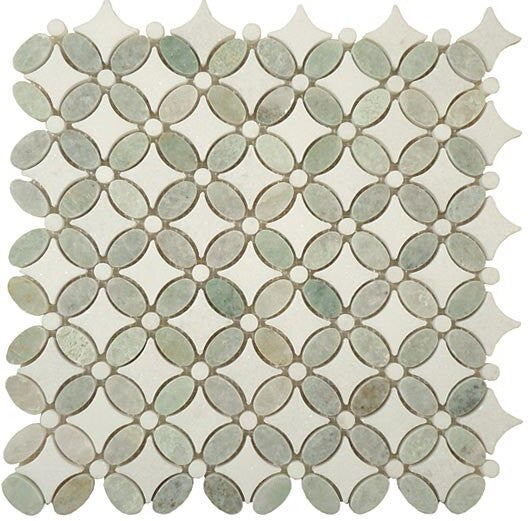

Kitchen Backsplash Styles, Patterns & Design Ideas
The same tile can give a kitchen an entirely different look depending on how it is installed. Explore backsplash patterns, decorative mosaics, subway tile layouts and design ideas that help you balance visual interest with the overall style of your kitchen.


Kitchen Backsplash Ideas, Design Trends, Expert Guides

Latest Trend! Metal Accent Tiles for Backsplash Poise
These days, more and more people are keeping up with the trend of using metal tiles as accent tiles in their backsplash. They are unique, attractive, and easy to install; in fact, anyone with DIY skills can install them. Aside from their charm, metal accent tiles for backsplash are also quite easy to maintain. Like other things in the house, you will eventually need to clean metal tiles to keep them looking good as new.You may use different types of maintenance and care for metal accent tiles, depending on the type of metal tile you have and the effect that you want. For instance, copper may be stained when it is exposed to moisture and air unless you seal it. However, there are some people who prefer this type of aging. Others want their metal accent tiles for backsplash to look as shiny as they did on the day they were installed. For iron metal accent tiles, they will rust if you do not care for them regularly. If you want to keep iron pristine, you need to seal and clean it.Sealing the Metal TileThere are only two types of metal tile that need to be sealed: copper tiles and iron tiles. Sealing the metal accent tiles for backsplash will help protect the finish of the metal and prevent oxidation that will eventually happen as the surface acts with moisture in the air. As mentioned, iron will show rust, and in the case of copper, it will turn darker and acquire a patina.You can prevent this from happening by using a reliable solvent-based sealer. You can spray or brush it on the metal tiles and it will create a barrier to keep moisture from passing through the metal accent tiles for backsplash. However, make sure that you cover the whole surface of the tile because even a small area that is left untreated will oxidize.Cleaning the Metal TileYou can clean most metal tiles using dishwashing detergent and warm water. Wash them down using micro fiber cloth, making sure you rinse them thoroughly so there will be no smudges.Do not use water and soap on metal accent tiles for backsplash that are made from stainless steel. Instead, use a proper cleaner for stainless steel. Apply it using a dry, lint-free cloth and make sure that you do it carefully because stainless steel tiles scratch easily.For copper, you have a few choices, unless you have sealed the surface. You may allow the metal tiles to age and simply clean them on a regular basis using water and soap. You may also use a copper cleaner if you want your metal accent tiles for backsplash to remain shiny. However, patina copper tiles have a clear coat protection, so it will not do any good if you use a copper cleaner on them. Instead, just stick to water and soap to keep them clean.You have to apply special care on titanium tiles, even if they are only titanium-colored. Never use water and soap on them. Instead, prepare a solution with equal parts of water and vinegar, and then apply it on the tiles using a clean, dry cloth to keep them shiny and clean.Removing StainsStainless steel tiles may still end up having blemishes caused by hard water deposits. In these instances, the tiles tend to look unpleasant, but these blemishes are quite easy to remove. Create a paste using either water and baking soda, or water and borax. Apply it to the whole surface using a cloth, rinse it using warm water, and then wipe it with a dry cloth. Do not rub too hard so you will not scratch your metal accent tiles for backsplash.
Read more
6 Kitchen Backsplash Ideas
Kitchen Backsplash Design Ideas How do you design your kitchen backsplash? What type of materials do you use? Well, we don’t use simple tiles for backsplash anymore. Nowadays, backsplashes are elegant and don’t look overly stylish either. Below are the tips to help you get started with the designing. 1. Follow your personal preference There are many options to choose from. To make the selection easier, you should consider your personal preference first. What type of look do you want? You can go for a conventional or modern design based on your taste. After all, you don’t want a style that won’t look beautiful to you. You can check out various designs online to choose one that suits your personal preference. 2. Basics The backsplash is part of your house, and it shouldn’t look entirely different from other areas of your house. Instead, it should match your overall space. It should create a balanced look and shouldn’t be too light or too bright. 3. Use Glass For a transitional or modern feeling, glass is an ideal choice. As a matter of fact, glass mosaics mix well with stone, metal and gems. They also add movement and texture. Moreover, the hues and textures of the glass create a complex and detailed movement for kitchen backsplashes. So, you can use glass for this purpose as long as you like it. Most people do like it, though. 4. Make a combination of different backsplash materials: If you want, you can combine stuff, such as glass tile and stone mosaics. You can mix it up and go for metal mosaics. Actually, this is a tile featuring linear, interlocking pieces of tile. Alternatively, you can try the cement tiles shades for adding dimension. There is another way to do it: you can try shades of quality cement tiles, which will add a dimension to the whole thing. As an alternative, you can install a backsplash using the same material of different measurements. You will be amazed at what you will end up with. This design idea is very popular and is liked by most designers. 5. Custom designs For a conventional space, you can make a great look with custom tiles carefully crafted by an expert artisan. The hood area can be decorated with hand cast tiles, which will make a great focal point. 6. Water Jet Patterns Technology has made everything so easier. As far as water jet designs are concerned, you can choose from various styles for the kitchen backsplash design. Actually, these designs are developed using powerful machines that make use of an extremely high-pressure water jet for cutting glass and stones into a specific design. However, these design cost a good deal of money. The cost can be cut down if small doses are used. So, if you are going to design your kitchen backsplash on your own, you can consider the design ideas given above. Just make sure you have prepared well before giving it a go. You may not want to lose money on something that is not done well.
Read more
Green Tile Ideas: How to Use Green Tile in Kitchens, Backsplashes and Your Home
Bottom line first: green tile is one of the easiest ways to add color to a home without making the design feel overly trendy. From soft sage and muted olive to deep emerald and jewel toned glass, green can be subtle, sophisticated, dramatic or somewhere in between. I’m Mike Belk, founder of BELK Tile, and if you’re considering green tile, my advice is simple: choose the shade and material based on the room first, then build the rest of the design around it. For a kitchen backsplash, glossy green ceramic or glass tile can reflect light and create depth. In a bathroom, sage and muted green tile can create a quieter, spa inspired atmosphere. Deep emerald and forest greens work especially well when you want the tile to become the focal point. Green is no longer limited to backsplashes either. Today, I see homeowners and designers using green tile for shower walls, bathroom floors, fireplaces, bar areas, accent walls and other spaces where they want something more interesting than another neutral surface. If you are ready to start looking at actual products, you can shop our green tile collection, or keep reading and I will walk you through how I approach choosing green tile for different projects. Why Is Green Tile So Popular? Green works because it gives you color while maintaining a connection to natural materials. Think about the colors that already exist comfortably together in nature: green leaves, brown wood, cream stone, white flowers, gray rock and warm earth tones. Those same combinations translate naturally into interior design. That is one reason green tile pairs so easily with materials homeowners already have in their kitchens and bathrooms. Green works particularly well with: Natural and white oak Walnut White cabinetry Cream cabinetry Black cabinetry Marble Quartz Natural stone Brass Brushed nickel Matte black fixtures The shade makes a major difference, though. Sage green feels quiet and organic. Emerald green feels richer and more dramatic. Olive has an earthy quality. Mint feels lighter and more playful. Blue green shades can lean coastal, while dark forest green can make a room feel sophisticated and moody. That is why I do not think of green tile as one design style. It is really an entire color family. My Favorite Green Tile Colors Before choosing the material or pattern, I usually start with the shade. Sage Green Tile Sage is one of the easiest greens to design around. It is muted enough to behave almost like a neutral but still provides enough color to give the room personality. I particularly like sage green tile with: Warm white cabinetry Natural oak Light quartz Cream stone Brushed brass Soft gray Warm beige For homeowners nervous about introducing color into a kitchen or bathroom, sage is usually where I suggest starting. It provides color without demanding all of the attention. Emerald Green Tile Emerald is a completely different experience. Where sage is subtle, emerald makes a statement. A glossy emerald green backsplash can become the visual centerpiece of a kitchen, particularly when paired with white, cream, natural wood or black cabinetry. If you are using a strong emerald green, I generally recommend keeping the surrounding surfaces simpler. Let the tile do the work. Olive Green Tile Olive works especially well in interiors built around natural materials. Pair it with walnut, oak, terracotta, cream, stone and warm metals and you can create a kitchen or bathroom that feels established rather than overly designed. Olive also works nicely in rustic, Mediterranean and organic modern interiors. Forest Green Tile Forest green gives you depth. I like it for dramatic kitchen backsplashes, fireplace surrounds, shower walls and feature walls. With darker green tile, lighting becomes especially important. A glossy finish can reflect light and keep the surface from feeling too heavy, while a matte finish creates a quieter and moodier appearance. Mint and Light Green Tile Light greens are useful when you want color without making the room visually darker. Mint, seafoam and pale green work beautifully in smaller kitchens, bathrooms and coastal inspired spaces. They pair naturally with white, cream, pale gray and light wood. Green Kitchen Backsplash Tile The kitchen backsplash is still one of the best places to experiment with green. A backsplash occupies enough visual space to influence the kitchen but does not require committing every surface in the room to the same color. If the cabinets and countertops are fairly neutral, green backsplash tile can become the element that gives the kitchen personality. Explore our backsplash tile collection when comparing materials, shapes and colors for your kitchen. Green Tile With White Cabinets This is probably the easiest combination to get right. White cabinetry gives green tile a clean background and allows virtually any shade of green to work. For a softer kitchen, consider sage, seafoam or pale green. For stronger contrast, consider emerald, forest or darker olive. I particularly like adding warm hardware when combining green tile with white cabinets. Brass or aged brass can keep the room from feeling too cool. Green Tile With Wood Cabinets Green and natural wood are an excellent combination because both colors have an organic quality. With light oak, I generally lean toward sage, olive and muted green. With darker walnut, richer emerald and forest green can look outstanding. The key is paying attention to undertones. Bring tile samples into the room and look at them next to the actual cabinet finish before ordering the entire project. Green Tile With Black Cabinets This combination can be dramatic. Deep green tile with black cabinetry works particularly well in kitchens with plenty of natural light. If the room is smaller or darker, consider a glossy tile so the backsplash reflects some light back into the space. Green Tile With Cream Cabinets Cream and green create a warmer appearance than green and bright white. Sage, olive and handmade look green ceramics are especially good choices here. Add warm wood and brass and the combination can feel timeless rather than trendy. Green Glass Tile Backsplash Ideas Glass deserves its own discussion because green glass behaves differently from opaque ceramic or porcelain. Light travels through and reflects off glass, creating depth that changes throughout the day. That quality is one reason I have always liked green glass for backsplashes. Use Pale Green Glass for a Light Kitchen Pale green glass is an excellent way to introduce color into an otherwise white or neutral kitchen. You still get the clean feeling of the lighter palette, but the backsplash prevents the room from becoming sterile. The reflective glass surface also works well under cabinet lighting. Use Emerald Glass as the Focal Point If you are willing to make a stronger statement, emerald green glass can be spectacular. Keep surrounding finishes relatively simple and allow the backsplash to become the feature. White quartz, natural wood and restrained cabinet hardware are usually enough. Try a Green Glass Mosaic Mosaics introduce another layer of texture. Different pieces catch light at slightly different angles, which can create more movement than a standard field tile. Browse our mosaic tile collection if you want to compare mosaic shapes, materials and patterns. Green Ceramic Tile Ceramic tile gives you tremendous freedom with surface texture and color. Glossy ceramics can have subtle variations from piece to piece that create a handcrafted appearance, while more uniform ceramics provide a cleaner contemporary look. Green ceramic tile works especially well for: Kitchen backsplashes Bathroom walls Shower walls when approved for the application Fireplace surrounds Decorative accent walls One design approach I particularly like is a simple green ceramic subway or rectangular tile installed in an unexpected layout. Instead of introducing another pattern or material, change the orientation. A vertical stack, herringbone or straight stack can make a relatively simple tile feel completely different. Green Mosaic Tile Green mosaics can combine color, texture and pattern in a single surface. They are available in glass, ceramic, porcelain, natural stone and mixed materials. Because mosaics use smaller individual pieces, they can create more visual movement than large format tile. They can work particularly well for: Kitchen backsplash accents Shower floors when rated for the application Shower niches Bathroom feature walls Fireplace details Bar backsplashes When using a visually busy mosaic, I generally simplify the rest of the room. You do not need every surface competing for attention. Green Tile Is Not Just for Kitchens One of the biggest changes I have seen is homeowners becoming much more comfortable using color throughout the home. Green tile has moved far beyond the kitchen backsplash. Green Bathroom Tile Green is a natural fit for bathrooms because of its connection with plants, water and natural environments. A soft sage shower wall paired with warm white tile can create an entirely different atmosphere from a conventional gray bathroom. For a more dramatic bathroom, consider dark green tile on the shower walls with a lighter floor. You can browse our bathroom tile collection for materials intended for bathroom applications. Green Shower Tile When selecting green shower tile, do not choose based on color alone. Make sure the tile is appropriate for the specific wet area where you intend to install it. Shower walls give you more flexibility than shower floors. Floors need additional consideration for slip resistance and drainage. This is particularly important with glossy materials. A glossy green wall tile can be beautiful. That does not automatically make it appropriate for the shower floor. Green Bathroom Floors For flooring, performance comes first. Look for a tile rated for floor use and consider traction, maintenance and moisture exposure. If you want to explore the category further, visit our floor tile collection. Green Fireplace Tile A fireplace is another place where green can work exceptionally well. Because the fireplace is already a natural focal point, deeper colors do not feel out of place. Dark green tile can pair beautifully with: Natural wood mantels Black metal White oak flooring Warm gray walls Brass accessories Cream upholstery Always confirm that the specific tile and installation materials are appropriate for your fireplace application. What Grout Color Goes With Green Tile? Grout can completely change the appearance of green tile. I always recommend looking at the tile and grout together rather than treating grout as an afterthought. White or Off White Grout Light grout emphasizes each individual tile and creates stronger contrast with dark green. With pale green tile, it can create a soft and clean appearance. Matching Green or Neutral Grout A closer grout match allows the tile surface to read more continuously. This can be useful when you want the color and texture to take center stage rather than the grout pattern. Gray Grout Gray can provide a practical middle ground. It creates less contrast than white while still defining the pattern. Warm gray often works particularly well with sage and olive tones. Dark Grout Dark grout can create a strong graphic effect, but I use it selectively. The more contrast you introduce, the more attention you draw to every grout joint and every slight layout variation. That can look great when intentional, but it is less forgiving when installation is not perfect. Glossy or Matte Green Tile? Neither finish is automatically better. They create different effects. Glossy Green Tile Choose glossy when you want: More light reflection Richer apparent color A polished surface More visual movement A backsplash or wall that attracts attention Glossy green works particularly well in kitchens and on bathroom walls. Matte Green Tile Choose matte when you want: A softer appearance Less reflection An earthy or organic aesthetic A quieter background surface A contemporary or natural design Matte sage and olive tiles can be especially effective in bathrooms. What Colors Go Best With Green Tile? One of green's biggest strengths is how many colors work with it. Green and White Clean, crisp and easy to design. Green and Cream Warmer and softer than bright white. Green and Natural Wood One of my favorite combinations because it feels organic and balanced. Green and Black Strong and sophisticated, especially with darker greens. Green and Brass Brass brings warmth to green and works particularly well with emerald, sage and olive. Green and Marble White marble or marble look surfaces can provide a sophisticated contrast against green. The veining should complement the undertones in the green rather than compete with them. How to Choose the Right Green Tile If you are overwhelmed by the number of choices, simplify the process. I recommend making decisions in this order: Determine the application. Kitchen backsplash, shower wall, bathroom floor and fireplace all have different performance requirements. Choose your green family. Sage, olive, emerald, forest, mint or blue green. Choose the material. Ceramic, glass, porcelain, stone or mosaic. Choose the finish. Glossy, matte or textured. Choose the shape. Subway, square, hexagon, penny round, Kit Kat, mosaic or another format. Select grout. Decide whether you want the grout to blend or contrast. Order samples. Evaluate the tile in the actual room before making your final decision. That last step matters. Tile color can look different depending on natural light, artificial lighting, cabinet colors and surrounding finishes. A sample gives you a much better idea of what you are actually buying. Mistakes I Would Avoid With Green Tile Choosing Color Before Application The prettiest tile in the world does not help if it is not suitable for where you are installing it. Check the manufacturer's recommended applications first. Using Too Many Competing Colors If green is the statement, give it room to work. You do not necessarily need a dramatic countertop, patterned floor and brightly colored cabinets competing with it. Ignoring Lighting Dark green can look almost black in poorly lit rooms. Light green can change considerably depending on warm versus cool artificial lighting. Always evaluate samples under the lighting conditions you will actually have. Forgetting About Grout Grout is part of the finished design. Choose it at the same time you choose your tile. Ordering Exactly the Square Footage You Need Tile installations involve cuts, breakage and waste. I generally recommend ordering approximately 10 percent extra, with more potentially needed for complicated patterns or layouts. Having extra tile from the same production run can also be valuable if you ever need a repair. Are Green Tiles Timeless or Trendy? Green is certainly popular right now, but I do not consider green itself a temporary trend. Green has existed in interiors for generations. What changes are the particular shades, shapes and patterns that become fashionable. That is an important distinction. A classic sage ceramic subway tile is much less likely to feel dated than a highly specific combination of trendy color, shape and installation pattern. If longevity matters to you, I recommend letting one or two elements make the statement instead of combining every current trend in the same room. You can also read my broader guide, Discover the Beauty of Green Tiles for Your Home, for more ways to use green throughout the home. My Final Advice on Choosing Green Tile If you have been considering green tile but are worried about committing to color, start by looking at the room as a whole. Green does not have to dominate the space. A soft sage backsplash can behave almost like a neutral. A glass mosaic can introduce only a small amount of green. An emerald backsplash can deliberately become the centerpiece. There is not one correct shade. The right choice depends on your cabinetry, countertops, flooring, lighting and how much visual attention you want the tile to receive. After more than 20 years in the tile industry, I have learned that homeowners are happiest when they choose materials they genuinely enjoy rather than designing entirely around whatever happens to be trending at the moment. Choose the application first, the shade second, and the style third. If you follow that order, you are much more likely to end up with a green tile installation that looks good today and still feels right years from now. Ready to start comparing options? Shop green tile at BELK Tile and explore shades ranging from subtle sage and mint to bold emerald and deep forest green. Related Green Tile Resources If you are still planning your project, these BELK Tile resources can help you compare materials, applications and design ideas. Shop Green Tile – Compare BELK Tile's current selection of green ceramic, glass, porcelain, stone and mosaic tiles. Shop Tile by Color – Compare green with other tile colors before committing to your final palette. Discover the Beauty of Green Tiles for Your Home – Explore additional ways to incorporate green throughout kitchens, bathrooms and living spaces. Browse Bathroom Tile – Find tile for bathroom floors, shower walls and other wet area applications. Browse Mosaic Tile – Explore mosaic patterns and materials for backsplashes, showers and accent surfaces.
Read more
Copper Mosaic Tile Design Ideas
Copper Tile Mosaic Tile Backsplash Copper mosaic tile has a refined look that goes well with modern, traditional, country-inspired, and minimalist interiors. Copper tiles are versatile and can be used both indoors and outdoors. You can even use them in fire pits and fireplaces. Copper tiles are either machine-cut from solid copper or hand-cut, as in the case of artisan-hammered copper tiles. They don’t crack, dent, or chip. Over time, they produce a gorgeous patina. Build a wall of penny copper mosaic tile. This project will completely change the look of any room and make it worthy of a magazine cover. Copper mosaic penny tiles will give the room a sparkle and an air of elegance. Limit the look to just one wall of the room. However, if you’re the adventurous type, go ahead and cover your entire kitchen or bathroom with it. In the kitchen, it will look great with white or exposed brick walls, marble or granite countertops, and a clean and simple layout. Strategically-placed lighting will really make the copper glow while open shelving will keep the focus on the mosaic. A wall of copper mosaic penny tiles will also look great in the bathroom, hallway, living room, and dining area. Use copper tile backsplash with natural elements. The industrial sheen and color of copper tiles create a beautiful contrast with outdoor-inspired design components such as stone and wood. Combine copper tiles with stone or slate in a rustic, country kitchen or outdoor entertainment area. Mix copper with marble for a timeless, cultured look in the bathroom. Pair a copper mosaic backsplash with bamboo countertops. Use copper wall tile as accents. Copper mosaic tiles interspersed with other kinds of mosaic tiles create interesting patterns and textures in your kitchen backsplash or bathroom walls. Copper tiles perfectly complement ceramic or glass tiles and, mixed with aluminum mosaic tiles, produce an intriguing, modern look perfect for bars, vanities, backsplashes, and pool areas. You can also use copper mosaic tiles as accent pieces. A dash of copper tile can be just the perfect finishing touch to any wall in your house. Place a strip of copper mosaic tiles in your shower enclosure or around your bathtub. Install a wall of copper mosaic tiles over your bed to serve as a headboard or over the range to create a focal point in the kitchen.
Read moreChoosing a Kitchen Backsplash Style and Tile Pattern
Backsplash design involves more than selecting a tile color. Tile shape, installation direction, grout joints and pattern repetition all influence how the finished kitchen looks. Even a familiar subway tile can create a distinctly different appearance when installed in a stacked, vertical or herringbone layout.
Classic and Contemporary Backsplash Patterns
Traditional running bond layouts offer a familiar appearance, while stacked patterns emphasize clean lines. Herringbone, chevron and geometric mosaics introduce movement and can create a focal point behind a range or cooking area.
Balancing Decorative Tile with Kitchen Finishes
Decorative mosaics and patterned tiles work especially well when surrounding surfaces are relatively simple. Kitchens with prominent countertop veining, detailed cabinetry or multiple finishes may benefit from a more restrained backsplash design.
Plan the Layout Before Ordering Tile
Consider how the pattern will terminate at cabinets, outlets, corners and exposed edges. Some decorative patterns require additional cuts or careful sheet alignment, which can influence material quantities and installation costs.
Review our backsplash installation and planning guides for practical project advice, or explore our tile material guides to compare the finishes and materials available for your preferred design.
Shop Kitchen Backsplash Tiles


Equipe Mallorca (Myorka) Cream EM-44-CR 4 x 4 Zellige Look Ceramic Tile
Choose your option


MBC Brick Road Lombard Street 4701 3x10 Brick Look Porcelain Tile
Choose your option

Aquatica Atlantis AQ-2005 Blue Iridescent Glass Mosaic Tile
Choose your option

Antique Copper Subway Metal Mosaic Tile for Kitchen Backsplash, Fireplace & Accent Wall
Choose your option


Equipe Mallorca (Myorka) Cream EM-28-CR 2 x 8 Zellige Look Ceramic Subway Tile
Choose your option