
Kitchen Backsplash Ideas, Design Trends & Expert Guides


Kitchen Backsplash Ideas, Design Trends, Expert Guides

Glass vs. Ceramic Backsplash Tile: Which Is Better for Your Kitchen?
For most kitchen backsplashes, glazed ceramic tile is the more practical starting point. It is generally easier to cut, offers plenty of design options and can help keep installation costs down. Glass tile is worth considering when you want more depth of color, stronger light reflection or a distinctive decorative finish. Both materials can make an excellent backsplash, but the differences become more important when you start planning the actual installation. If you are deciding between glass and ceramic, I would not start by asking which material is better. I would start by looking at your kitchen. How many outlets are on the backsplash wall? Is there enough natural light? Are you replacing the countertops or working around existing ones? Are you installing the tile yourself? The answers to those questions can make the decision considerably easier. The featured kitchen comparison is a design rendering. Actual product photographs appear below. Glass vs. Ceramic Backsplash Tile at a Glance Feature Glass Tile Ceramic Tile Appearance Reflective, often with visual depth Glazed, matte, textured or patterned Material cost Often higher Broad range of affordable options Cutting Requires appropriate glass cutting tools Many products are easier to cut Cleaning Generally easy on smooth surfaces Generally easy on smooth glazed surfaces Setting materials Product-specific glass compatibility required More conventional options for many products Sealing Usually unnecessary for conventional smooth glass Usually unnecessary for conventional glazed ceramic DIY suitability Depends heavily on the product and installer Often more approachable Best design advantage Color depth and light reflection Variety of textures, shapes and styles These are general differences. A complicated handmade ceramic mosaic can be more expensive and difficult to install than a straightforward glass subway tile. Why Glass and Ceramic Look Different, Even in Similar Colors Put a piece of pale blue-green glass next to a blue ceramic tile and you may notice that they behave differently under light. Depending on how the glass is manufactured, light can interact with the material beneath its surface or with a colored backing. Ceramic typically gets its color and surface character from its glaze. That distinction becomes more apparent when the tiles are installed vertically beneath kitchen cabinets. Consider two products from our catalog: Crystile Ocean Spray C-15 glass tile, actual product photograph. Crystile Ocean Spray C-15 is a glossy 4 x 12 glass subway tile with light blue-green tones. Notice the greener undertone in the photograph. It is a good option when you want the backsplash to contribute noticeable color and reflection. Brooklyn Sky BK-2501 ceramic tile, actual product photograph. Brooklyn Sky BK-2501 is a glossy 3 x 12 ceramic subway tile. Its blue glaze and slightly uneven surface give it a different character. Both could work with white cabinetry and light countertops. These are not identical colors, so compare samples in your own kitchen before deciding whether you prefer the material or the shade. Which Is Easier to Keep Clean? I would be comfortable recommending either smooth glass or smooth glazed ceramic to someone who cooks regularly. Both can be relatively easy to maintain with a soft cloth and a manufacturer-approved cleaner. The bigger question is what the finished installation looks like. Imagine comparing a glass penny round mosaic with a larger ceramic subway tile. The glass surface itself may be easy to wipe, but there are considerably more grout joints to clean. In that situation, ceramic may be the lower-maintenance choice. Reverse the comparison and use a large smooth glass tile alongside a heavily textured ceramic mosaic. Now glass may be the easier option. Instead of shopping by material alone, look at the surface texture, tile size, grout requirements and any specialty finishes. What About Stains and Sealing? Conventional smooth glass and glazed ceramic generally do not require surface sealing. However, specialty crackle finishes, unglazed surfaces and certain decorative products can have different requirements. Grout is a separate consideration. Some cement-based grouts may benefit from sealing, while other grout formulations have different maintenance requirements. Always confirm the recommendations for both the tile and grout. Which Material Is Better Behind the Stove? Both glass and ceramic tiles can be suitable behind a residential range when the particular product is approved for that application. Ceramic is often a straightforward choice for this area, especially if you want a smooth, glazed surface without complicated installation requirements. Glass can also work well, but do not assume every glass tile is suitable simply because it is marketed as a wall tile. Decorative coatings, backing materials and installation requirements can vary. Check the tile manufacturer's instructions, the setting material requirements and the appliance manufacturer's required clearances. No decorative backsplash should be treated as a substitute for required heat protection. Why Installation Costs Can Be Different The price of the tile does not tell you what the finished backsplash will cost. A kitchen with one uninterrupted wall is a very different installation from a kitchen with six outlets, a window, several inside corners and exposed tile edges. Cutting Around Electrical Outlets Many ceramic tiles can be cut with conventional tile tools. Glass requires tools and techniques appropriate for the particular glass product to minimize chipping and cracking. Complicated cutouts can add labor, especially when an outlet falls near the edge of a tile. What Happens Behind the Tile With opaque ceramic, the setting material is generally hidden once the tile is installed. Translucent glass can reveal imperfections in the material behind it. Depending on the product, mortar color, trowel marks and incomplete coverage may affect the finished appearance. This is why compatible setting materials and proper installation technique matter so much with glass. Finishing the Exposed Edges Look closely at the edge of each sample. A ceramic tile may have an exposed clay body that needs trim. Glass may have a visible colored backing or an unfinished cut edge. Neither material should automatically be assumed to have a finished edge. Ask your installer how the backsplash will terminate before ordering the tile. Comparing the True Cost of a Glass and Ceramic Backsplash Here is a practical example using the coverage of the two products discussed earlier. Suppose your kitchen requires 30 square feet of backsplash tile. With an illustrative 10% waste allowance, your purchasing target becomes 33 square feet. Project Detail Ocean Spray C-15 Glass Brooklyn Sky BK-2501 Ceramic Required coverage 33 sq. ft. 33 sq. ft. Coverage per box 4.88 sq. ft. 5.47 sq. ft. Boxes required 7 7 Total purchased coverage 34.16 sq. ft. 38.29 sq. ft. Illustrative box price $95.77 $56.52 Illustrative tile subtotal $670.39 $395.64 In this example, the glass tile costs $274.75 more before accounting for labor, grout, setting materials, trim, shipping, taxes or discounts. These prices illustrate the calculation only. Check the current product pages for actual pricing and availability. The important part is how you compare the products. Buying seven boxes of tile does not necessarily mean you are purchasing the same amount of material. Box coverage and the need to round up to full boxes both affect the final cost. Is Glass Tile More Durable Than Ceramic? For a kitchen wall, neither material needs to withstand the same traffic or concentrated loads as a floor tile. That makes both options practical for a properly installed backsplash. Glass can scratch or chip, particularly if it is exposed to abrasive cleaning products or hard impacts. Ceramic glaze can also scratch or chip, potentially exposing the tile body underneath. If either material becomes damaged, an individual tile may be replaceable. The difficulty depends on the installation, the surrounding tiles and whether matching replacement material is available. Keep a few spare tiles from the original production lot. That is useful advice regardless of which material you choose. When I Would Choose Ceramic Over Glass If you are updating a kitchen on a tight budget, ceramic is where I would begin. There is little reason to spend more on glass unless its appearance adds something you genuinely want. I would also lean toward ceramic for a first-time DIY installation involving a straightforward layout. Depending on the product, the cutting and setting process can be more approachable. Ceramic is particularly worth considering if you like handcrafted-looking surfaces, traditional glazes or decorative patterns that do not rely on translucency. Browse our ceramic tile collection to compare those options. When Glass Tile Is Worth Choosing Glass makes sense when its visual qualities are an important part of your kitchen design. Perhaps the kitchen has dark cabinetry and you want a backsplash that interacts with under-cabinet lighting. Or you have simple white cabinets and countertops and want the backsplash to introduce depth and color. In those situations, glass may achieve something that a conventional ceramic tile cannot reproduce in quite the same way. For more examples, explore my guide to glass tile kitchen backsplash design ideas. Can You Combine Glass and Ceramic Tile? Yes, and you do not necessarily need to choose one material for the entire kitchen. A ceramic field tile with a glass mosaic accent behind the range can provide some of the decorative qualities of glass without covering every backsplash wall in a more expensive material, provided both products are approved for the location. The key is checking thicknesses before installation. Two tiles may look compatible in photographs but sit at different heights once installed. Plan transitions, mortar compatibility and grout requirements with your installer rather than trying to solve those issues after the tile arrives. The Two-Sample Test I Recommend Before Buying If you are torn between glass and ceramic, order a sample of each in similar colors. Comparing a dark glass tile with a white ceramic tile makes it difficult to determine whether you prefer the material or simply the color. Stand both samples vertically against the backsplash wall. Move them beneath your upper cabinets and closer to the kitchen window. Look at them from the kitchen entrance, not just from a few inches away. Then examine the edges and discuss the layout with your installer. If the glass does not offer a noticeable visual advantage in your particular kitchen, ceramic may be the better purchase. If you keep returning to the glass because of how it looks under your lighting, the additional expense may be worthwhile. My Final Recommendation Start with ceramic if your priorities are a manageable budget, straightforward installation and flexible design options. Consider glass when light reflection, color depth or a particular decorative finish is central to your design. If you are interested in glass but want to understand its limitations before purchasing, read my glass tile backsplash buying guide. Compare our glass tiles and explore the full kitchen backsplash tile collection at BELK Tile. Order samples before making your final decision. Qualifying sample purchases can receive up to $25 in credit toward an eligible tile order of $300 or more. Program terms apply.
Read more
7 Mosaic Tile Backsplash Kitchen Ideas for Stylish Homes
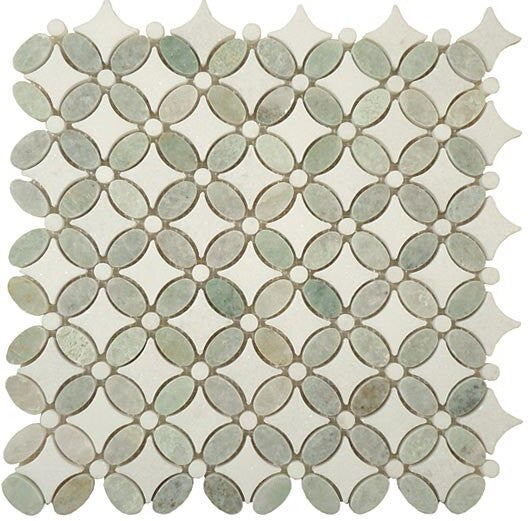
Designing a kitchen backsplash with mosaic tiles can seem overwhelming when you need both style and lasting durability. With so many choices in materials, colors, and layouts, it’s easy to worry that the finished result won’t match your vision or hold up to daily use. The right approach can make all the difference between a kitchen that feels cohesive and one that quickly shows wear. You deserve clear guidance that helps you make smart decisions at every step. From picking the most resilient materials to choosing colors and patterns that reflect your personal taste, these practical strategies will help you create a kitchen backsplash that looks beautiful and stands the test of time. Get ready to discover insights that simplify each stage of your mosaic tile project. The list below breaks down what works for real kitchens so you can move forward with confidence—and a dash of creative inspiration. Table of Contents 1. Choose The Right Mosaic Tile Material For Durability 2. Select Colors That Match Your Kitchen Style 3. Create Unique Patterns With Mosaic Tile Layouts 4. Mix And Match Tile Shapes For Visual Interest 5. Incorporate Accent Tiles For A Personal Touch 6. Ensure Proper Installation For Long-Lasting Results 7. Easy Cleaning And Maintenance Techniques For Mosaic Tiles Quick Summary Takeaway Explanation 1. Prioritize durable materials Choose ceramic or porcelain mosaic tiles for high durability and moisture resistance in kitchen backsplashes. 2. Match colors to your kitchen style Select tile colors that complement your kitchen’s aesthetic and express your personal style for visual harmony. 3. Experiment with unique patterns Use creative tile layouts, like herringbone and chevron, to add visual interest and personality to your backsplash. 4. Mix shapes for dynamic designs Combine different tile shapes to create depth and intrigue, enhancing the overall look of your kitchen backsplash. 5. Ensure professional installation Hire a skilled installer to ensure proper techniques are used, preventing future issues and maximizing the longevity of your tiles. 1. Choose the Right Mosaic Tile Material for Durability Selecting the perfect mosaic tile material for your kitchen backsplash is more than just an aesthetic choice. It’s about creating a long-lasting, resilient surface that can withstand daily wear and tear. When considering mosaic tile durability, you need to understand the critical factors that impact performance. Ceramic and porcelain tiles are top contenders for kitchen backsplashes due to their exceptional durability and moisture resistance. The tile durability standards outline specific criteria for measuring a tile’s performance. Key aspects to evaluate when choosing mosaic tile materials include: Water absorption rates Surface hardness Chemical resistance Impact tolerance Long-term wear performance Porcelain mosaic tiles offer superior durability compared to standard ceramic tiles. They feature: Lower water absorption rates Higher density Greater scratch resistance Enhanced color consistency Professional designers recommend prioritizing tile material performance over pure aesthetic appeal. Consider your kitchen’s specific usage patterns when selecting mosaic tiles. High-traffic areas require more durable materials that can resist impacts, stains, and constant cleaning. Pro tip: Always request material performance certifications and testing data before making your final mosaic tile selection for maximum long-term satisfaction. 2. Select Colors That Match Your Kitchen Style Choosing mosaic tile colors for your kitchen backsplash goes beyond mere decoration. The right color palette can transform your space and create visual harmony with your existing design elements. Your tile color selection should complement your kitchen’s overall aesthetic while expressing your personal style. 2023 colorful kitchen trends suggest using mosaic tiles as a strategic design element that ties together various design components. Color matching principles for kitchen backsplash tiles include: Analyzing existing color schemes Understanding visual weight of different hues Considering lighting conditions Balancing bold and neutral tones When selecting mosaic tile colors, consider these strategic approaches: Match dominant kitchen cabinet color Choose complementary accent colors Create visual depth with varied tile shades Use neutral tones for timeless appeal Professional designers recommend using mosaic tiles as a focal point that enhances overall kitchen aesthetics. Neutral color palettes work exceptionally well for creating versatile backsplash designs. Soft grays, warm beiges, and clean whites provide flexibility and elegance. Pro tip: Always obtain tile samples and view them in your kitchen’s actual lighting to ensure perfect color coordination and visual harmony. 3. Create Unique Patterns with Mosaic Tile Layouts Mosaic tile patterns transform an ordinary kitchen backsplash into a stunning visual masterpiece. Your tile layout is more than just a functional surface it’s an opportunity to express creativity and personal style. Designers recognize that unique tile layout patterns dramatically impact kitchen aesthetics. The strategic arrangement of mosaic tiles can create depth, movement, and visual intrigue. Mosaic tile pattern strategies include: Herringbone configurations Geometric tessellations Offset brick layouts Diagonal arrangements Mixed material combinations Popular mosaic tile layout techniques offer various design possibilities: Classic subway pattern Vertical stacked alignment Chevron design Random scatter technique Geometric honeycomb arrangement Professional designers view mosaic tile patterns as an artistic expression of kitchen personality. Bold geometric patterns work exceptionally well for contemporary kitchens. Intricate arrangements can transform a simple backsplash into a dramatic focal point. Pro tip: Purchase sample tiles and create a small mockup layout before committing to the entire backsplash to visualize how different patterns interact with your kitchen’s lighting and design. 4. Mix and Match Tile Shapes for Visual Interest Transforming your kitchen backsplash into a stunning visual canvas begins with strategic tile shape selection. By thoughtfully combining different geometric forms, you can create a dynamic and personalized design that reflects your unique style. Designers recommend mixing tile shapes and sizes to add depth and intrigue to kitchen spaces. Geometric diversity allows homeowners to break away from monotonous design patterns. Compelling tile shape combinations include: Hexagons with rectangular tiles Diamond shapes alongside traditional squares Arabesque patterns mixed with linear forms Chevron designs paired with classic subway tiles Organic curved shapes contrasting with angular geometry Strategic tile shape mixing techniques: Maintain a consistent color palette Balance complex shapes with simpler backgrounds Use grout color to enhance shape definition Create focal points with unexpected shape transitions Consider overall kitchen aesthetic when selecting combinations Creative tile shape arrangements transform backsplashes from functional surfaces to artistic statements. Bold geometric configurations can dramatically elevate kitchen design. Thoughtful shape selection communicates personality and visual sophistication. Pro tip: Always purchase sample tiles and create a small mockup to visualize how different shapes interact before committing to the full backsplash installation. 5. Incorporate Accent Tiles for a Personal Touch Accent tiles are the secret weapon of kitchen backsplash design that transform ordinary spaces into extraordinary visual experiences. These special tiles provide an opportunity to inject personality and creativity into your kitchen’s most functional area. Designers recommend creative tile applications that showcase individual style through strategic tile placement. Accent tiles create visual storytelling within your kitchen’s design narrative. Inspiring accent tile incorporation methods: Use metallic tiles as dramatic focal points Create geometric pattern interruptions Highlight specific cooking zones Introduce unexpected color transitions Mix texture and material types Strategic accent tile placement techniques: Center accent tiles behind stove areas Frame kitchen windows with unique tile designs Create vertical or horizontal design breaks Use contrasting materials sparingly Maintain overall design cohesiveness Thoughtful accent tile selection transforms backsplashes from mundane surfaces to personal design statements. Bold accent tiles communicate individuality and can elevate kitchen aesthetics from standard to spectacular. The key is maintaining balance and intentionality. Pro tip: Purchase small accent tile samples and temporarily place them in your kitchen to understand how lighting and surrounding colors interact before making a final design commitment. 6. Ensure Proper Installation for Long-Lasting Results A stunning mosaic tile backsplash can quickly become a costly mistake without proper installation techniques. The difference between a beautiful lasting design and a potential home repair nightmare lies in meticulous preparation and professional execution. Professionals emphasize tile installation standards as critical for long-term performance. Precise installation methods prevent future structural and aesthetic failures. Key installation preparation elements include: Thoroughly cleaning and leveling surfaces Selecting appropriate adhesive materials Ensuring proper substrate preparation Using correct troweling techniques Maintaining consistent mortar coverage Critical steps for successful mosaic tile installation: Inspect and repair wall surfaces before beginning Use premium grade thinset mortar Apply consistent pressure during tile placement Allow adequate curing time Implement precise grouting techniques Professional installation transforms quality tiles from mere materials into lasting design elements. Moisture resistance depends on installation quality. Professional techniques protect your investment and maintain backsplash integrity. Pro tip: Consider hiring a certified tile installer with proven experience in mosaic tile backsplash projects to guarantee optimal long-term performance. 7. Easy Cleaning and Maintenance Techniques for Mosaic Tiles Mosaic tile backsplashes are beautiful design features that require strategic maintenance to preserve their stunning appearance. Proper cleaning techniques help protect your investment and keep your kitchen looking pristine year after year. Experts recommend backsplash cleaning strategies that protect tile surfaces while maintaining their original luster. Regular maintenance prevents permanent damage and extends tile longevity. Essential cleaning techniques for mosaic tiles: Use non-abrasive cleaning solutions Avoid harsh chemical cleaners Wipe spills immediately Clean grout lines regularly Use soft microfiber cloths Step-by-step mosaic tile maintenance process: Remove loose debris with soft brush Apply gentle pH-neutral cleaner Use soft cloth for wiping Rinse thoroughly with clean water Dry surface completely Professional cleaners understand that prevention is more effective than intensive restoration. Natural stone tiles require specialized care with specific sealing and cleaning protocols. Understanding your tile type ensures proper maintenance. Pro tip: Create a monthly maintenance schedule and keep specialized cleaning supplies readily available to simplify your mosaic tile care routine. Below is a comprehensive table summarizing the best practices and considerations for kitchen backsplash designs using mosaic tiles. Aspect Details Key Considerations Material Selection Choose between ceramic and porcelain tiles for durability and moisture resistance. Porcelain offers higher density, lower water absorption, and better scratch resistance. Color Coordination Select colors matching your kitchen’s style, using dominant hues or complementary tones. Obtain samples to observe color harmony under various lighting conditions. Pattern Design Incorporate unique layouts like herringbone or geometric tessellations for visual impact. Mockup a small pattern to visualize its effect before full installation. Shape Diversity Mix geometric shapes for depth and personalization, such as hexagons or chevron designs. Keep a cohesive color palette and use grout to define shapes. Accent Tiles Use metallic or patterned tiles as focal points or design breaks. Place strategically, e.g., behind stoves or framing windows. Installation Quality Ensure proper surface preparation, adhesive selection, and professional installation. Certified installers guarantee optimal long-term performance. Maintenance Practices Use non-abrasive cleaning methods for daily care and grout maintenance. Maintain a regular cleaning schedule to extend tile lifespan. Elevate Your Kitchen Design with Stylish and Durable Mosaic Tiles Transforming your kitchen backsplash into a beautiful, lasting focal point requires carefully selecting the right materials, colors, and installation techniques. Whether you want to mix and match tile shapes for visual interest or incorporate accent tiles that reflect your personality, our curated collection of high-quality mosaic tiles at BELK Tile offers exactly what you need. Say goodbye to worries about durability and maintenance with our range of ceramic, porcelain, and glass mosaic tiles designed to withstand daily kitchen challenges while enhancing your home’s style. Discover the perfect mosaic tile solutions on our site where you can easily browse by type, color, and application to find options that suit your unique vision. Take the next step toward a stunning and functional backsplash by exploring our kitchen backsplash tile selection and accessing expert inspiration. Don’t wait to create a backsplash that combines durability, beauty, and creative flair with BELK Tile today. Frequently Asked Questions What materials are best for a mosaic tile backsplash? Choosing durable materials like ceramic or porcelain is ideal for mosaic tile backsplashes, as these options withstand moisture and heavy cleaning. Ensure that the tiles you select have low water absorption rates and high scratch resistance for long-lasting performance. How can I select colors for my mosaic tile that match my kitchen style? To create visual harmony, analyze your existing kitchen color scheme and consider colors that complement it. For a cohesive look, choose a dominant color for your tiles that matches your cabinets, and incorporate accent colors that enhance your personal style. What unique patterns can I create with mosaic tiles? You can create visually striking designs using patterns like herringbone, chevron, or geometric tessellations. Test different layouts by purchasing sample tiles and experimenting with arrangements to find the perfect fit for your kitchen’s aesthetic. How do I install mosaic tiles for the best results? Proper installation is crucial for durability. Ensure that surfaces are clean and leveled before using premium-grade adhesive and follow precise tiling techniques, allowing adequate curing time to ensure a long-lasting backsplash. What are the best maintenance practices for mosaic tile backsplashes? To keep your mosaic tile backsplashes looking pristine, use non-abrasive cleaners and wipe spills immediately. Establish a monthly cleaning routine that includes soft cloths and pH-neutral solutions to maintain their brilliance without damaging the tiles. Recommended MOSAIC TILE BACKSPLASH FOR A NEW KITCHEN 7 Unique Kitchen Backsplash Tile Ideas to Try Out The Best Backsplash Tiles For An Elegant Kitchen ADVANTAGES OF USING MOSAIC GLASS BACKSPLASH
Read more
Backsplash Tiles: Everything You Need to Know
Did you know that over 70 percent of modern kitchens feature backsplash tiles for both style and practical reasons? Spills, splashes, and steam can quickly wear down unprotected walls, leading to stains and expensive repairs. That is why understanding the purpose and variety of backsplash tiles helps homeowners find the perfect balance of protection and design flair for their kitchen or bathroom. Key Takeaways Point Details Dual Purpose of Backsplash Tiles Backsplash tiles protect walls from moisture and stains while enhancing the aesthetic appeal of kitchens and bathrooms. Variety of Materials Homeowners have multiple tile options such as ceramic, porcelain, glass, stone, and cement, each with unique benefits and aesthetic impacts. Investment Considerations When choosing backsplash tiles, consider material costs, maintenance requirements, and potential long-term value in home design. Superior Performance Backsplash tiles offer enhanced durability and design versatility compared to alternative wall treatments like paint or wallpaper, making them a smart investment. Table of Contents What Are Backsplash Tiles? Core Definition And Purpose Types Of Backsplash Tiles And Key Distinctions Primary Benefits Of Installing Backsplash Tiles Design Versatility And Style Impact In Spaces Maintenance, Durability, And Cost Considerations Comparing Backsplash Tiles To Alternative Options What Are Backsplash Tiles? Core Definition and Purpose A backsplash tile is a specialized wall covering designed to protect kitchen and bathroom surfaces from moisture, grease, and food splatter while simultaneously enhancing the aesthetic appeal of the space. According to research from home design experts, these functional design elements serve a dual purpose of protecting walls and expressing personal style. Typically installed behind sinks, stoves, and countertops, backsplash tiles create a resilient barrier against daily kitchen activities. As highlighted by research on kitchen design, these tiles shield walls from potential water damage, staining, and wear that can occur during cooking and cleaning. They act as a critical protective layer, preventing moisture from seeping into wall materials and causing long-term structural issues. Beyond their practical function, backsplash tiles are a powerful design element that can dramatically transform a room’s visual character. Homeowners can choose from an incredible range of materials, colors, and patterns to complement their existing decor. Whether you prefer sleek modern glass tiles, rustic ceramic designs, or intricate mosaic patterns, backsplash tiles offer an opportunity to inject personality into your kitchen or bathroom. Check out our guide on choosing the perfect kitchen backsplash to explore design possibilities that match your unique style. Key benefits of backsplash tiles include: Easy to clean and maintain Resistant to water and stains Protects wall surfaces from damage Adds visual interest and style to the space Available in numerous design options to suit any aesthetic Types of Backsplash Tiles and Key Distinctions Backsplash tiles come in a diverse array of materials, each offering unique characteristics and aesthetic appeal. According to research from consumer design experts, the most common types include ceramic, porcelain, glass, cement, and stone tiles, each presenting homeowners with distinctive options for protecting and beautifying their kitchen spaces. Ceramic and porcelain tiles remain popular choices due to their durability and versatility. These materials offer excellent resistance to moisture and stains, making them ideal for high-traffic kitchen areas. Glass tiles, by contrast, provide a sleek, modern look with incredible light-reflective properties that can make smaller spaces feel more open and luminous. For those seeking a more natural aesthetic, stone tiles like granite and marble offer unique patterns and textures that can transform a kitchen’s entire visual landscape. Each tile material comes with specific advantages and considerations. Stone tiles provide unparalleled natural beauty but might require more maintenance. Ceramic tiles offer affordability and easy cleaning. Glass tiles create stunning visual depth but can be more expensive. Cement tiles deliver industrial-chic looks with remarkable durability. Homeowners should consider factors like budget, maintenance requirements, cooking habits, and overall kitchen design when selecting their ideal backsplash tile. Here’s a comparison of popular backsplash tile materials and their key characteristics: Tile Material Durability Maintenance Cost per sq. ft. Style Impact Ceramic High Low $2 - $7 Versatile, Classic Porcelain Very High Very Low $3 - $10 Modern, Sleek Glass Moderate Moderate $7 - $30 Reflective, Contemporary Stone High Moderate-High $10 - $50 Natural, Unique Cement Very High Moderate $8 - $20 Industrial, Bold Key distinctions among backsplash tile types include: Ceramic: Budget-friendly, easy to clean Porcelain: Extremely durable, low maintenance Glass: Modern look, light-reflecting Stone: Natural beauty, unique patterns Cement: Industrial aesthetic, highly durable Primary Benefits of Installing Backsplash Tiles Backsplash tiles offer homeowners a multifaceted solution that goes far beyond simple wall protection. Understanding the key advantages of backsplash installations reveals why they’ve become an essential element in modern kitchen design. These versatile wall coverings provide critical functional and aesthetic benefits that transform both the practical utility and visual appeal of kitchen spaces. From a practical perspective, backsplash tiles create an impenetrable barrier against moisture, grease, and food splatter. According to home design research, these tiles protect vulnerable wall surfaces from potential water damage, staining, and long-term deterioration. Ceramic, porcelain, and glass tiles specifically offer exceptional resistance to daily kitchen challenges, ensuring walls remain pristine and structurally sound even in high-traffic cooking environments. Beyond protection, backsplash tiles serve as a powerful design element that can dramatically elevate a kitchen’s aesthetic. Homeowners can choose from an extensive range of materials, colors, and patterns to complement existing decor, effectively adding personality and visual interest to the space. This design flexibility means backsplash tiles aren’t just functional—they’re a statement piece that can significantly enhance a home’s overall visual appeal and potentially increase its market value. Key benefits of installing backsplash tiles include: Superior wall protection against moisture and stains Easy to clean and maintain Adds visual depth and personality to kitchen spaces Increases home’s aesthetic and potential resale value Provides design versatility with numerous material options Resistant to heat, grease, and daily kitchen wear and tear Design Versatility and Style Impact in Spaces Backsplash tiles represent an extraordinary canvas for personal expression, transforming ordinary kitchen and bathroom walls into stunning visual statements. According to design research, these versatile design elements offer homeowners unprecedented creative freedom to craft unique aesthetic experiences that reflect individual style and personality. Design flexibility is the hallmark of modern backsplash tiles. Exploring tile design options reveals an incredible spectrum of possibilities, from intricate mosaic patterns to sleek, minimalist arrangements. Ceramic, glass, and stone tiles can be arranged in herringbone, subway, geometric, or completely custom configurations, allowing each installation to become a personalized work of art. The ability to mix and match colors, textures, and materials means no two backsplashes need ever look identical. Beyond pure aesthetics, backsplash tiles serve as powerful design anchors that can dramatically transform a space’s entire visual narrative. A carefully selected tile can either complement existing decor or become a bold focal point that elevates the entire room’s design language. Contemporary homeowners are increasingly viewing backsplash tiles not just as functional surfaces, but as integral design elements that communicate style, mood, and personal taste. Key design versatility features include: Unlimited color and pattern combinations Ability to match multiple design styles (modern, classic, industrial) Option to create custom visual narratives Potential to dramatically transform space aesthetics Adaptable to different room sizes and layouts Opportunity for creative personal expression Maintenance, Durability, and Cost Considerations Backsplash tiles represent a significant investment in your home’s functionality and aesthetic appeal, with maintenance requirements and costs varying dramatically across different materials. Understanding the nuanced economics of tile selection is crucial for homeowners looking to balance budget, durability, and long-term value. According to consumer research, tile materials like ceramic and porcelain offer the most cost-effective and low-maintenance solutions, typically ranging from $2 to $7 per square foot. These materials provide exceptional durability, resist staining, and require minimal upkeep. Glass and natural stone tiles, while more expensive, offer unique aesthetic advantages but demand more sophisticated maintenance routines. Homeowners should anticipate higher cleaning and potential sealing requirements for these premium materials, which can impact long-term maintenance costs. The total cost of a backsplash installation extends beyond material prices, encompassing preparation, professional installation, and potential future maintenance. Ceramic tiles represent the most budget-friendly option, with complete installations averaging around $25 per square foot. More exotic materials like hand-crafted glass or premium stone can escalate costs significantly, potentially reaching $50-$100 per square foot. Smart homeowners will consider not just initial expenses, but also expected lifespan, maintenance frequency, and potential replacement costs when making their selection. Key considerations for backsplash tile investment include: Material cost per square foot Installation complexity and professional fees Expected maintenance requirements Durability and potential replacement frequency Aesthetic value and design impact Long-term performance in kitchen environments Comparing Backsplash Tiles to Alternative Options Homeowners today have multiple options for protecting and decorating kitchen walls, but backsplash tiles remain the gold standard for combining functionality and aesthetic versatility. Understanding the comparative advantages of different backsplash solutions reveals why tiles consistently outperform alternative wall treatments. Compared to painted surfaces, tile backsplashes offer dramatically superior durability and protection. Paint can chip, peel, and absorb stains quickly, whereas ceramic and porcelain tiles create a resilient barrier that withstands heat, moisture, and daily kitchen challenges. Glass splashbacks provide a sleek alternative but typically come with a significantly higher price tag and more limited design flexibility. Tiles, in contrast, offer homeowners an incredible range of colors, patterns, and textures that can be mixed and matched to create truly personalized design statements. Alternative options like stainless steel panels, acrylic splashbacks, and wallpaper might seem appealing initially, but they pale in comparison to tile’s long-term performance. Stainless steel can show fingerprints and scratches, acrylic can yellow over time, and wallpaper is vulnerable to moisture damage. Ceramic and porcelain tiles not only resist these common degradation issues but also add substantial value to a home, making them a smart investment for budget-conscious and design-savvy homeowners. Key comparisons between backsplash tiles and alternatives: Superior durability compared to paint More design versatility than glass splashbacks Better moisture resistance than wallpaper More cost-effective than custom metal panels Easier to replace and repair than integrated surfaces Adds long-term value to home design Transform Your Space With Just the Right Backsplash Tile Are you tired of worrying about moisture damage, hard-to-clean kitchen stains, or walls that just do not reflect your personal style? As discussed in the article, backsplash tiles are not only the best defense against daily wear and tear but also give you a way to express yourself. If you want your kitchen or bathroom to stand out for its durability and beauty, the right tile choice can make all the difference. Step into a world where quality meets design by browsing the extensive tile collections at BELK Tile. Discover glass mosaics, porcelain, and natural stone options that bring your vision to life. Unsure which style to choose? Let our inspiration galleries guide you or start your search with our kitchen backsplash tiles section for trending ideas. Do not wait to upgrade your home with backsplash solutions designed to last. Explore our full range of tiles now and find the perfect match for your project today. Recommended 5 of the Best Type of Tile for Backsplash 10 Expert Tips for Choosing the Perfect Kitchen Backsplash The Finest Collection of Kitchen Backsplash Tiles That Make a Difference
Read more
Complete Guide to the Role of Tile in Kitchens
Did you know that over 75 percent of kitchen renovations include new tile surfaces? The right tiles not only add character but also act as a practical shield against everyday mishaps in the busiest room of your home. Choosing the ideal kitchen tile impacts durability, hygiene, and long-term home value, making it a decision that shapes both your cooking experience and property appeal. Key Takeaways Point Details Functionality of Tiles Kitchen tiles are essential for durability, moisture protection, and cleanliness, contributing significantly to both functionality and aesthetic appeal. Material Options A variety of tile materials, such as ceramic, porcelain, and natural stone, serve distinct purposes, offering choices that balance beauty and resilience. Design Versatility Kitchen tiles offer extensive design possibilities through color, pattern, and texture, enabling homeowners to personalize their space. Cost and Maintenance Tile installation requires strategic budget planning, considering material costs and potential hidden expenses, alongside routine maintenance for longevity. Table of Contents Defining The Role Of Tile In Kitchens Types Of Kitchen Tiles And Applications Design Impact And Aesthetic Versatility Durability, Maintenance, And Lifespan Cost Considerations And Budget Planning Installation Methods And Common Mistakes Defining the Role of Tile in Kitchens Tiles in kitchens are far more than decorative surfaces—they are hardworking design elements that simultaneously protect, enhance, and transform culinary spaces. According to research from industry experts, kitchen tiles serve multiple critical functions beyond aesthetic appeal, providing practical solutions for durability, cleanliness, and long-term home value. In kitchen environments, tiles play essential protective roles. Understanding the role of tiles in kitchen design reveals their primary functions include safeguarding surfaces against moisture, heat, and daily wear. According to flooring research, tile flooring specifically resists scratches, stains, and maintains structural integrity in high-traffic areas. This resilience makes tiles an ideal choice for spaces that experience constant activity and potential spills. The versatility of kitchen tiles extends to multiple applications. Backsplash tiles, for instance, protect walls from heat, moisture, and cooking splatters while offering easy cleaning capabilities. Durable materials like ceramic, porcelain, glass, and stone not only preserve the kitchen’s appearance but also reduce the frequency of necessary repairs. By choosing the right tiles, homeowners can create spaces that are both visually appealing and functionally superior. Beyond protection, kitchen tiles contribute significantly to a home’s aesthetic and market value. Their timeless appeal, combined with practical benefits like hygienic surfaces and easy maintenance, makes them an investment that transcends mere decoration. Whether used for flooring, backsplashes, or accent walls, tiles transform kitchens from simple cooking areas into stylish, resilient spaces that stand up to daily challenges. Types of Kitchen Tiles and Applications Kitchen tiles come in a diverse array of materials, each offering unique characteristics that make them suitable for different applications and design preferences. Ceramic tiles remain a popular choice, providing an affordable and versatile option for homeowners looking to balance functionality with aesthetic appeal. Porcelain tiles stand out as a premium option for kitchen surfaces. According to research, these tiles are exceptionally dense and low-porosity, making them ideal for both wet and dry areas. Which types of tile are best for kitchen flooring reveals that porcelain tiles are vitrified, harder than ordinary ceramic tiles, and offer superior durability. Their remarkable resistance to moisture and wear makes them perfect for high-traffic kitchen environments. Beyond porcelain and ceramic, homeowners can explore a range of tile options. Natural stone tiles like granite, marble, and slate bring unique textures and elegant aesthetics to kitchen spaces. Glass tiles offer a sleek, modern look and are particularly popular for backsplashes, providing a reflective surface that can make kitchens feel more spacious and bright. Specialty tiles including handmade ceramic, mosaic, and designer collections allow for personalized design expressions. Each tile type serves specific functional and decorative purposes. Kitchen floor tiles need maximum durability and slip resistance, while backsplash tiles prioritize easy cleaning and visual impact. By understanding the characteristics of different tile materials, homeowners can make informed decisions that balance practical needs with design aspirations, transforming their kitchen into a beautiful and resilient space. Here’s a comparison of common kitchen tile materials and their key characteristics: Tile Type Durability Maintenance Typical Applications Ceramic Good Easy FloorsBacksplashes Porcelain Excellent Very Easy FloorsWallsWet areas Natural Stone Very Good Moderate to High FloorsAccent wallsBacksplashes Glass Good Easy BacksplashesAccent areas Design Impact and Aesthetic Versatility Tiles are more than just functional surfaces in kitchens—they are powerful design elements that can dramatically transform the entire visual landscape of a culinary space. Kitchen tiles offer an extraordinary range of design possibilities, acting as both a practical solution and a creative canvas for personal expression. Color and pattern play crucial roles in tile design, allowing homeowners to create everything from subtle, understated backgrounds to bold, statement-making focal points. What is the Best Tile for Kitchen Backsplashes highlights how strategic tile selection can completely reshape a kitchen’s aesthetic. Neutral tones can create a sense of spaciousness and calm, while vibrant colors and intricate patterns can inject personality and energy into the cooking environment. The versatility of tiles extends beyond color and pattern. Different tile layouts—such as herringbone, subway, or geometric arrangements—can create unique visual rhythms and architectural interest. Texture also plays a significant role, with options ranging from smooth, glossy surfaces that reflect light to rustic, textured tiles that add depth and tactile complexity to kitchen spaces. Ultimately, kitchen tiles represent an intersection of art and function. They are not just surface coverings but design statements that reflect personal style, complement existing décor, and create a cohesive visual narrative. Whether aiming for a minimalist modern look, a warm traditional feel, or an eclectic artistic expression, the right tile selection can transform a kitchen from a mere cooking area into a truly personalized living space. Durability, Maintenance, and Lifespan Kitchen tiles represent a significant investment in home infrastructure, offering exceptional durability that far surpasses many alternative surface materials. Tile durability is determined by multiple factors, including material composition, manufacturing quality, and proper installation techniques, which collectively contribute to their remarkable longevity and performance in high-traffic kitchen environments. Different tile materials showcase varying levels of resilience and maintenance requirements. 5 of the Best Type of Tile for Backsplash illustrates how ceramic and porcelain tiles excel in withstanding daily kitchen challenges. Porcelain tiles, in particular, demonstrate superior resistance to scratches, stains, and moisture, making them ideal for areas prone to spills, heat exposure, and constant cleaning. Maintenance plays a critical role in extending tile lifespan. Regular cleaning with appropriate pH-neutral cleaners, prompt addressing of grout lines, and avoiding abrasive cleaning tools can significantly preserve tile appearance and structural integrity. Homeowners should implement routine maintenance strategies like sealing natural stone tiles, using soft microfiber cloths, and preventing standing water to minimize potential damage and maintain aesthetic appeal. The long-term value of kitchen tiles extends beyond their physical durability. A well-maintained tile installation can last decades, potentially increasing home value and providing a timeless design element that withstands changing interior trends. By selecting high-quality tiles and implementing consistent care, homeowners can create kitchen surfaces that remain beautiful, functional, and resilient through years of daily use. Cost Considerations and Budget Planning Understanding the financial investment required for kitchen tiling is crucial for homeowners planning a renovation or design update. Kitchen tile projects encompass a wide range of cost considerations, from material selection to installation expenses, making comprehensive budget planning essential for a successful home improvement endeavor. According to detailed research, kitchen tiling costs can vary dramatically. Material expenses range from $1 to $20+ per square foot, depending on the tile type and quality selected. Which Types of Tile are best for Kitchen Flooring highlights that labor costs typically add an additional $4 to $12 per square foot. This means a complete kitchen tiling project can range from $1,800 to $10,400, with total expenses influenced by factors like kitchen size, tile complexity, and potential substrate repairs. Budget-conscious homeowners should consider several strategic approaches to manage costs. Mixing high-end accent tiles with more affordable base tiles can create visual interest while controlling overall expenses. Ceramic and porcelain tiles often provide the best balance between cost-effectiveness and durability, offering long-term value that justifies initial investment. Additional cost-saving strategies include purchasing tiles during sales, selecting standard sizes that reduce cutting waste, and considering DIY installation for those with moderate home improvement skills. Beyond material and labor costs, smart budgeting involves anticipating hidden expenses. Substrate preparation, removal of existing flooring, grout and adhesive materials, and potential structural repairs can significantly impact the total project budget. Homeowners should typically allocate an additional 10-20% of the estimated cost for unexpected expenses, ensuring financial flexibility and preventing project delays. Installation Methods and Common Mistakes Successful kitchen tile installation requires more than just aesthetic selection—it demands precision, preparation, and technical understanding. Tile installation is a complex process that can make or break the entire kitchen renovation project, with each step presenting potential challenges that can compromise the final result. Preparation is the foundation of successful tile installation. According to industry research, proper subfloor preparation involves removing old tiles, installing cement backer board (which costs approximately $5–$8 per square foot), and addressing any underlying structural issues. 5 of the Best Type of Tile for Backsplash emphasizes the critical nature of creating a smooth, level surface before tile placement. Professional installers recommend thorough cleaning, ensuring structural integrity, and using appropriate underlayment materials to prevent future complications. Common installation mistakes can significantly impact the longevity and appearance of kitchen tiles. Grouting errors are particularly problematic, with issues ranging from uneven application to using incorrect grout types. Homeowners should be cautious about over-watering grout mix, applying grout too quickly, and neglecting to seal grout lines properly. These mistakes can lead to premature deterioration, moisture penetration, and compromised tile performance. Precise mixing, careful application, and appropriate sealing are essential to creating a durable and attractive tile surface. Professional installation offers advantages that DIY approaches often cannot match. While labor costs average around $10 per square foot, experienced installers bring expertise in managing complex layouts, addressing substrate challenges, and ensuring proper alignment and spacing. For homeowners considering DIY installation, investing time in thorough research, acquiring proper tools, and understanding detailed installation techniques can help mitigate potential errors and achieve professional-quality results. Transform Your Kitchen with Solutions that Last After learning about the importance of tile durability, maintenance, and aesthetic versatility from our Complete Guide to the Role of Tile in Kitchens, you may be feeling the weight of choosing the perfect tile for your space. Concerns like finding resilient materials for a high-traffic kitchen, creating a beautiful backsplash, or sticking to a realistic budget are common pain points for homeowners and designers alike—all raised in the article. You want stylish options that hold up to daily wear and make cleaning simple, but confusing choices and installation mistakes can quickly derail your vision. Ready to solve these challenges and bring your kitchen to life? Discover the BELK Tile collection, where you can browse a curated range of tile options for every kitchen need including glass mosaic, porcelain, ceramic, and natural stone. Each product is showcased with detailed images, pricing, and easy-to-use filtering tools so you can select your favorite style with confidence. Now is the perfect time to start your kitchen transformation—explore BELK Tile today and make your dream kitchen a reality. Recommended Understanding the Role of Tiles in Kitchen Design Which Types of Tile are best for Kitchen Flooring? Choosing Bold Kitchen Tile Designs With Flawless Coordination What is the Best Tile for Kitchen Backsplashes? Kitchen Refurbishing Explained: Processes and Benefits
Read more
Why Install Backsplash Tile? Understanding Its Benefits
Backsplash tile is that sleek layer you see behind kitchen counters and stoves, and most people think it is just for adding a pop of color. But here is something people miss. Ceramic, glass, and porcelain backsplash tiles can actually stop moisture, grease, and food from ruining your walls, making kitchens far easier to keep clean. That protective power matters more than you might guess, and the right tile choice could even help prevent mold in your home. Table of Contents Understanding Backsplash Tile: What Is It? Defining The Purpose Of Backsplash Tiles Construction And Material Considerations The Importance Of Backsplash Tile In Design Visual Impact And Design Versatility Transforming Spaces Through Strategic Design Functional Benefits Of Installing Backsplash Tile Wall Protection And Durability Maintenance And Hygiene Benefits Materials And Styles: Choosing The Right Backsplash Popular Backsplash Tile Materials Design Styles And Aesthetic Considerations Real-World Applications: Backsplash Tile In Homes And Businesses Residential Space Implementations Commercial And Professional Environments Quick Summary Takeaway Explanation Backsplash tiles protect walls They safeguard against moisture, grease, and food splatters that can damage underlying surfaces. Material selection impacts performance Choose tiles based on durability, moisture resistance, and ease of cleaning to maximize functionality. Tiles enhance aesthetic appeal Various colors, patterns, and textures allow homeowners to create a unique design statement. Easy maintenance is essential Non-porous surfaces of ceramic and glass tiles facilitate quick cleaning and promote hygiene. Versatile applications exist Backsplash tiles are suitable for kitchens, bathrooms, and commercial spaces needing aesthetic and functional benefits. Understanding Backsplash Tile: What Is It? A backsplash tile is a protective and decorative wall covering typically installed in areas prone to splashes, moisture, and food debris like kitchen walls behind stoves, sinks, and countertops. Discover the best tile types for your backsplash to enhance both functionality and aesthetic appeal. Defining the Purpose of Backsplash Tiles Backsplash tiles serve multiple critical functions beyond mere visual enhancement. These specialized wall coverings are engineered to provide robust protection against moisture, grease, and food splatters that can damage underlying wall surfaces. Ceramic, porcelain, and glass tiles are particularly effective in creating a durable barrier that prevents water penetration and makes cleaning significantly easier. The primary purposes of backsplash tiles include: Protecting wall surfaces from moisture and stains Providing easy-to-clean surface for high-traffic kitchen areas Adding decorative visual interest to kitchen and bathroom spaces Construction and Material Considerations Backsplash tiles are manufactured through precise processes that ensure durability and aesthetic versatility. According to National Kitchen and Bath Association, quality backsplash tiles undergo rigorous testing to withstand daily kitchen and bathroom environments. Manufacturers select materials with specific properties like low water absorption, high resistance to temperature variations, and superior durability. The selection of backsplash tile materials depends on several factors including location, exposure to moisture, cleaning requirements, and desired aesthetic. Common materials range from traditional ceramic and porcelain to more contemporary options like glass, natural stone, and metallic finishes. Each material offers unique characteristics that impact both performance and visual appeal. The table below compares common backsplash tile materials based on their performance, maintenance, and design attributes to help guide informed selection. Material Durability Moisture Resistance Ease of Cleaning Design Versatility Ceramic High High Very easy Wide range of styles Porcelain Very high Excellent Very easy Many colors/patterns Glass Moderate-High Excellent Very easy Reflective, modern Natural Stone Variable Moderate Moderate, may stain Unique textures Metallic Moderate High Easy Sleek, contemporary By understanding the fundamental purpose and construction of backsplash tiles, homeowners can make informed decisions that balance practical functionality with design excellence. Here is a summary of the main functional and design benefits of installing backsplash tile, showcasing how it transforms both kitchens and bathrooms. Benefit Functional Impact Design Impact Wall Protection Shields against moisture, grease, and food splatters Preserves wall and structural health Easy Maintenance Non-porous surfaces are simple to wipe clean Supports kitchen hygiene Mold & Mildew Prevention Reduces risk of mold in high-moisture areas Lowers long-term upkeep needs Aesthetic Enhancement N/A Adds color, texture, and personality Design Versatility N/A Wide choice of patterns and finishes Long-Term Durability Withstands daily kitchen and bathroom use Maintains beauty over years The Importance of Backsplash Tile in Design Backsplash tiles are not merely functional elements but powerful design statements that transform kitchen and bathroom aesthetics. Explore expert tips for selecting the perfect kitchen backsplash to elevate your interior design vision. Visual Impact and Design Versatility In interior design, backsplash tiles serve as a critical visual anchor that can dramatically alter a room’s perceived style and atmosphere. Color, pattern, and texture play pivotal roles in creating visual interest and connecting different design elements. Whether choosing subtle neutral tones or bold geometric patterns, backsplash tiles offer remarkable design flexibility. Design considerations for backsplash tiles include: Creating visual continuity with countertops and cabinetry Introducing color and texture without major renovation Reflecting personal design aesthetic and home style Transforming Spaces Through Strategic Design According to Houzz design experts, backsplash tiles are transformative design elements that can make spaces feel larger, brighter, and more cohesive. By strategically selecting tile materials, colors, and layouts, homeowners can create optical illusions that enhance spatial perception. For instance, light-colored glass tiles can reflect more light and create an expansive feeling, while vertically laid subway tiles can make ceilings appear higher. Metallic or reflective tiles introduce dimension and movement, breaking monotonous wall surfaces and adding depth to kitchen and bathroom environments. The strategic selection of backsplash tiles represents a sophisticated approach to interior design, where functionality meets artistic expression. Functional Benefits of Installing Backsplash Tile Backsplash tiles are engineered solutions that provide far more than aesthetic appeal. Learn about the advantages of ceramic tile backsplashes to understand their comprehensive functional benefits. Wall Protection and Durability One of the primary functional advantages of backsplash tiles is their exceptional ability to protect wall surfaces from potential damage. Moisture, grease, and food splatters can quickly deteriorate standard painted walls, leading to staining, mold growth, and structural degradation. Backsplash tiles create an impenetrable barrier that shields walls from these destructive elements. Key protective features include: Resistance to water penetration Prevention of mold and mildew development Easy removal of grease and food residue Long term preservation of wall integrity Maintenance and Hygiene Benefits According to This Old House renovation experts, backsplash tiles offer unparalleled ease of cleaning and maintenance. Unlike porous surfaces that trap bacteria and require intensive scrubbing, ceramic, glass, and porcelain tiles feature smooth, non absorbent surfaces that can be quickly wiped clean with minimal effort. The hygienic properties of backsplash tiles make them ideal for areas with high moisture and food preparation activities. Smooth tile surfaces prevent bacterial accumulation, reducing potential health risks associated with difficult to clean wall coverings. Homeowners can maintain a cleaner, more sanitary kitchen environment with strategic tile selection. By combining robust protection, effortless maintenance, and superior durability, backsplash tiles represent a smart investment in both home aesthetics and functional performance. Materials and Styles: Choosing the Right Backsplash Selecting the perfect backsplash tile involves balancing aesthetic preferences with practical performance requirements. Explore elegant kitchen backsplash tile solutions to discover the ideal match for your design vision. Popular Backsplash Tile Materials Ceramic and porcelain tiles remain the most versatile and popular backsplash materials, offering exceptional durability and design flexibility. These materials come in countless colors, patterns, and textures, enabling homeowners to create unique visual statements while maintaining practical functionality. Key material considerations include: Durability and wear resistance Moisture and stain repellent properties Ease of cleaning and maintenance Cost effectiveness Design versatility Design Styles and Aesthetic Considerations Backsplash tiles can dramatically transform kitchen and bathroom aesthetics by introducing visual depth, color, and texture. From classic subway tiles to intricate mosaic patterns, the design possibilities are virtually limitless. Contemporary designs often feature large format tiles, geometric patterns, and unexpected color combinations that create striking visual impact. According to National Park Service preservation guidelines, material selection should consider not just aesthetic appeal but long term performance and compatibility with existing architectural elements. Homeowners should evaluate how different tile materials and styles integrate with existing countertops, cabinetry, and overall room design. The strategic selection of backsplash tiles represents a nuanced design decision that balances personal style, functional requirements, and long term visual harmony. Real-World Applications: Backsplash Tile in Homes and Businesses Backsplash tiles transcend residential spaces, finding critical applications in diverse environments that demand both functionality and aesthetic appeal. Discover the latest tile trends and insights to understand their versatile potential. Residential Space Implementations Kitchens and bathrooms represent the primary domains where backsplash tiles showcase their transformative potential. Homeowners leverage these specialized wall coverings to create visually stunning yet highly practical surfaces that withstand daily wear and moisture exposure. From cooking areas prone to grease splatters to bathroom walls experiencing constant humidity, backsplash tiles provide robust protection while maintaining aesthetic elegance. Key residential application areas include: Kitchen cooking zones behind stoves and countertops Bathroom walls surrounding sinks and shower enclosures Laundry room utility spaces Wet bar and entertainment areas Outdoor kitchen installations Commercial and Professional Environments According to National Park Service preservation guidelines, tile backsplashes play crucial roles in commercial settings where sanitation and durability are paramount. Restaurants, medical facilities, commercial kitchens, and public restrooms rely on backsplash tiles to meet stringent hygiene standards and withstand intensive daily use. Professional environments benefit from backsplash tiles through: Easy sanitization and cleaning protocols Resistance to chemical cleaning agents Compliance with health and safety regulations Long term durability under high traffic conditions Professional and polished aesthetic appearance By bridging aesthetic sophistication with practical performance, backsplash tiles demonstrate remarkable versatility across residential and commercial landscapes. Bring Your Dream Backsplash Project to Life with BELK Tile Have you ever worried about stubborn stains, moisture damage, or outdated designs in your kitchen or bathroom? The article highlights how the right backsplash tile solves these everyday problems through protection, durability, and stunning style. You do not have to settle for wall surfaces that are hard to clean or lack personality. With BELK Tile, you gain access to a world of high-quality tile solutions tailored to protect your space while elevating its look. Discover everything from vibrant glass mosaic and timeless ceramic to modern porcelain and natural stone—each option designed to combine easy maintenance with visual impact. Are you ready to transform your kitchen or bathroom into a space that looks beautiful and stays protected for years? Explore our extensive inspiration and ideas to find the perfect match for your next project. Visit BELK Tile’s homepage now and experience how easy it can be to shop, filter, and upgrade your home with tiles that deliver real results. Shop today and make your renovation goals a reality. Recommended YOU SHOULD CONSIDER CERAMIC TILE FOR BACKSPLASH MOSAIC TILE BACKSPLASH FOR A NEW KITCHEN 5 of the Best Type of Tile for Backsplash
Read more
Understanding the Role of Tiles in Kitchen Design
Tiles shape the atmosphere of every kitchen and offer more than just a pretty surface. Kitchens with tile floors or backsplashes can last decades longer because properly installed tiles can extend the lifespan of kitchen surfaces by years. Most people think tiles are just for looks or easy cleaning but they actually transform an ordinary kitchen into a space that seamlessly blends protection, style, and safety all at once. Table of Contents What Are Tiles And Their Purpose In Kitchen Design The Fundamental Characteristics Of Kitchen Tiles Functional And Aesthetic Roles In Kitchen Design Why Tiles Matter: Aesthetic, Practical, And Safety Aspects The Aesthetic Dimensions Of Kitchen Tiles Practical And Safety Considerations How Different Tile Materials Affect Kitchen Functionality Ceramic And Porcelain Tiles: The Standard Bearers Natural Stone And Specialty Tiles: Advanced Performance Characteristics Exploring Tile Placement: Patterns, Layouts, And Visual Impact Strategic Tile Layout Principles Visual Impact And Spatial Manipulation Real-World Examples: Successful Kitchen Designs With Tiles Contemporary Kitchen Transformation Strategies Case Study: Integrated Design Approaches Quick Summary Takeaway Explanation Tiles enhance kitchen function and aesthetics Tiles provide durable protection and visual appeal to kitchen surfaces, making them essential in design. Material choice impacts kitchen performance Different tile materials, like ceramic and porcelain, offer unique benefits affecting durability and maintenance. Strategic tile layout alters spatial perception Tile arrangement can visually expand or contract spaces, influence movement, and create focal points in the kitchen. Textured tiles improve safety Textured surfaces reduce slip risks, while non-porous tiles prevent bacteria, enhancing hygiene and safety in kitchens. Innovative tile designs create impact Modern designs utilize bold patterns and materials, transforming kitchens into personalized and visually striking environments. What Are Tiles and Their Purpose in Kitchen Design Tiles are versatile surface materials that play a critical role in kitchen design, offering both functional protection and aesthetic enhancement. According to architectural research, tiles have been fundamental in kitchen environments for centuries, providing durable, hygienic surfaces that withstand daily wear and demanding conditions. The Fundamental Characteristics of Kitchen Tiles At their core, tiles are manufactured materials typically made from ceramic, porcelain, natural stone, or glass, designed to create smooth, seamless surfaces that can cover walls, floors, and countertops. Their primary attributes include: High durability and resistance to moisture Easy to clean and maintain Capable of withstanding temperature variations Available in diverse designs, colors, and textures These characteristics make tiles an exceptional choice for kitchen spaces, where surfaces must endure frequent cleaning, potential spills, heat exposure, and constant foot traffic. Research indicates that properly installed tiles can significantly extend the functional lifespan of kitchen surfaces. Functional and Aesthetic Roles in Kitchen Design Tiles serve dual purposes in kitchen environments. Functionally, they protect underlying surfaces from moisture, stains, and physical damage. Aesthetically, they introduce visual interest, color, and personality to the space. Homeowners can read more about bold kitchen tile design strategies to transform their kitchen’s visual appeal. Whether used as backsplashes, flooring, or wall cladding, tiles offer homeowners unprecedented design flexibility. They can create focal points, establish design themes, and complement overall kitchen aesthetics while providing critical protective functions. Their adaptability makes them an indispensable element in modern kitchen design, bridging the gap between practical necessity and artistic expression. Why Tiles Matter: Aesthetic, Practical, and Safety Aspects Tiles are far more than simple decorative elements in kitchen design. They represent a complex intersection of form, function, and safety, delivering multifaceted benefits that extend well beyond surface appearance. Building design experts emphasize the critical role materials play in creating environments that are both beautiful and resilient. The Aesthetic Dimensions of Kitchen Tiles Visual impact remains a primary consideration when selecting kitchen tiles. They serve as design elements that can dramatically transform a space, offering: Color coordination and visual harmony Opportunities for personal expression Ability to create focal points and visual interest Capacity to complement or contrast existing design elements From minimalist monochromatic designs to intricate mosaic patterns, tiles provide homeowners unprecedented creative freedom in defining their kitchen’s visual narrative. Explore bold kitchen tile design strategies to understand how strategic tile selection can revolutionize kitchen aesthetics. Practical and Safety Considerations Beyond aesthetics, tiles deliver crucial practical advantages that make them indispensable in kitchen environments. Their engineered composition provides robust protection against moisture, heat, and mechanical stress. Scientific research demonstrates that properly selected and installed tiles can significantly enhance kitchen surface durability and hygiene. Safety emerges as another critical aspect of tile selection. Textured surfaces can minimize slip risks, while non-porous materials prevent bacterial growth and simplify cleaning. Tiles act as a protective barrier, shielding underlying structures from potential damage caused by spills, temperature fluctuations, and daily wear. Ultimately, tiles represent a sophisticated solution that harmonizes aesthetic preferences with practical requirements, transforming kitchens into spaces that are simultaneously beautiful, functional, and safe. How Different Tile Materials Affect Kitchen Functionality The performance of kitchen tiles hinges critically on their material composition, with each type offering unique characteristics that influence durability, maintenance, and aesthetic appeal. Material science research reveals that the selection of tile material can dramatically impact a kitchen’s long-term functionality and design potential. Ceramic and Porcelain Tiles: The Standard Bearers Ceramic and porcelain tiles represent the most common materials in kitchen design, each presenting distinctive advantages. Ceramic tiles are crafted from clay and fired at lower temperatures, making them: More affordable Lighter in weight Available in extensive color ranges Suitable for moderate traffic areas Porcelain tiles, a more refined subset of ceramic, undergo higher-temperature firing, resulting in superior density and lower water absorption. Learn more about kitchen flooring tile options to understand how material selection impacts overall kitchen performance. Natural Stone and Specialty Tiles: Advanced Performance Characteristics Natural stone tiles like granite, marble, and slate introduce exceptional durability and unique aesthetic qualities. These materials offer: Exceptional heat resistance Natural variation in color and texture High-end visual appeal Superior longevity when properly maintained Specialty tiles such as glass and metal provide additional design flexibility, allowing homeowners to create distinctive visual statements while maintaining functional integrity. Each material brings specific thermal, moisture-resistance, and aesthetic properties that can transform kitchen spaces. Below is a comparison table outlining the core characteristics, benefits, and ideal uses of common kitchen tile materials discussed in the article. Tile Material Key Characteristics Benefits Ideal Use Cases Ceramic Fired at lower temperatures, less dense Affordable, lightweight, diverse colors Backsplashes, wall tiles Porcelain Fired at higher temperatures, highly dense, low absorption Very durable, low water absorption, versatile Floors, high-traffic areas Natural Stone Unique color/texture variation, natural material Heat-resistant, luxurious look, long-lasting Countertops, floors Glass Non-porous, reflective, vibrant colors Easy to clean, modern aesthetics, resists stains Backsplashes, accents Metal Durable, industrial look Modern design, heat resistant Backsplashes, accents Understanding the nuanced characteristics of different tile materials empowers homeowners to make informed decisions that balance visual preferences with practical performance requirements, ensuring their kitchen remains both beautiful and functional for years to come. Exploring Tile Placement: Patterns, Layouts, and Visual Impact Tile placement transcends mere surface coverage, representing a sophisticated design strategy that dramatically transforms kitchen aesthetics and spatial perception. Architectural design experts emphasize that strategic tile arrangement can fundamentally alter a room’s visual dynamics and perceived dimensions. Strategic Tile Layout Principles Tile patterns serve as powerful visual tools that can manipulate spatial perception and create dynamic design narratives. Different layouts offer unique visual experiences, influencing how space is perceived and experienced. Key strategic layout approaches include: Linear grid patterns creating sense of order Diagonal arrangements expanding perceived space Herringbone designs introducing dynamic movement Basketweave patterns adding textural complexity Learn more about tile pattern design strategies to understand how precise placement can transform kitchen environments. Visual Impact and Spatial Manipulation The psychological impact of tile placement extends beyond aesthetic considerations. Specific pattern choices can visually expand or contract spaces, create focal points, and guide visual movement. Horizontal layouts can make narrow kitchens appear wider, while vertical arrangements can create an illusion of height. Color and tile size further amplify these spatial manipulation techniques. Large-format tiles with minimal grout lines create seamless, expansive surfaces, whereas smaller mosaic tiles introduce intricate visual texture. By carefully selecting tile size, orientation, and pattern, homeowners can craft kitchen spaces that feel more spacious, cohesive, and visually engaging. This table summarizes the main ways different tile patterns and layouts impact kitchen aesthetics and spatial perception as mentioned in the guide. Tile Pattern/Placement Visual Effect Spatial Perception Manipulation Typical Application Linear Grid Clean, uniform appearance Orderly, makes space feel structured Floors, walls Diagonal Dynamic, bold Makes smaller spaces look larger Floors, accent walls Herringbone Stylish, complex movement Visual motion, expanded depth Backsplashes, floors Basketweave Textural, intricate Adds visual interest and complexity Walls, statement areas Horizontal Orientation Wide, open look Makes narrow kitchens appear wider Backsplashes, walls Vertical Orientation Tall, elongated feel Creates illusion of height Small kitchens, feature walls Large-format Tiles Seamless, minimal grout lines Feels expansive and cohesive Floors, contemporary designs Mosaic/Small Tiles Highly detailed texture Focal points, intricate accents Backsplashes, borders Ultimately, tile placement represents a nuanced design language that balances functional requirements with aesthetic expression, transforming kitchens from mere cooking spaces into visually compelling environments. Real-World Examples: Successful Kitchen Designs with Tiles Successful kitchen tile designs demonstrate how strategic material and placement choices can transform ordinary spaces into extraordinary culinary environments. Historic preservation research reveals that thoughtful tile selection goes beyond aesthetic appeal, creating functional and visually compelling kitchen spaces. Contemporary Kitchen Transformation Strategies Modern kitchen designs showcase innovative approaches to tile integration, balancing functionality with aesthetic sophistication. Homeowners and designers are increasingly using tiles to create dynamic visual narratives that reflect personal style and practical requirements. Key transformation strategies include: Creating bold statement backsplashes Using monochromatic tile schemes for minimalist elegance Implementing textural contrast through mixed material applications Developing visual depth through strategic color gradients Explore unique kitchen backsplash design ideas to understand how innovative tile choices can revolutionize kitchen aesthetics. Case Study: Integrated Design Approaches Real-world kitchen renovations demonstrate the transformative power of intelligent tile selection. Modern designs frequently utilize large-format porcelain tiles to create seamless surfaces that minimize grout lines and enhance visual continuity. Designers are increasingly selecting tiles that serve multiple functions: providing thermal resistance, enabling easy cleaning, and contributing to the overall design narrative. From industrial-inspired spaces featuring concrete-look tiles to traditional kitchens embracing classic ceramic patterns, successful tile implementations reflect a nuanced understanding of material properties, spatial dynamics, and personal aesthetic preferences. These designs prove that tiles are not merely surface coverings but integral components of a holistic kitchen design strategy. Transform Your Kitchen Vision into Reality with BELK Tile Are you feeling overwhelmed by the challenge of choosing the perfect tile that blends style, safety, and durability for your kitchen? The article explored how tile selection and placement can shape the look, feel, and function of your space. It also pointed out the struggle many face in finding the right materials that offer both beauty and long-lasting performance. At BELK Tile, we understand these concerns and have created a platform where you can explore a stunning range of options that reflect the very best in kitchen tile innovation. Browse our extensive collection of kitchen tiles and see how our ceramic, porcelain, glass mosaic, and natural stone offerings can solve your unique design problems. Ready to create a kitchen that is safe, easy to maintain, and visually inspiring? Visit BELK Tile’s website today. Find the ideal tile to complete your kitchen transformation—begin your journey and experience the difference now. Frequently Asked Questions What are the benefits of using tiles in kitchen design? Tiles offer high durability, resistance to moisture, easy cleaning, and a wide variety of designs, colors, and textures, making them ideal for both functionality and aesthetic appeal in kitchens. How do different tile materials affect kitchen functionality? Different tile materials, such as ceramic, porcelain, and natural stone, provide varying levels of durability, maintenance requirements, and aesthetic qualities, impacting their suitability for different kitchen applications. What role do tiles play in kitchen safety? Tiles can enhance kitchen safety by providing textured surfaces to minimize slip risks and using non-porous materials that prevent bacterial growth, making them easy to clean and maintain hygiene. How can tile placement influence the visual dynamics of a kitchen? Tile placement and patterns can significantly manipulate spatial perception, create focal points, and enhance the overall visual dynamics of a kitchen, making spaces feel larger or more cohesive depending on the arrangement. Recommended Which Types of Tile are best for Kitchen Flooring? Choosing Bold Kitchen Tile Designs With Flawless Coordination What is the Best Tile for Kitchen Backsplashes? 6 REASONS FOR SETTING THE BAR HIGH FOR TILE
Read more
7 Best Kitchen Backsplash Tiles for Your Home Design
Picking a kitchen backsplash might seem like a simple design choice, but one detail changes everything. Ceramic tiles still account for over half of all kitchen backsplash installations in the US, thanks to their blend of durability and affordability. Surprising? The real twist is that the right tile material or color can make a small kitchen feel bigger, totally transform the vibe, or even save you hours of cleaning each month. Here’s how to choose a backsplash that works as hard as you do. Table of Contents Understand Backsplash Tile Materials Explore Popular Tile Styles Consider Size And Scale In Your Kitchen Choose The Right Color For Your Space Learn About Maintenance And Durability Match Your Backsplash With Countertops Installation Tips For Best Results Quick Summary Takeaway Explanation Choose durable tile materials Opt for ceramic or porcelain tiles for their resistance to scratches, stains, and moisture, ensuring long-term ease of maintenance. Select a suitable tile style Consider geometric patterns or oversized tiles for contemporary design; styles dramatically affect your kitchen’s overall visual impact. Coordinate colors and textures Match tile colors with countertops to create visual harmony while considering light effects on color perception throughout the day. Focus on proper installation techniques Ensure walls are prepared, measurements are accurate, and appropriate tools are used for a professional finish and lasting results. Evaluate maintenance needs Understand that materials like natural stone require more upkeep; choose based on your cooking habits and lifestyle for practicality. 1: Understand Backsplash Tile Materials Choosing the right kitchen backsplash tile requires understanding the unique characteristics and performance of different materials. When selecting tiles, homeowners must consider factors like durability, maintenance, aesthetics, and budget. A Buyer’s Guide to Kitchen Backsplash Tiles can help you navigate these considerations. Tile materials vary significantly in their composition, appearance, and functional properties. According to research from the Healthy Materials Lab, ceramic tiles remain a popular choice due to their versatility and affordability. However, modern homeowners have several compelling options to explore. Key tile materials for kitchen backsplashes include: Ceramic Tiles: Affordable, versatile, and available in countless colors and designs Porcelain Tiles: Extremely dense, highly resistant to moisture and stains Glass Tiles: Contemporary appearance, excellent light reflection, easy to clean Natural Stone Tiles: Unique patterns, luxurious aesthetic, requires more maintenance Each material brings distinct advantages to your kitchen design. Ceramic tiles offer budget friendly versatility, while porcelain tiles provide superior durability. Glass tiles create a modern, luminous effect, and natural stone tiles deliver unparalleled organic beauty. Consider your specific kitchen environment when selecting backsplash tiles. Factors like cooking frequency, cleaning habits, and overall kitchen design will influence your ideal material choice. A thoughtful selection ensures both aesthetic appeal and long term functionality. 2: Explore Popular Tile Styles Tile styles transform kitchen backsplashes from simple functional surfaces into stunning design statements. Contemporary homeowners have an incredible array of design options that can dramatically enhance their kitchen’s visual appeal. Tile Patterns and Designs: Elevate Your Home’s Aesthetics offers comprehensive insights into these transformative design possibilities. According to research from the National Kitchen & Bath Association, several exciting tile styles are currently dominating kitchen design trends: Geometric Patterns: Dynamic, contemporary designs that create visual movement Large Format Tiles: Sleek, seamless surfaces with minimal grout lines Textured Dimensional Tiles: Adding depth and tactile interest to kitchen walls Subway Tiles remain a classic choice, offering timeless elegance with their rectangular shape and clean lines. Modern variations include oversized subway tiles, vertical installations, and colored alternatives that move beyond traditional white. Herringbone and chevron patterns provide sophisticated geometric interest, creating dynamic visual texture that draws the eye. Color and material selections significantly impact tile style. Bold, saturated colors can create dramatic focal points, while neutral tones provide versatile backdrops for changing kitchen decor. Metallic finishes and iridescent glass tiles introduce luxurious, contemporary elements that reflect light and add sophisticated shimmer to kitchen spaces. Ultimately, selecting a tile style is about balancing personal aesthetic preferences with practical kitchen design considerations. The right backsplash tile can elevate your kitchen from merely functional to truly extraordinary. 3: Consider Size and Scale in Your Kitchen Selecting the right tile size and scale can dramatically transform your kitchen backsplash from ordinary to extraordinary. Kitchen proportions and tile dimensions interact in complex ways, creating visual impacts that significantly influence overall design aesthetics. How to Choose Kitchen Tiles: A 2025 Guide for Homeowners provides additional insights into making these critical design decisions. According to research from the University of Georgia Cooperative Extension, matching tile scale to kitchen dimensions is crucial for maintaining visual harmony. Different tile sizes produce dramatically different visual effects: Small Tiles (1x1 or 2x2 inches): Create intricate, detailed patterns with more grout lines Medium Tiles (3x6 or 4x4 inches): Offer balanced, classic appearance with moderate visual complexity Large Format Tiles (12x24 inches or larger): Produce sleek, modern looks with minimal grout interruption Smaller kitchens benefit from medium to large format tiles that create an illusion of expanded space. Larger tiles reduce visual fragmentation, making compact areas feel more open and streamlined. Conversely, spacious kitchens can experiment with varied tile sizes, using smaller tiles to create intricate accent areas or large tiles for sweeping, uninterrupted surfaces. Consider your kitchen’s architectural elements when selecting tile scale. Backsplash height, cabinet configuration, and countertop design all influence tile proportions. A strategic approach involves creating visual balance and proportion, ensuring tiles complement rather than compete with existing design elements. Remember that tile orientation matters as much as size. Vertical installations can add height, while horizontal layouts create a sense of width. Diagonal or herringbone patterns introduce dynamic movement, breaking traditional design constraints and injecting personality into your kitchen space. 4: Choose the Right Color for Your Space Selecting the perfect color for your kitchen backsplash transforms the entire aesthetic of your cooking space. Color is not just a visual element, but a powerful design tool that influences mood, perception of space, and overall kitchen atmosphere. Grout Selection Guide: Choosing the Right Grout for Your Tiles offers additional insights into complementing tile colors. According to kitchen design research, color selection involves strategic considerations beyond personal preference. Different colors produce unique psychological and spatial effects: Neutral Tones: Create calm, timeless environments Bold Colors: Introduce dramatic focal points and energy Soft Pastels: Generate light, airy kitchen atmospheres Neutral colors like white, beige, and grey remain classic backsplash choices, offering versatility and longevity. These shades seamlessly integrate with changing design trends and provide a clean, sophisticated backdrop. Whites especially create an illusion of expanded space, making smaller kitchens feel more open and luminous. For homeowners seeking more dynamic designs, bold colors like emerald green, navy blue, and mustard yellow can inject personality. These vibrant hues work exceptionally well in kitchens with neutral cabinetry, creating striking visual contrast. Consider your kitchen’s existing color palette when selecting bold tile colors to ensure harmonious integration. Lighting plays a crucial role in color perception. Natural and artificial light dramatically alter how tile colors appear throughout the day. Test color samples under various lighting conditions to understand their true character. Metallic finishes and glass tiles offer additional complexity, reflecting and refracting light to create nuanced visual experiences. Ultimately, your backsplash color should reflect your personal style while maintaining design cohesion with the broader kitchen environment. 5: Learn About Maintenance and Durability Maintenance and durability are critical considerations when selecting kitchen backsplash tiles. Different materials require varying levels of care and demonstrate distinct long term performance characteristics. Powerful Maintenance Hacks: Ensuring Longevity for Metal Mosaic Tiles provides additional insights into preserving tile quality. According to research from Clemson University’s Home & Garden Information Center, ceramic and porcelain tiles offer exceptional durability and ease of maintenance. Understanding maintenance requirements helps homeowners make informed design decisions. Key maintenance considerations include: Regular Cleaning: Prevent dirt and grime accumulation Sealed Grout: Protect against staining and moisture damage Appropriate Cleaning Products: Use materials compatible with specific tile types Porcelain and ceramic tiles are particularly resilient, resisting scratches, stains, and moisture. These materials maintain their appearance with minimal effort, making them ideal for high traffic kitchen environments. Natural stone tiles, while beautiful, demand more comprehensive maintenance. They require periodic sealing and specialized cleaning to prevent etching and staining. Glass tiles present unique maintenance advantages. Their smooth, non porous surface prevents dirt accumulation and allows for effortless cleaning. Metallic and glass tiles can be wiped clean with simple microfiber cloths and mild detergents, preserving their lustrous appearance with minimal intervention. Consider your lifestyle and cooking habits when evaluating tile durability. Households with frequent cooking, young children, or high traffic areas require more robust tile selections. Invest in high quality materials and follow manufacturer recommended maintenance protocols to ensure your backsplash remains pristine and functional for years to come. 6: Match Your Backsplash with Countertops Creating a harmonious kitchen design requires thoughtful coordination between backsplash tiles and countertops. Visual synergy transforms kitchens from functional spaces into stunning design statements. 10 Expert Tips for Choosing the Perfect Kitchen Backsplash provides additional guidance on achieving design cohesion. According to research from the National Association of the Remodeling Industry, matching backsplash designs with countertops is crucial for creating a unified aesthetic. Design matching strategies include: Complementary Colors: Select tiles that enhance countertop hues Texture Coordination: Balance smooth and textured surfaces Material Harmony: Choose tiles that echo countertop material qualities Granite and marble countertops offer natural patterns that can inspire backsplash tile selection. For intricate stone countertops, consider solid colored tiles that provide visual rest. Conversely, solid colored countertops allow for more elaborate tile designs, creating dynamic visual interest. Quartz and solid surface countertops provide exceptional versatility for backsplash pairing. Their uniform appearance allows for bold tile choices, from geometric patterns to vibrant color selections. Neutral countertops become design canvases, enabling homeowners to experiment with more adventurous backsplash treatments. Consider the kitchen’s overall color palette and lighting when selecting backsplash tiles. Metallic and glass tiles can reflect light, creating depth and dimension that complements various countertop materials. The goal is not exact matching but rather creating a balanced, visually engaging composition that feels intentional and sophisticated. Below is a comprehensive table summarizing the main factors, tile types, and selection considerations discussed throughout the article to help you choose the ideal kitchen backsplash. Category Key Points Benefits/Considerations Tile Materials Ceramic, porcelain, glass, and natural stone tiles each offer unique durability, appearance, and maintenance requirements. Choose based on durability, aesthetics, and ease of maintenance. Tile Styles Popular styles include geometric patterns, large format, textured, classic subway, herringbone, and chevron. Impacts kitchen vibe, depth, and visual appeal. Size & Scale Small, medium, and large tile sizes change spatial feel; orientation (vertical/horizontal/diagonal) impacts perceived space and design balance. Match tile scale to kitchen size for harmony and openness. Color Selection Neutrals (white, beige, gray), bold colors (emerald, navy, mustard), soft pastels, and finishes (metallic, glass) all affect mood and space. Choose colors to balance light, mood, and coordination with cabinetry. Maintenance & Durability Ceramic and porcelain resist moisture and stains; glass is easy to clean; natural stone is elegant but high-maintenance. Align selection with lifestyle, cleaning habits, and cooking routines. Backsplash & Countertop Match Coordinate color, texture, and material for cohesive design; bold tile for neutral countertops, simple tile for patterned stone. Enhances kitchen flow, unity, and visual interest. Installation Tips Prep surfaces, measure accurately, use correct tools, and select matching grout for a professional, lasting finish. Ensures durability, visual cohesion, and minimizes maintenance needs. 7: Installation Tips for Best Results Successful kitchen backsplash tile installation requires meticulous planning, precise execution, and careful preparation. Professional results demand more than simply selecting beautiful tiles. Where to End Kitchen Backsplash Tiles offers additional guidance on achieving a polished finish. Careful preparation becomes the foundation of exceptional tile installation. Professional contractors emphasize the critical nature of surface preparation and planning before the first tile is placed. Key installation considerations include: Surface Preparation: Ensure walls are clean, smooth, and structurally sound Proper Measurements: Calculate exact tile requirements with precision Correct Tools: Invest in quality tile cutting, spacing, and application tools Ceramic and porcelain tiles require a perfectly level surface for optimal installation. Homeowners should inspect walls for imperfections, addressing any holes, cracks, or uneven areas before beginning. Waterproof backing provides an essential protective layer, preventing moisture damage and ensuring long term tile performance. Grout selection plays a significant role in the final appearance and durability of your backsplash. Choose grout colors that complement tile selections while providing adequate protection. Epoxy grouts offer superior stain resistance and durability compared to traditional cement based options. Professional installation techniques can make a substantial difference. Use tile spacers to maintain consistent grout lines, and apply grout carefully to prevent excessive buildup or uneven application. Consider hiring a professional for complex installations involving intricate patterns or challenging kitchen layouts. Turn Your Kitchen Backsplash Ideas Into Reality With BELK Tile Ready to upgrade your kitchen but feel overwhelmed by the choices? Choosing the right backsplash tile can be tough. The article outlined important decisions such as material durability, color selection, and coordinating your backsplash with countertops. If you are worried about balancing style, functionality, and long-term value, you are not alone. Many homeowners and designers face these challenges when searching for the perfect tile. Let BELK Tile simplify your journey. Our ecommerce platform makes it easy to discover a wide range of high-quality tiles mentioned in the guide, including sleek glass mosaics, classic ceramic, durable porcelain, and stunning natural stone. Explore detailed product images and specifications, use smart filtering to match your preferences, and get inspired with creative design ideas ideal for kitchen backsplashes. Find your perfect tile solution right now at https://www.belktile.com and transform your kitchen with confidence. Make your dream kitchen a reality today. 10 Expert Tips for Choosing the Perfect Kitchen Backsplash Unleashing the Brilliance: Creative Glass Tile Ideas for Backsplash How to get the Best Price for your Kitchen Backsplash in 2019 Where to End Kitchen Backsplash Tiles
Read more
How to Choose Kitchen Tiles: A 2025 Guide for Homeowners
Choosing kitchen tiles seems like a simple decision and most people focus on color or pattern. But nearly 60 percent of kitchen renovations stall due to poor tile selection or measurement mistakes. What if the secret to a kitchen you love is not about trends but about understanding how style, material, and testing samples shape the whole room before a single tile is bought? Table of Contents Step 1: Define Your Kitchen’s Style and Theme Step 2: Measure Your Space Accurately Step 3: Research Tile Materials and Types Step 4: Select Your Color Palette and Patterns Step 5: Obtain Samples and Test Them in Your Space Step 6: Finalize Your Choice and Make the Purchase Quick Summary Key Point Explanation 1. Define your kitchen style first Understand your kitchen’s theme to ensure tile choices complement the overall aesthetic. 2. Measure accurately for tiles Take precise measurements to avoid waste and ensure proper tile fit during installation. 3. Research tile materials and types Understand the properties of different tiles to balance aesthetics and functionality in your kitchen design. 4. Test samples in your space Request physical tile samples to evaluate aesthetics and performance in your kitchen’s unique environment. 5. Purchase extra tiles for contingencies Buy 10-15% more tiles than needed to account for breakage and mismatched cuts during installation. Step 1: Define Your Kitchen’s Style and Theme Choosing kitchen tiles begins with understanding and defining your kitchen’s unique style and theme. This crucial first step sets the foundation for all subsequent design decisions, ensuring your tile selection harmonizes perfectly with your overall kitchen aesthetic. Think of your kitchen as a canvas where tiles will play a significant role in creating visual harmony and expressing your personal design vision. To effectively define your kitchen’s style, start by examining your home’s existing architectural elements and your personal design preferences. Are you drawn to modern minimalist spaces with clean lines and neutral colors? Perhaps you prefer a rustic farmhouse feel with warm, textured materials? Your kitchen tiles should complement and enhance these underlying design characteristics. Consider collecting visual inspiration from design magazines, Pinterest boards, and home decor websites to help crystallize your vision. The National Kitchen & Bath Association (NKBA) recommends creating a comprehensive mood board that captures your kitchen’s intended style. This visual roadmap will help you make cohesive tile selections that align with your design goals. Include color swatches, material samples, and reference images that showcase the aesthetic you want to achieve. Pay attention to existing elements like cabinetry, countertops, and appliance finishes, as these will significantly influence your tile choices. Your kitchen’s theme will also dictate tile selection. For instance, a Mediterranean-inspired kitchen might call for handmade ceramic tiles with intricate patterns, while a contemporary space could benefit from large-format porcelain tiles in solid, neutral tones. Learn more about design inspirations in our guide to coastal kitchen styles that can help spark your creativity and refine your design direction. Remember that successful kitchen tile selection is about balance. Your chosen tiles should not only look beautiful but also functionally support your kitchen’s daily use. Take time to explore different textures, colors, and patterns that resonate with your personal style while maintaining practicality and durability. Step 2: Measure Your Space Accurately Accurate measurements are the foundation of a successful kitchen tile project. This critical step ensures you purchase the right quantity of tiles, minimize waste, and create a professional looking installation. Precision matters more than you might initially think, as even small measurement errors can lead to significant challenges during installation. Start by gathering essential measuring tools: a professional grade tape measure, laser measuring device, notepad, and calculator. Take time to measure each surface carefully, including backsplash areas, floor spaces, and any accent regions you plan to tile. Measure length and width of each area, multiplying these dimensions to calculate square footage. Pro tip: Always add an extra 10-15% to your total measurements to account for cuts, breakage, and future replacements. The Ceramic Tile Education Foundation recommends breaking down your measurements into distinct sections. For wall areas, measure from the countertop to the bottom of your cabinets, accounting for any irregularities like electrical outlets or window frames. When measuring floors, include the entire area where tiles will be installed, remembering to subtract space occupied by permanent fixtures like islands or built in appliances. Check out our expert tips for precise kitchen backsplash measurements to refine your approach. Beyond simple length and width calculations, consider the direction and pattern of tile placement. Some layouts require more intricate measurement strategies. Complex patterns like herringbone or diagonal installations might necessitate additional tile quantities and more precise initial measurements. Take time to sketch your planned layout, marking potential cut lines and tricky areas that will require special attention during installation. By investing careful effort in this measurement phase, you’ll save significant time, money, and frustration during the actual tile installation process. Step 3: Research Tile Materials and Types Researching tile materials and types is a critical step in creating a kitchen that is both visually stunning and functionally robust. Different tile materials offer unique characteristics that can dramatically impact your kitchen’s aesthetic, durability, and maintenance requirements. Understanding these nuances will help you make an informed decision that balances beauty with practical performance. Ceramic and porcelain tiles represent two primary options for kitchen spaces. Ceramic tiles are crafted from natural clay and offer excellent versatility, with glazed surfaces providing endless color and pattern possibilities. They work wonderfully for backsplashes and wall applications, delivering affordability and design flexibility. Porcelain tiles, a more dense and less porous ceramic variant, provide superior durability and water resistance, making them ideal for high-traffic kitchen floors. Discover more about ceramic tile composition and characteristics to deepen your understanding of these materials. The National Kitchen & Bath Association emphasizes considering your specific kitchen environment when selecting tile materials. Natural stone tiles like granite, marble, and slate offer luxurious aesthetics but require more maintenance and can be more expensive. Quarry tiles provide exceptional durability and slip resistance, perfect for busy kitchen environments. Consider factors beyond appearance: think about moisture exposure, potential staining, required sealing frequency, and long-term maintenance commitments. Beyond material selection, evaluate tile sizes and shapes that complement your kitchen’s design. Large-format tiles can create a sense of spaciousness and reduce grout lines, while smaller mosaic tiles allow for intricate design patterns. Consider your kitchen’s dimensions, lighting, and overall style when making these decisions. Some tiles work better in specific areas - what functions perfectly as a backsplash might not be ideal for flooring. The following table compares common kitchen tile materials discussed in the article, helping you identify their key features, benefits, and considerations at a glance. Tile Material Best For Key Features Maintenance Needs Ceramic Backsplash, walls Affordable, versatile, glazed surface options Low; basic cleaning Porcelain Kitchen floors Denser, water resistant, highly durable Low; resistant to staining Natural Stone High-end finishes Unique appearance, upscale, varied texture Medium; needs sealing Quarry High-traffic areas Exceptional durability, slip resistant Low; easy to clean Mosaic Accent, pattern Small size, allows for intricate designs Depends on material chosen Step 4: Select Your Color Palette and Patterns Selecting the right color palette and tile patterns transforms your kitchen from a mere functional space into a personalized design statement. This step requires careful consideration of your existing kitchen elements, personal style, and the emotional atmosphere you want to create. Color and pattern are not just aesthetic choices but powerful tools for expressing your design vision and creating visual harmony. Begin by examining your kitchen’s existing color scheme, focusing on fixed elements like countertops, cabinetry, and appliances. Neutral tones provide versatile foundations, allowing you to introduce more dynamic tile patterns without overwhelming the space. According to the National Kitchen & Bath Association, a monochromatic approach using different shades and textures of a single color family can create depth and sophistication. Consider how light interacts with your tile colors - lighter shades can make small kitchens feel more spacious, while deeper tones add warmth and intimacy. Explore various tile patterns that can define your kitchen’s unique character to spark your design inspiration. When selecting patterns, think beyond simple aesthetics and consider how different layouts impact your kitchen’s visual perception. Diagonal tile layouts can make spaces feel larger, while herringbone patterns introduce dynamic movement. Geometric patterns offer modern sophistication, whereas traditional subway tiles provide timeless elegance. Remember that grout color plays a significant role in pattern definition - a contrasting grout can highlight tile edges, while a matching grout creates a more seamless, uniform appearance. Take time to collect physical tile samples, arranging them in your kitchen to understand how colors and patterns interact with your existing design elements. By approaching this step methodically and creatively, you’ll craft a tile design that not only looks beautiful but feels authentically yours. Step 5: Obtain Samples and Test Them in Your Space Obtaining and testing tile samples is a crucial step that bridges the gap between design imagination and practical reality. This phase allows you to experience how your chosen tiles will truly look and perform in your specific kitchen environment, preventing costly mistakes and ensuring your final selection meets both aesthetic and functional requirements. Start by requesting multiple physical tile samples from your preferred suppliers. These samples should represent the exact tiles you are considering, including their texture, color variations, and finish. The Ceramic Tile Education Foundation recommends creating a comprehensive mockup that helps you visualize how these tiles will interact with your kitchen’s existing elements. Position samples near your countertops, cabinetry, and under various lighting conditions to understand how they transform throughout the day. Explore expert tips for making your tile selection process more enjoyable and precise to refine your approach. Pay close attention to critical performance characteristics during your sample testing. Examine each sample’s durability by simulating real-world conditions. Test how samples respond to water droplets, potential staining agents like coffee or wine, and mild cleaning solutions. Check how different lighting angles affect the tile’s color and texture. Some homeowners create temporary layouts using painter’s tape to visualize full tile installations, helping them understand pattern flow and visual impact. According to the National Kitchen & Bath Association, this hands-on approach allows you to detect subtle nuances that might not be apparent in digital images or showroom displays. Remember that tile samples are your final checkpoint before making a significant investment, so take time to observe, test, and truly understand how these materials will perform in your unique kitchen environment. Step 6: Finalize Your Choice and Make the Purchase Finalizing your tile purchase represents the culmination of your careful research and selection process. This critical step transforms your design vision into a tangible reality, requiring strategic decision-making and careful planning. The National Kitchen & Bath Association recommends purchasing 10-15% more tiles than your calculated area to account for potential breakage, future repairs, and complex cutting requirements during installation. Before making your final purchase, conduct a comprehensive review of your selected tiles. Verify critical details such as exact color, quantity, finish, and dimensional specifications. Request a detailed quote that breaks down total costs, including tiles, delivery charges, and any additional materials like grout or adhesive. Some suppliers offer volume discounts, so discuss pricing options and potential package deals. Learn more about making your tile shopping experience efficient and enjoyable to help you navigate this final selection phase. Carefully evaluate the installation requirements for your chosen tiles. Consider whether you’ll hire professional installers or attempt a do-it-yourself approach. Professional installation might seem more expensive initially, but experienced technicians can prevent costly mistakes and ensure a flawless finish. If you’re planning a DIY installation, invest in high-quality tools and ensure you have comprehensive instructions. Some tile suppliers offer installation workshops or detailed guidance that can help you achieve professional-level results. Remember that your tile purchase is more than a financial transaction - it’s an investment in your kitchen’s aesthetic and functional performance. Take time to ask questions, understand warranty details, and confirm return policies before completing your purchase. This checklist table helps you verify and track each preparation and verification step before making your final tile purchase, as outlined in the article. Step What to Verify Status (To Do/Done) Confirm tile measurements Accurate area + 10-15% extra Review tile specifications Color, quantity, size, finish Request detailed price quote Include delivery, extras Check supplier policies Returns, warranty, discounts Decide on installation Professional vs. DIY Confirm support resources Instructions, workshops Bring Your Dream Kitchen to Life with BELK Tile You have spent time researching how to define your kitchen style, compare tile materials, and select patterns that actually work in your space. But finding tiles that truly fit your vision—and getting the right quantity, quality, and style—can still feel overwhelming. You want options that look amazing, stand up to daily life, and make you proud every time you walk in the room. BELK Tile is here to make that process simple and rewarding. Explore a huge selection of kitchen tiles that match every style, from modern to farmhouse. Find beautiful, durable solutions for backsplashes, floors, and every space in between. See how our inspiration guides and product listings help you visualize your project and order samples with confidence. Ready to find tiles that transform your kitchen? Visit BELK Tile now and start browsing our expansive collection. Still unsure which tile fits your needs? Get inspired by our coastal kitchen design ideas or explore expert tips for choosing the perfect kitchen backsplash. Design your space, order with confidence, and bring your kitchen to life today. Frequently Asked Questions What factors should I consider when selecting kitchen tiles? When choosing kitchen tiles, consider your kitchen’s style and theme, the type of tile materials (like ceramic or porcelain), color palettes, patterns, and the practicality of the tiles in a high-use area. How do I measure my kitchen space for tile installation? To measure accurately, use a tape measure to find the length and width of each surface you plan to tile, calculating the square footage. Don’t forget to add an extra 10-15% for mistakes or future replacements. What are the differences between ceramic and porcelain tiles? Ceramic tiles are made from natural clay and are versatile and affordable, suited for walls and backsplashes. Porcelain tiles are denser and less porous, making them more durable and suitable for high-traffic areas like kitchen floors. How can I effectively test tile samples in my kitchen? Request multiple tile samples and test them in your kitchen under different lighting conditions. Check their reactions to water and stains, and use painter’s tape for temporary layouts to visualize how they will look once installed. Recommended Buy Kitchen Tiles Online in 2022 Thinking about Kitchen Remodeling? Here’s what you need to know: Making Tile Store Near Me Shopping Fun 10 Expert Tips for Choosing the Perfect Kitchen Backsplash
Read moreLevel Up Your Kitchen Style: Unique Tile Designs for a Stunning Backsplash
Elevate Your Kitchen StyleEnhancing the style of your kitchen goes beyond just choosing the right appliances and cabinetry. A stylish backsplash can make a significant impact on the overall aesthetic of your kitchen. By opting for unique tile designs, you can create a stunning focal point that elevates the style of your kitchen space.Importance of a Stylish BacksplashA stylish backsplash serves both functional and aesthetic purposes in your kitchen. It acts as a protective barrier, shielding your walls from splatters, stains, and moisture. However, it also offers an opportunity to showcase your personal style and add a touch of personality to your kitchen.A well-designed backsplash can tie together the various elements in your kitchen, bringing cohesiveness and visual interest to the space. It can complement the color scheme, cabinetry, and countertops, creating a harmonious and visually appealing environment.Benefits of Unique Tile DesignsOpting for unique tile designs for your kitchen backsplash offers several benefits. Firstly, it allows you to express your individuality and create a space that reflects your personal style. Whether you prefer a modern, minimalist look or a vibrant, eclectic vibe, there are countless tile options available to suit your taste.Furthermore, unique tile designs can add visual texture and depth to your kitchen. Geometric patterns, subway tiles with a twist, and mosaic designs can all create eye-catching focal points that draw attention and make a statement.In addition to aesthetics, unique tile designs also offer practical advantages. Different tile materials have varying levels of durability, heat resistance, and ease of maintenance. By selecting the right tile material and design, you can ensure that your backsplash not only looks stunning but also withstands the demands of a busy kitchen.When choosing unique tile designs for your kitchen backsplash, consider factors such as the overall style of your kitchen, the color scheme, and the desired level of visual impact. With the right tile selection, you can transform your kitchen into a space that is not only functional but also visually captivating.Remember to consult with professionals in the field, such as interior designers or tile experts, who can provide guidance and help you make the best choices for your kitchen. With their expertise and your creativity, you can elevate your kitchen style with a unique tile backsplash that truly stands out.Choosing the Right Tile MaterialWhen it comes to selecting the perfect tile material for your kitchen backsplash, there are several options to consider. Each material has its own unique characteristics and benefits. In this section, we will explore three popular tile materials: ceramic tiles, glass tiles, and natural stone tiles.Ceramic TilesCeramic tiles are a versatile and popular choice for kitchen backsplashes. They are made from clay that is fired at high temperatures, resulting in a durable and water-resistant tile. Ceramic tiles come in a wide range of colors, patterns, and finishes, allowing you to find the perfect match for your kitchen style.One of the main advantages of ceramic tiles is their affordability. They are a cost-effective option for those on a budget without compromising on style or quality. Ceramic tiles are also relatively easy to clean and maintain, making them a practical choice for the kitchen environment. Pros Cons Affordable Can chip or crack if not handled with care Wide range of colors and patterns Susceptible to staining if not properly sealed Water-resistant Not as heat-resistant as other materials Glass TilesFor a sleek and modern look, glass tiles are an excellent choice. These tiles are made from thin pieces of glass that are fused together. Glass tiles are available in a variety of colors, sizes, and finishes, allowing for endless design possibilities.Glass tiles are known for their reflective properties, which can create a sense of depth and luminosity in your kitchen. They are also resistant to stains and water damage, making them a practical option for a backsplash. However, it's important to keep in mind that glass tiles can be more fragile compared to other materials, so proper installation is crucial. Pros Cons Modern and stylish More expensive than ceramic tiles Reflective properties create a sense of depth Requires professional installation for best results Resistant to stains and water damage Requires regular cleaning to maintain its shine Natural Stone TilesIf you're looking to add a touch of elegance and natural beauty to your kitchen, natural stone tiles are an excellent choice. These tiles are made from various types of stone, such as marble, granite, or travertine. Each type of natural stone offers a unique and distinctive look.Natural stone tiles are highly durable and can withstand heat, making them suitable for kitchen backsplashes. They also age gracefully and develop a patina over time, adding character to your kitchen. It's important to note that natural stone tiles require regular sealing to protect them from stains and water damage. Pros Cons Adds elegance and natural beauty More expensive than ceramic or glass tiles Highly durable and heat-resistant Requires regular sealing to prevent staining Develops a patina over time Requires professional installation for best results By considering the characteristics and benefits of different tile materials, you can choose the one that best suits your kitchen style and requirements. Whether you opt for the affordability of ceramic tiles, the modernity of glass tiles, or the natural beauty of stone tiles, your chosen material will elevate your kitchen style and create a stunning backsplash.Exploring Unique Tile DesignsTo create a stunning backsplash that elevates your kitchen style, it's essential to consider unique tile designs. These designs can add visual interest, personality, and a touch of creativity to your kitchen space. Let's explore three popular options: geometric patterns, subway tiles with a twist, and mosaic magic.Geometric PatternsGeometric patterns are a fantastic choice for those seeking a modern and contemporary look. These designs feature geometric shapes such as triangles, hexagons, or chevron patterns, adding a sense of symmetry and visual appeal to your backsplash. Geometric Pattern Description Triangles Create an edgy and dynamic look with triangular tiles arranged in various orientations. Hexagons Add a unique twist with six-sided tiles that can be arranged in a honeycomb pattern or other configurations. Chevron Achieve a bold and striking effect with chevron tiles that form a V-shaped pattern, adding depth to your backsplash. Subway Tiles with a TwistSubway tiles are a timeless classic that can be reinvented by giving them a twist. Instead of the traditional straight horizontal or vertical layout, consider alternative arrangements that add a touch of creativity to your kitchen. Subway Tile Variation Description Herringbone Arrange subway tiles in a diagonal or zigzag pattern for an eye-catching and elegant look. Stacked Bond Opt for a stacked bond pattern where tiles are placed directly on top of each other, creating a clean and modern aesthetic. Vertical Stack Install subway tiles vertically to create a unique and elongating effect that draws the eye upward. Mosaic MagicMosaic designs offer endless possibilities for creating a truly personalized and artistic backsplash. These designs incorporate small tiles of various shapes, colors, and materials, allowing you to unleash your creativity and make a bold statement in your kitchen. Mosaic Design Description Random Mix Combine an assortment of tiles in different shapes, sizes, and colors for a vibrant and eclectic mosaic design. Medallion Create a focal point by incorporating a medallion design using intricately designed tiles or a mosaic mural. Gradient Blend Experiment with a gradient blend of tiles, transitioning from one color to another, adding depth and visual interest to your backsplash. By exploring these unique tile designs, you can transform your kitchen backsplash into a captivating focal point. Whether you prefer the clean lines of geometric patterns, the modern twist on subway tiles, or the artistic charm of mosaics, the choice is yours. Let your personal style shine through and create a backsplash that truly enhances your kitchen space.Color Choices and CombinationsWhen it comes to selecting a unique tile design for your kitchen backsplash, the color choices and combinations play a significant role in creating a stunning visual impact. Here are three options to consider: bold and vibrant colors, neutral tones with a pop of color, and monochromatic elegance.Bold and Vibrant ColorsOpting for bold and vibrant colors in your kitchen backsplash can instantly add personality and a sense of energy to the space. These colors make a striking statement and can act as a focal point in your kitchen. Consider vibrant shades like red, blue, or green to create a lively and vibrant ambiance. Color Description Red Creates a bold and passionate atmosphere. Blue Evokes a sense of calmness and tranquility. Green Adds a refreshing and natural feel to the space. When choosing bold and vibrant colors, it's important to consider the overall color scheme of your kitchen. Ensure that the colors complement each other to create a cohesive and visually appealing look.Neutral Tones with a Pop of ColorFor those who prefer a more subtle approach while still adding a touch of vibrancy, combining neutral tones with a pop of color can be the perfect choice. Neutral colors like white, beige, or gray provide a timeless and versatile backdrop, allowing you to experiment with a splash of color in the form of accent tiles. Neutral Color Pop of Color White Bright yellow or turquoise Beige Coral or emerald green Gray Teal or burnt orange This combination creates a balanced look, with the neutral tones providing a sense of sophistication and the pop of color adding a playful element to the design.Monochromatic EleganceIf you prefer a more refined and elegant look for your kitchen backsplash, consider opting for a monochromatic color scheme. This design choice involves using shades of a single color to create a cohesive and harmonious look. For example, different shades of gray or varying tones of cream can be used to create a stunning monochromatic backsplash. Monochromatic Color Description Gray Creates a sleek and modern aesthetic. Cream Adds warmth and elegance to the space. A monochromatic backsplash can add depth and visual interest to your kitchen while maintaining a sophisticated and timeless appeal.By carefully considering the color choices and combinations for your kitchen backsplash, you can create a unique and visually appealing design that complements the overall style of your kitchen. Experiment with different color palettes to find the perfect balance between boldness, elegance, and personal style.Installation and Maintenance TipsWhen it comes to updating your kitchen backsplash with unique tile designs, proper installation and maintenance are essential for achieving long-lasting beauty and functionality. Here are some important tips to keep in mind:Proper Installation TechniquesTo ensure a successful installation of your unique tile backsplash, it's crucial to follow proper techniques. Here are some key considerations: Surface Preparation: Ensure that the wall surface is clean, dry, and free from any dirt, grease, or existing tiles. Properly fill any holes or cracks and level the surface if necessary. Adhesive Selection: Choose a high-quality adhesive that is specifically designed for the type of tile you are using. Follow the manufacturer's instructions for mixing and applying the adhesive. Tile Layout: Plan the layout of your tiles before starting the installation. Measure and mark the area to ensure a symmetrical and visually pleasing design. Consider using spacers to maintain consistent spacing between tiles. Cutting and Trimming: Use appropriate tools, such as a tile cutter or wet saw, to cut and trim tiles as needed. Take accurate measurements and make precise cuts to achieve a professional finish. Grouting: Once the tiles are firmly in place, apply grout using a grout float. Remove excess grout with a damp sponge, being careful not to disturb the position of the tiles. Allow the grout to cure according to the manufacturer's instructions. Cleaning and Maintenance GuidelinesTo maintain the beauty and integrity of your unique tile backsplash, regular cleaning and proper maintenance are essential. Here are some guidelines to follow: Daily Cleaning: Wipe the surface of the tiles daily with a soft cloth or sponge to remove any dirt, grease, or spills. Avoid using abrasive cleaners or scrub brushes that can damage the tile surface. Mild Cleaning Solutions: For deeper cleaning, use a mild, non-abrasive cleaner specifically formulated for tile. Follow the manufacturer's instructions and test the cleaner on a small, inconspicuous area before applying it to the entire backsplash. Grout Maintenance: Keep the grout lines clean and free from dirt or stains. Regularly inspect the grout and repair any cracks or damage to prevent water penetration and mold growth. Sealing: Depending on the type of tile and grout used, sealing may be recommended to protect the surface from stains and moisture. Consult the manufacturer's guidelines or seek professional advice for appropriate sealing products and frequency. Longevity and Durability FactorsThe longevity and durability of your unique tile backsplash depend on various factors. Consider the following: Tile Material: Different tile materials have varying levels of durability. Ceramic tiles are generally more prone to chipping and cracking, while glass and natural stone tiles are more resistant to wear and tear. Grout Quality: The quality and proper installation of the grout are crucial for long-term durability. High-quality grout that is correctly applied helps prevent water infiltration and maintains the stability of the tiles. Maintenance Routine: Regular cleaning and maintenance play a significant role in preserving the condition of your backsplash. Proper care and timely repairs can extend the lifespan of your unique tile design. By following these installation and maintenance tips, you can ensure that your unique tile backsplash not only enhances the aesthetic appeal of your kitchen but also stands the test of time.Bringing It All TogetherEnhancing your kitchen style with a unique tile backsplash is an exciting opportunity to personalize your space, showcase your style, and transform the overall look and feel of your kitchen.Personalizing Your BacksplashYour kitchen backsplash is a canvas for your creativity and personal taste. Consider incorporating elements that reflect your personality and interests. Whether it's a specific color scheme, a pattern that holds significance, or a combination of different tile designs, the possibilities are endless. By infusing your personal touch, you can create a backsplash that truly feels like your own.Showcasing Your StyleYour choice of tile designs can be a reflection of your unique style. Whether you prefer a modern and sleek look, a rustic and natural ambiance, or an eclectic and vibrant atmosphere, there are tile options available to suit every style preference. Consider how different tile materials, patterns, and colors can contribute to the overall aesthetic of your kitchen. With the right combination, your backsplash can become a focal point that elevates the entire space.Transforming Your Kitchen SpaceUpdating your kitchen backsplash with unique tile designs can completely transform the look and feel of your kitchen. It has the power to breathe new life into a tired space or add a touch of sophistication to a contemporary kitchen. By carefully selecting the right tile material, design, and color, you can create a visually stunning backsplash that enhances the overall ambiance of your kitchen. Whether you want to create a bold statement or achieve a more subtle and elegant look, the right tile choice can make a significant impact.Remember, a well-designed and thoughtfully chosen backsplash can increase the value of your home and make a lasting impression on guests. Take the time to explore different tile options, consider your personal style, and envision how the backsplash will complement your kitchen's overall aesthetic. With careful planning and attention to detail, you can achieve a stunning and unique backsplash that truly enhances your kitchen space.
Read more
Why Stainless Steel Tiles Are the New Gold Standard in Kitchens
The kitchen, often hailed as the heart of the home, is central to our daily routines and social interactions. Upon entering, our eyes are instinctively drawn to key design elements that not only reflect our personal style but also dictate the ambiance and functionality of this essential space. Kitchen countertops, cabinets, and flooring usually claim the spotlight, but there's another design element that's just as crucial and shouldn't be overlooked: the backsplash. For decades, homeowners have sought out various materials to adorn their kitchen walls with backsplashes as a means of protecting surfaces from moisture, oils, and food splatter. Traditionally, ceramic, stone, and glass have been the go-to materials for this purpose, each with its unique charm and drawbacks. However, as design trends shift towards a minimalist and industrial aesthetic, stainless steel has emerged as a frontrunner in the backsplash arena. In this comprehensive exploration, we'll walk you through the myriad reasons that have elevated stainless steel to the upper echelons of kitchen design, showcasing its unrivaled benefits and dispelling any qualms you might have about its adoption. We'll share inspirational testimonies from those who've already made the switch, offer guidance for seamless installation, and furnish you with the knowledge to weigh it against traditional options.The Heritage of the Backsplash The term 'backsplash' is more than design jargon; it encompasses a rich history of functionality and decor. Back in the days when kitchens were bustling with the aromas of home-cooked meals, it became evident that the walls surrounding the cook's workspace took a beating. The need for protection and easy cleaning led to the introduction of this quintessential feature, conceived not just as a utilitarian surface but as a canvas for artistic and personal expression.The Alchemy of Kitchen Aesthetics A well-chosen metal tile backsplash can transform the entire mood of your kitchen. It can inject personality, color, and texture, serving as a harmonizing link between various design elements. Today, interior design aficionados and homeowners view the kitchen backsplash as a prime opportunity for showcasing creativity. It's where functionality meets a flair for design, and every homeowner craves the ideal union.Traditional Backsplash Materials and Their Shortcomings Before we extol the virtues of stainless steel, it's vital to understand the gripes associated with conventional backsplash materials.Ceramic: Timeless Yet TemperamentalCeramic tiles are synonymous with longevity and are widely cherished for their diverse styles and affordability. However, they are prone to chipping and staining, demanding meticulous care to maintain their aesthetic appeal.The Delicate Nature of Glass Appealingly luminous and available in a vast spectrum of colors, glass tiles introduce a signature touch to kitchens. Unfortunately, they are more susceptible to cracking and require vigilant cleaning to prevent smudging.The Enduring Charm of Stone Natural stone backsplashes lend a rugged elegance and are virtually timeless. Yet, they necessitate regular sealing, and their porous nature can harbor bacteria if not adequately maintained.Why Stainless Steel Reigns Supreme Enter stainless steel — the modern epicenter of kitchen chic. This alloy of metals, known for its industrial origins, has transitioned from factories to fashion in the kitchen landscape. But what makes it the prized pick for contemporary backsplashes?The Impenetrable Armor: Durability and Longevity Stainless steel is the David to the Goliaths of kitchen wear and tear. Its impervious nature makes it resistant to heat, stains, and the daily barrage of cooking mess. It doesn't chip, crack, or harbor mold, ensuring a virtually indestructible shield for your kitchen walls.A Sinch to Maintain: Cleaning and Upkeep Made Easy Who wants to spend hours scrubbing grout or sealing tiles? Not you, and definitely not with stainless steel. A simple wipe with a damp cloth is all it takes to restore its luster, making it a hygienic and low-maintenance choice.Style Without Staleness: Versatility and Modern Appeal Whether your kitchen boasts a contemporary, industrial, or traditional theme, stainless steel tile adapts with astonishing ease. It complements multiple color palettes, exudes a sleek and sophisticated vibe, and, thanks to its reflective surface, adds depth and a sense of spaciousness to even the smallest of kitchens.The Hygienic Hypotenuse In a post-2020 world where sanitation is of paramount concern, stainless steel stands as an epitome of cleanliness. It's non-porous, making it an inhospitable environment for germs to thrive, which is a vital aspect of any hygienic kitchen.A Symphony of Satisfaction: The Homeowner Experience To truly appreciate the allure of stainless steel, we turned to homeowners who've already installed these reflective marvels in their kitchens. Their words echo a harmonious sentiment of satisfaction, with many extolling the ease of cleaning, the dynamic aesthetic, and the lasting appeal that stainless steel brings to their culinary sanctuaries.Stories of Style and Substance One testimonial recounts the transformation of a bland kitchen into a vibrant space that now acts as the gathering point for social occasions. Another tale speaks of a seamless integration of industrial and rustic themes, with stainless steel serving as the unifying thread.Installing Stainless Steel: DIY or Pro? The decision to undertake a DIY installation of a stainless steel backsplash or to entrust it to professionals hinges on your comfort level with home projects. For the handy homeowner, DIY can be a rewarding challenge, but it is crucial to familiarize yourself with the process. Professionals, on the other hand, bring expertise and efficiency to the job, ensuring a flawless finish.DIY Strategies for Success For the DIY enthusiast, precision is key. Adequate measurements, proper tooling, and a methodical approach are non-negotiable. Adhesive application and grouting require careful execution to avoid unsightly errors. Above all, patience is the virtue that will see you through to a stunning result.Consulting the Craftsmen Hiring a contractor with experience in stainless steel backsplash installation guarantees peace of mind. The choice of professional equipment, the skillful handling of materials, and the finesse of their work can make the expense worth its weight in the quality of outcome.The Comparative Canvas To offer a holistic perspective, it is important to compare stainless steel with alternative backsplash materials.Durability Derby In the contest of endurance, stainless steel stands unyielding against the natural adversaries of kitchen life. Unlike its ceramic, glass, and stone counterparts, it is immune to breakage and discoloration, promising a lasting sheen.Maintenance March Stainless steel emerges as the victor when maintenance is the battlefield. Glass and grout can be magnets for grime, while stone demands periodic sealing. Stainless steel's smooth surface repels dirt, its reflective qualities mask the evidence of cooking splatter, and its resistance to stains leaves owners with time to savor their culinary creations, not slave over cleaning chores.Aesthetic Ambitions While personal aesthetic preferences play a pivotal role, stainless steel's chameleon-like ability to blend seamlessly with various design directions gives it an upper hand. Glass and ceramic, though diverse in design, might appear more ordinary in the contemporary context, with glass being slightly more vulnerable to damage.The Price Tag Puzzle In terms of cost, stainless steel typically falls within the mid-to-high range, comparable to or slightly more expensive than its traditional tile counterparts. However, its longevity and the lower lifetime cost of upkeep make it a pragmatic investment.Addressing Apprehensions It's only natural to approach a material like stainless steel with some reservations. Many may associate it with commercial aesthetics, fearing a home kitchen might feel more sterile than cozy. However, strategic design choices, such as pairing it with warm lighting or natural materials, can balance its cool undertones, ensuring a welcoming and balanced kitchen space.The Myth of Maintenance There's a commonly held belief that stainless steel is a relentless fingerprint and water stain magnet. While this is true to some extent, modern manufacturing techniques have mitigated these issues. Additionally, regular cleaning with specialized stainless steel cleaners can prevent this, keeping your backsplash looking pristine.Light Echoes and Innovation Flourish Stainless steel's reflective qualities can harness natural light, enhancing your kitchen's vibrancy and reducing the need for additional lighting. For those who favor bold statements, mosaic or subway tiles can infuse creativity while edge trim options provide a sleek and polished look.Conclusion The kitchen backsplash is not merely a passive element within a home; it's an expressive canvas and a resolute defender against culinary combat. Stainless steel, with its impeccable blend of function and style, is a testament to innovation in kitchen design. In choosing stainless steel, you invest in a material that endures the kitchen battlefield, requiring little maintenance and yielding boundless aesthetic possibilities. It's a choice that not only echoes contemporary sensibilities but also future-proofs your kitchen space. Stainless steel is the new gold standard in kitchen design, offering a pot of savings — time, money, and worry — at the end of the rainbow. It beckons you to reflect on the possibilities, to engage in an upgrade that transcends trends, and to savor every moment in your kitchen, knowing that you have chosen the best.
Read more
Elevate Your Design: Exploring Metal Mosaic Tile Options with Belk Tile
Introduction to Metal Mosaic Tiles Metal mosaic tiles are an exquisite and versatile option for enhancing the aesthetic appeal of any space. These tiles are crafted from various metals such as stainless steel, aluminum, and copper, creating a stunning visual impact. In this section, we will explore what metal mosaic tiles are and the benefits they offer. What are Metal Mosaic Tiles? Metal mosaic tiles are small, intricately designed tiles made from different types of metal. These tiles are often square or rectangular in shape and are arranged in a mosaic pattern to create a captivating surface. The metal materials used for these tiles include stainless steel, aluminum, copper, and more. The unique patterns and textures of metal mosaic tiles allow for endless design possibilities, making them suitable for various applications, from kitchen backsplashes to bathroom accents. They can add a touch of elegance, modernity, or even an industrial flair to any space, depending on the metal chosen and the overall design scheme. Benefits of Metal Mosaic Tiles Metal mosaic tiles offer several advantages that make them a popular choice among homeowners, interior designers, and architects. Here are some key benefits of incorporating metal mosaic tiles into your design: Benefit Description Durability Metal mosaic tiles are highly durable and resistant to wear and tear. They can withstand moisture, heat, and stains, making them ideal for areas with high traffic or exposure to water, such as kitchens and bathrooms. Aesthetic Appeal The reflective and lustrous surface of metal mosaic tiles adds a captivating visual element to any space. They can create a sense of depth and dimension, making the area appear more spacious and luxurious. Metal tiles also offer a sleek and modern look, enhancing the overall design aesthetic. Versatility Metal mosaic tiles come in a wide range of colors, finishes, and patterns, allowing you to find the perfect match for your design vision. Whether you prefer a subtle and understated look or a bold and dramatic statement, metal mosaic tiles offer versatility to suit any style. Easy Maintenance Metal mosaic tiles are relatively easy to clean and maintain. With regular wiping and occasional gentle cleaning, these tiles can retain their shine and beauty for years to come. Longevity Due to their durability and resistance to damage, metal mosaic tiles have a long lifespan. Investing in metal mosaic tiles ensures that your design will stand the test of time, providing lasting beauty and value. Metal mosaic tiles offer a unique combination of aesthetics, durability, and versatility, making them an excellent choice for enhancing the visual appeal of any space. Whether you prefer the sleekness of stainless steel, the lightweight nature of aluminum, or the warm tones of copper, metal mosaic tiles can transform your design vision into a stunning reality. Exploring Metal Mosaic Tile Options When it comes to metal mosaic tiles, there are various options available to suit different design preferences and project requirements. In this section, we will explore three popular choices: stainless steel mosaic tiles, aluminum mosaic tiles, and copper mosaic tiles. Stainless Steel Mosaic Tiles Stainless steel mosaic tiles are a versatile and modern choice for adding a sleek and contemporary touch to any space. These tiles are known for their durability and resistance to corrosion, making them suitable for both indoor and outdoor applications. The reflective surface of stainless steel can create a visually striking effect by bouncing light and adding depth to the design. Advantages of Stainless Steel Mosaic Tiles Resistant to corrosion and moisture Easy to clean and maintain Reflective surface enhances brightness and creates an illusion of space Suitable for various design styles, from minimalist to industrial Aluminum Mosaic Tiles Similar to stainless steel, aluminum mosaic tiles offer a lightweight and corrosion-resistant option for your design needs. These tiles are available in a wide range of finishes and colors, providing flexibility and customization possibilities. Aluminum mosaic tiles are highly durable and can withstand exposure to moisture, making them suitable for kitchens, bathrooms, and other areas prone to humidity. Advantages of Aluminum Mosaic Tiles Lightweight and easy to handle Corrosion-resistant and moisture-resistant Wide range of finishes and colors available Can be used in various design styles, from contemporary to traditional Copper Mosaic Tiles For a warm and inviting look, copper mosaic tiles are an excellent choice. Copper tiles develop a unique patina over time, adding character and charm to any space. These tiles are known for their natural antibacterial properties, making them a hygienic option for kitchens and bathrooms. Copper mosaic tiles can create a stunning focal point or be used to accent other materials, adding a touch of elegance to your design. Advantages of Copper Mosaic Tiles Develops a unique patina over time Natural antibacterial properties Adds warmth and richness to the design Suitable for various design styles, from rustic to eclectic By exploring the different metal mosaic tile options, you can find the perfect choice to complement your design vision. Whether you prefer the sleekness of stainless steel, the versatility of aluminum, or the warmth of copper, each option offers its own unique advantages to elevate your space. Consider your style preferences, maintenance requirements, and installation process when making your selection. Advantages of Choosing Belk Tile When it comes to selecting metal mosaic tiles for your design projects, there are several advantages to choosing Belk Tile as your go-to supplier. With a commitment to quality, a wide range of design options, and exceptional customer service, Belk Tile stands out among the competition. Quality and Durability Belk Tile prides itself on offering high-quality metal mosaic tiles that are built to last. The tiles are crafted using premium materials and undergo rigorous quality control measures to ensure their durability and longevity. With Belk Tile, you can trust that your metal mosaic tiles will withstand the test of time, maintaining their beauty and functionality for years to come. Wide Range of Design Options One of the key advantages of choosing Belk Tile is the extensive range of design options available. Whether you're looking for a sleek and modern look with stainless steel mosaic tiles, a contemporary touch with aluminum mosaic tiles, or a warm and rustic feel with copper mosaic tiles, Belk Tile has got you covered. Their diverse selection allows you to find the perfect metal mosaic tiles to complement your unique style and aesthetic preferences. To better understand the variety of options, here is a comparison table: Metal Mosaic Tile Options Description Stainless Steel Mosaic Tiles Known for their sleek and modern appearance, stainless steel mosaic tiles add a touch of elegance to any space. They are resistant to stains and corrosion, making them suitable for both indoor and outdoor applications. Aluminum Mosaic Tiles Aluminum mosaic tiles offer a contemporary and lightweight option. They are available in a range of finishes and colors, allowing for creative and versatile design possibilities. These tiles are also highly resistant to moisture and can be used in wet areas such as bathrooms and kitchens. Copper Mosaic Tiles Copper mosaic tiles provide a warm and inviting look with their rich, earthy tones. They develop a natural patina over time, adding character to your space. Copper tiles are often used as accents or focal points in various applications, adding a touch of luxury and sophistication. Exceptional Customer Service Belk Tile prides itself on delivering exceptional customer service. From the moment you start exploring their metal mosaic tile options to the final installation, their knowledgeable and friendly team is there to assist you every step of the way. They are dedicated to ensuring customer satisfaction, providing guidance, answering questions, and helping you make informed decisions. With Belk Tile, you can expect a seamless and enjoyable experience from start to finish. By choosing Belk Tile as your metal mosaic tile supplier, you are not only getting access to high-quality and diverse design options but also excellent customer service. Their commitment to quality, extensive selection, and exceptional support make them a trusted choice for all your metal mosaic tile needs. Considerations for Choosing Metal Mosaic Tiles When selecting metal mosaic tiles for your project, there are several important factors to consider. These considerations will help ensure that the tiles not only enhance the overall aesthetics but also meet your specific needs and requirements. Here are three key factors to keep in mind: style and aesthetic, maintenance and care, and the installation process. Style and Aesthetic The style and aesthetic of metal mosaic tiles play a significant role in achieving the desired look for your space. Consider the overall design theme and ambiance you want to create. Metal mosaic tiles offer a range of options, from sleek and modern to rustic and industrial. Take into account the color, finish, and pattern of the tiles to ensure they complement your existing décor. To assist you in making an informed decision, here is a table summarizing the style and aesthetic features of different types of metal mosaic tiles: Metal Mosaic Tile Style/Aesthetic Stainless Steel Contemporary, sleek Aluminum Modern, versatile Copper Warm, rustic Maintenance and Care Understanding the maintenance and care requirements of metal mosaic tiles is essential for their longevity and continued beauty. Different metals may require specific cleaning methods and products to prevent tarnishing or staining. It's important to consider the level of maintenance you are willing to invest in keeping your metal mosaic tiles looking their best. Here's a table summarizing the maintenance and care considerations for different types of metal mosaic tiles: Metal Mosaic Tile Maintenance and Care Stainless Steel Easy to clean, resistant to stains and corrosion Aluminum Low maintenance, resistant to rust Copper Requires regular polishing to maintain shine Installation Process The installation process is another critical aspect to consider when choosing metal mosaic tiles. Depending on the type of tiles and the complexity of your project, professional installation may be required. It's important to understand the installation requirements, such as surface preparation, adhesive options, and grouting techniques. While specific installation instructions may vary, working with an experienced installer or following manufacturer guidelines can ensure a successful installation. Be sure to consider the complexity of the installation process and assess whether it aligns with your DIY capabilities and timeline. By taking these considerations into account, you can confidently choose the right metal mosaic tiles for your project. Remember to consider the style and aesthetic that best suits your space, the maintenance and care requirements that align with your lifestyle, and the installation process that matches your capabilities. With careful consideration, your metal mosaic tiles will not only elevate the design of your space but also provide long-lasting beauty and functionality. Advantages of Choosing Belk Tile When it comes to metal mosaic tiles, Belk Tile stands out as a reliable and reputable supplier. There are several advantages to choosing Belk Tile for all your metal mosaic tile needs. Let's explore some of these advantages: Quality and Durability Belk Tile is committed to providing high-quality metal mosaic tiles that are built to last. Their tiles are crafted using premium materials and undergo rigorous quality control measures to ensure durability and longevity. With Belk Tile, you can rest assured that your metal mosaic tiles will withstand the test of time, maintaining their beauty and functionality for years to come. Wide Range of Design Options Belk Tile offers a wide range of metal mosaic tile options, allowing you to find the perfect fit for your design vision. Whether you're looking for sleek stainless steel, contemporary aluminum, or warm copper, Belk Tile has a variety of styles, colors, and finishes to choose from. Their extensive selection ensures that you can find the ideal metal mosaic tiles to enhance any space, whether it's a kitchen backsplash, bathroom accent wall, or decorative feature. To help you make an informed decision, here's a comparison of the different metal mosaic tile options available at Belk Tile: Metal Mosaic Tile Options Key Features Stainless Steel Sleek, modern lookDurable and resistant to corrosionEasy to clean and maintain Aluminum Lightweight and easy to installHeat and moisture resistantVariety of finishes available Copper Rich and warm aestheticAntimicrobial propertiesDevelops a unique patina over time Exceptional Customer Service Belk Tile prides itself on providing exceptional customer service. Their knowledgeable and friendly staff is ready to assist you throughout the entire tile selection and purchasing process. Whether you have questions about the different metal mosaic tile options, need guidance on installation, or require any other assistance, Belk Tile is dedicated to ensuring a positive customer experience. By choosing Belk Tile for your metal mosaic tile needs, you can benefit from their commitment to quality, wide range of design options, and exceptional customer service. Whether you're a homeowner, interior designer, or contractor, Belk Tile is a trusted partner that can help you elevate your design with their stunning metal mosaic tiles.
Read more
The Art of Elegance: Unveiling Metal Mosaic Tile Finishes by Belk Tile
The Beauty of Metal Mosaic TilesMetal mosaic tiles are a stunning option for adding elegance and sophistication to any space. These tiles combine the durability of metal with the intricate design of mosaic tiles, creating a unique and eye-catching aesthetic. In this section, we will explore the introduction to metal mosaic tiles, the benefits they offer, and the importance of finishes in achieving the desired look.Introduction to Metal Mosaic TilesMetal mosaic tiles are crafted from various metals, such as stainless steel, aluminum, and copper. They come in a wide range of shapes, sizes, and designs, allowing for endless creative possibilities. The intricate patterns and textures of metal mosaics add depth and visual interest to walls, backsplashes, and other surfaces.These tiles are not only visually appealing but also highly functional. They are resistant to moisture, heat, and stains, making them suitable for both indoor and outdoor applications. Whether you're looking to enhance a kitchen, bathroom, or any other space, metal mosaic tiles can elevate the overall design and create a luxurious atmosphere.Benefits of Metal Mosaic TilesMetal mosaic tiles offer several advantages that make them a popular choice for interior design projects. Some of the key benefits include: Durability: Metal mosaic tiles are known for their durability and longevity. They can withstand heavy traffic, moisture, and temperature fluctuations, making them suitable for both residential and commercial settings. Versatility: With a wide range of colors, finishes, and patterns available, metal mosaic tiles can complement any design style, from modern and contemporary to traditional and rustic. Reflectivity: Metal tiles have a unique reflective quality that adds brightness and dimension to a space. They can enhance natural and artificial lighting, creating a sense of openness and elegance. Easy Maintenance: Metal mosaic tiles are easy to clean and maintain. They are resistant to stains, mold, and mildew, making them a practical choice for areas prone to moisture, such as bathrooms and kitchens. Importance of Finishes in Metal Mosaic TilesThe finishes applied to metal mosaic tiles play a vital role in the overall aesthetic and functionality of the tiles. Different finishes can achieve various effects, allowing you to customize the look of your space. Common finishes for metal mosaic tiles include polished, brushed, honed, and antiqued. Finish Description Polished Provides a glossy, reflective surface that enhances the natural shine of the metal. It creates a modern and luxurious look. Brushed Creates a textured, matte finish with visible brush strokes. It adds depth and character to the tiles, offering a contemporary and industrial feel. Honed Offers a smooth, satin-like finish that is less reflective than polished tiles. It provides a subtle, elegant appearance that works well in various design styles. Antiqued Gives the tiles an aged or weathered look, with intentional variations in color and texture. It adds a vintage or rustic charm to the space. The choice of finish depends on personal preference, the desired style, and the intended use of the tiles. Whether you want a sleek and modern look or a more vintage and textured appearance, selecting the right finish is essential in achieving the desired aesthetic.Metal mosaic tiles offer a combination of beauty, durability, and versatility that make them an excellent choice for enhancing any space. By understanding the introduction, benefits, and importance of finishes in metal mosaic tiles, you can make an informed decision when incorporating these stunning tiles into your design projects.Unveiling Metal Mosaic Tile FinishesMetal mosaic tiles offer a stunning and versatile option for enhancing the aesthetic appeal of any space. The finishes applied to these tiles further enhance their beauty and can complement various design styles. Let's explore some of the popular metal mosaic tile finishes available:Polished FinishesPolished metal mosaic tile finishes are known for their glossy and reflective appearance. These finishes create a sleek and sophisticated look, adding a touch of elegance to any room. The polished surface of the tiles reflects light, creating a sense of openness and spaciousness. This finish is ideal for contemporary or modern design styles, where a sleek and luxurious look is desired.Brushed FinishesBrushed metal mosaic tile finishes offer a unique texture and visual appeal. The surface of these tiles is treated with a brushed effect, creating a subtle and elegant look. The brushed finish provides a soft sheen and a slightly textured appearance, adding depth and character to the tiles. This finish is often chosen for spaces seeking a more rustic or industrial aesthetic.Honed FinishesHoned metal mosaic tile finishes provide a smooth and matte appearance. The honing process involves grinding the surface of the tiles to achieve a flat and non-reflective finish. This finish gives the tiles a more natural and understated look, making it suitable for a variety of design styles. Honed finishes are often preferred for spaces that require a more subdued and subtle ambiance.Antiqued FinishesAntiqued metal mosaic tile finishes exude a sense of old-world charm and character. These finishes are achieved through various techniques that create an aged or weathered appearance on the surface of the tiles. Antiqued finishes can range from subtle patinas to more pronounced distressing, adding a unique and vintage touch to any space. This finish is particularly popular for creating a vintage or antique-inspired look.By offering a range of finishes, metal mosaic tiles provide an opportunity to customize and personalize the look of your space. Whether you prefer the sleekness of a polished finish, the texture of a brushed finish, the subtlety of a honed finish, or the vintage charm of an antiqued finish, there is a metal mosaic tile to suit your style and design preferences.When choosing a metal mosaic tile finish, consider the overall aesthetic appeal you wish to achieve, the durability and maintenance requirements of the finish, as well as the lighting conditions in your space. Each finish contributes to the overall look and feel of the room, so take the time to explore and select the finish that best complements your design vision.Factors to Consider When Choosing Metal Mosaic Tile FinishesWhen selecting metal mosaic tile finishes for your project, there are several important factors to consider. These factors will help you choose a finish that not only complements your style and aesthetic preferences but also meets your durability and maintenance needs. Additionally, considering lighting and reflection can further enhance the overall look of your space.Style and Aesthetic AppealThe style and aesthetic appeal of the metal mosaic tile finish play a significant role in the overall design of your space. Different finishes can create varying effects and atmospheres. Whether you prefer a sleek and modern look or a more rustic and aged appearance, there is a metal mosaic tile finish to suit your needs.Consider the color, texture, and pattern of the finish, and how it complements the other elements in your space. Some finishes may have a polished, reflective surface, while others offer a more matte or textured appearance. It's important to visualize how the finish will interact with the lighting and décor in your room to achieve the desired ambiance.Durability and MaintenanceDurability and maintenance are crucial factors to consider when choosing metal mosaic tile finishes. The finish should have the ability to withstand the conditions of the intended space, whether it's a bathroom, kitchen, or outdoor area. Metal mosaic tiles are known for their durability, but different finishes may have different levels of resistance to wear, stains, and corrosion.To ensure the longevity of your metal mosaic tile finish, it's essential to understand the maintenance requirements. Some finishes may require regular cleaning and polishing to maintain their appearance, while others may be more resistant to fingerprints and smudges. Consider the level of maintenance you are willing to commit to and choose a finish that aligns with your preferences and lifestyle.Lighting and ReflectionLighting and reflection can significantly impact the visual appeal of metal mosaic tile finishes. The way light interacts with the finish can create stunning effects, emphasizing the texture and depth of the tiles. It's important to consider the natural and artificial lighting in your space and how it will interact with the chosen finish.For example, a polished finish can enhance the reflection of light, creating a brighter and more luminous space. On the other hand, a brushed or honed finish may diffuse light and create a softer, more subdued ambiance. Experiment with different lighting scenarios to see how the chosen finish reacts and choose one that enhances the desired atmosphere in your room.By considering the style and aesthetic appeal, durability and maintenance requirements, and the impact of lighting and reflection, you can make an informed decision when selecting metal mosaic tile finishes. Remember to evaluate your personal preferences, the intended use of the space, and the overall design concept to choose a finish that brings your vision to life.Why Choose Belk Tile for Your Metal Mosaic Tile NeedsWhen it comes to selecting metal mosaic tiles for your projects, choosing the right supplier is essential. Belk Tile stands out as a reliable choice for all your metal mosaic tile needs. Here are a few reasons why you should consider Belk Tile for your next project:Quality and CraftsmanshipBelk Tile is committed to providing high-quality metal mosaic tiles that are crafted with precision and attention to detail. With a focus on craftsmanship, their tiles are made to meet the highest industry standards. Each tile undergoes rigorous quality control measures to ensure durability and longevity, so you can trust that your investment will withstand the test of time.Wide Range of Finishes and StylesBelk Tile offers a diverse selection of metal mosaic tile finishes and styles, allowing you to find the perfect match for your design vision. Whether you prefer a polished, brushed, honed, or antiqued finish, Belk Tile has you covered. Their wide range of finishes ensures that you can achieve the desired aesthetic appeal for your project, whether it's a sleek and modern look or a more rustic and vintage feel.To make the selection process even more convenient, here is a table showcasing the different metal mosaic tile finishes available at Belk Tile: Finish Description Polished Provides a reflective and glossy surface Brushed Offers a textured appearance with subtle grooves Honed Creates a smooth and matte finish Antiqued Emulates a weathered and aged look
Read moreLooking for the perfect kitchen backsplash? Whether you're planning a complete kitchen remodel or simply updating your walls, our kitchen backsplash blog is packed with expert advice, design inspiration, installation tips, and the latest tile trends. Explore ideas ranging from classic subway tile backsplashes to modern glass mosaics and statement-making feature walls. At BELK Tile, we help homeowners, designers, and contractors create beautiful kitchens with confidence.
Popular Kitchen Backsplash Topics
Discover practical advice and creative inspiration for every style of kitchen. Our articles cover backsplash materials, colors, layouts, maintenance tips, and design trends to help you make informed decisions for your project.
Kitchen Backsplash Design Ideas
Browse inspiring backsplash designs ranging from timeless subway tile installations to contemporary mosaics, marble accents, geometric patterns, and large-format wall tiles. Whether your style is traditional, transitional, farmhouse, or modern, you'll find ideas to help create a kitchen you'll love for years to come.
Choosing the Right Backsplash Tile
Learn the differences between glass, ceramic, porcelain, metal, and natural stone backsplash tiles. Understanding the strengths of each material can help you select a backsplash that complements your countertops, cabinetry, and overall kitchen design.
Kitchen Backsplash Installation Tips
Get expert guidance on layout patterns, grout selection, tile spacing, surface preparation, and installation best practices. Our installation articles are designed to help both DIY homeowners and professional installers achieve outstanding results.
Why Trust BELK Tile?
BELK Tile has helped customers transform kitchens, bathrooms, fireplaces, and outdoor spaces with high-quality tile solutions. Our blog provides expert resources, practical advice, and design inspiration to help you choose backsplash tiles that combine beauty, durability, and long-term value.
Explore More Kitchen Backsplash Inspiration
From modern glass mosaics and classic ceramic subway tiles to natural stone and decorative patterns, our growing collection of articles helps you stay informed about the latest kitchen backsplash trends and design possibilities. Check back regularly for new ideas, installation advice, product recommendations, and expert insights from the BELK Tile team.
Shop Kitchen Backsplash Tiles


Equipe Mallorca (Myorka) Cream EM-44-CR 4 x 4 Zellige Look Ceramic Tile
Choose your option


MBC Brick Road Lombard Street 4701 3x10 Brick Look Porcelain Tile
Choose your option

Aquatica Atlantis AQ-2005 Blue Iridescent Glass Mosaic Tile
Choose your option

Antique Copper Subway Metal Mosaic Tile for Kitchen Backsplash, Fireplace & Accent Wall
Choose your option


Equipe Mallorca (Myorka) Cream EM-28-CR 2 x 8 Zellige Look Ceramic Subway Tile
Choose your option