



Aquatica Atlantis AQ-2005 Blue Iridescent Glass Mosaic Tile
Choose your option

Uptown Beach Turks N Caicos UPB-2102 Aqua Blue Iridescent 2" Hexagon Glass Mosaic Tile
Choose your option


Nirvana Bliss Blue NB452 Porcelain Pebble Mosaic Tile
Choose your option


NB-3912 Sliced Pebble Spring Marble Mosaic
Choose your option


Nirvana Bliss Olive NB433 Porcelain Pebble Mosaic Tile
Choose your option


Belworth Series Penny Round BWH-6284 Celian
Choose your option


Frothy Swirls FTS-6021 Swanky Pool
Choose your option

Frost Plaza FPZ-1424 Merino Glam
Choose your option
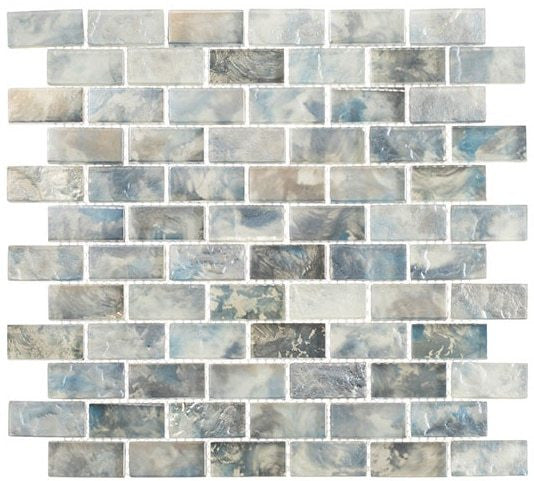
Mykonos Zeus Landing Gray Iridescent Subway Mosaic Tile for Backsplash, Shower Walls & Pool
Choose your option

Mykonos Harbor Series Beach Day
Choose your option


Nirvana Bliss Seaside NBO1092 Porcelain Pebble Mosaic Tile
Choose your option
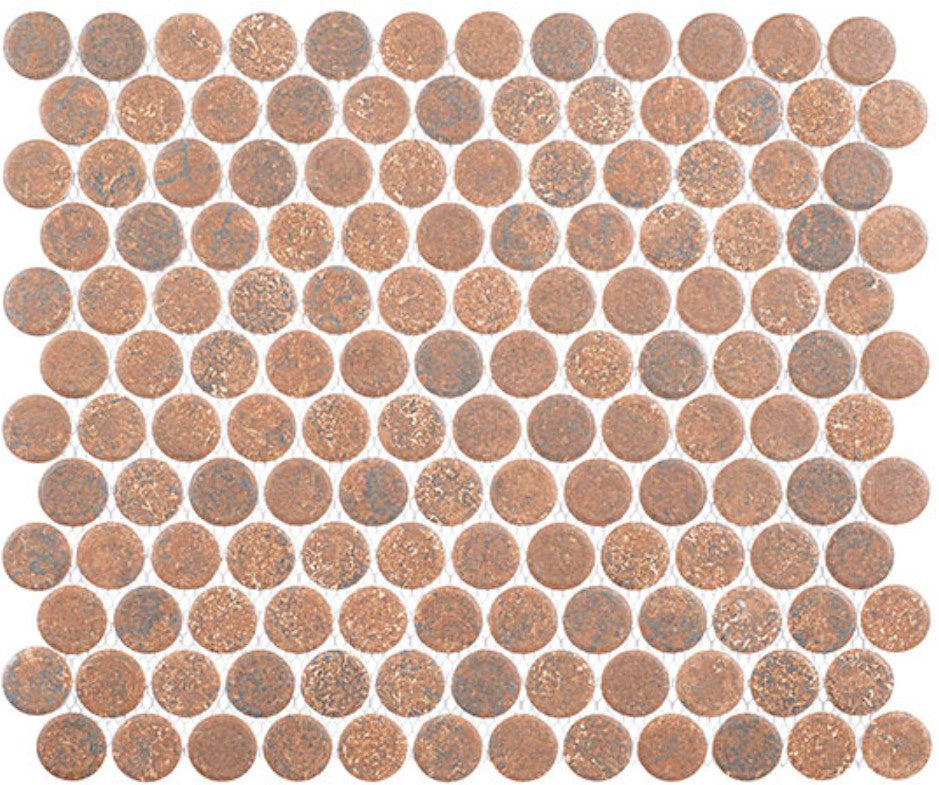

Belworth Series Penny Round BWH-6286 Fyrelle
Choose your option

Frost Plaza FPZ-1425 Tuxedo Gala
Choose your option
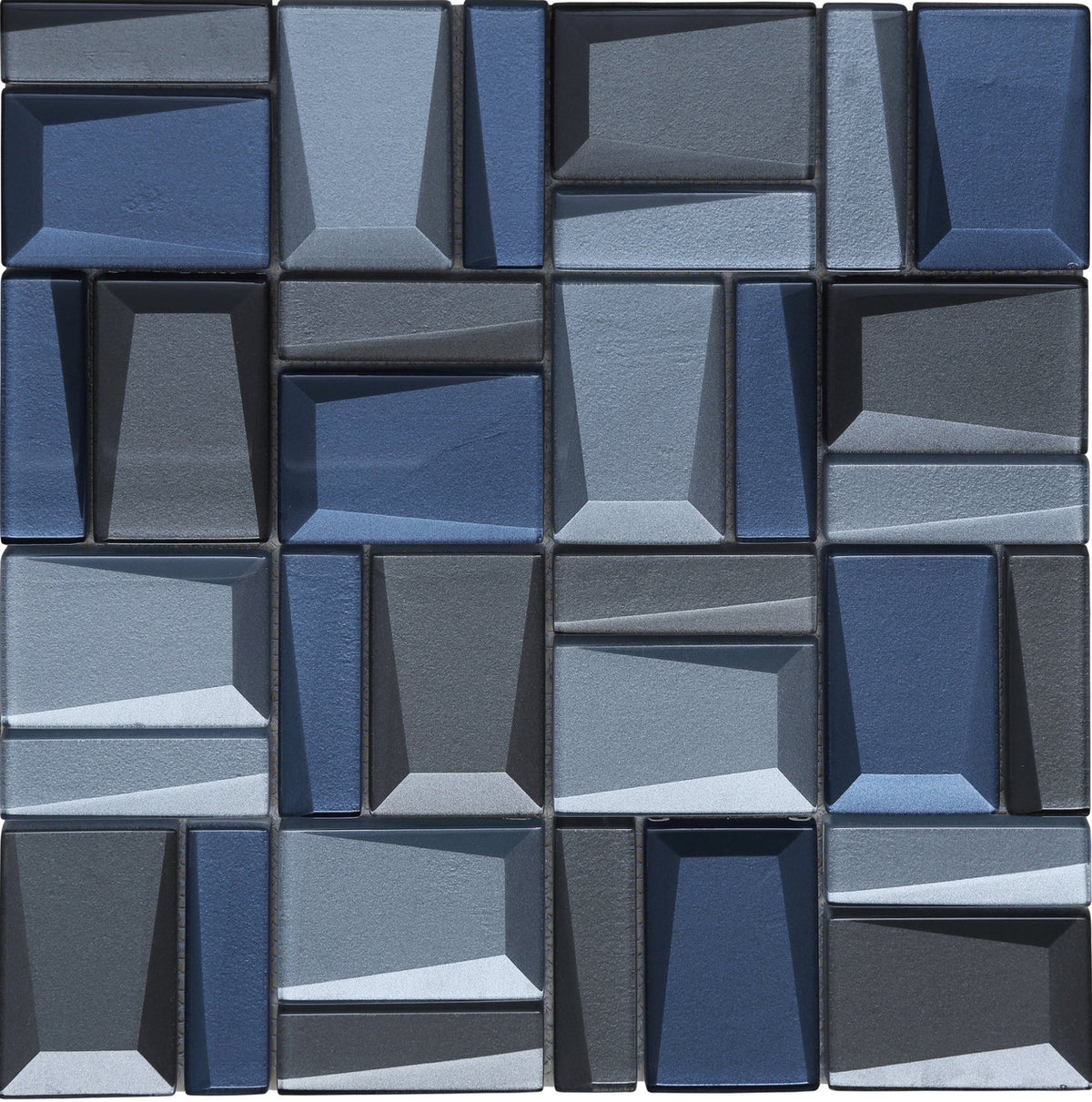
Facet Series Clarity Beveled Glass Mosaic 412-201
Choose your option

Mykonos Harbor Series Thasos Cliff MKH-1603
Choose your option

Antique Finish Mirror Glass w/beveled edges 2 x 8 | 412-005
Choose your option


New England Series Cape Cod NWG-792
Choose your option


New England Series Vineyard Patio NWG-791
Choose your option
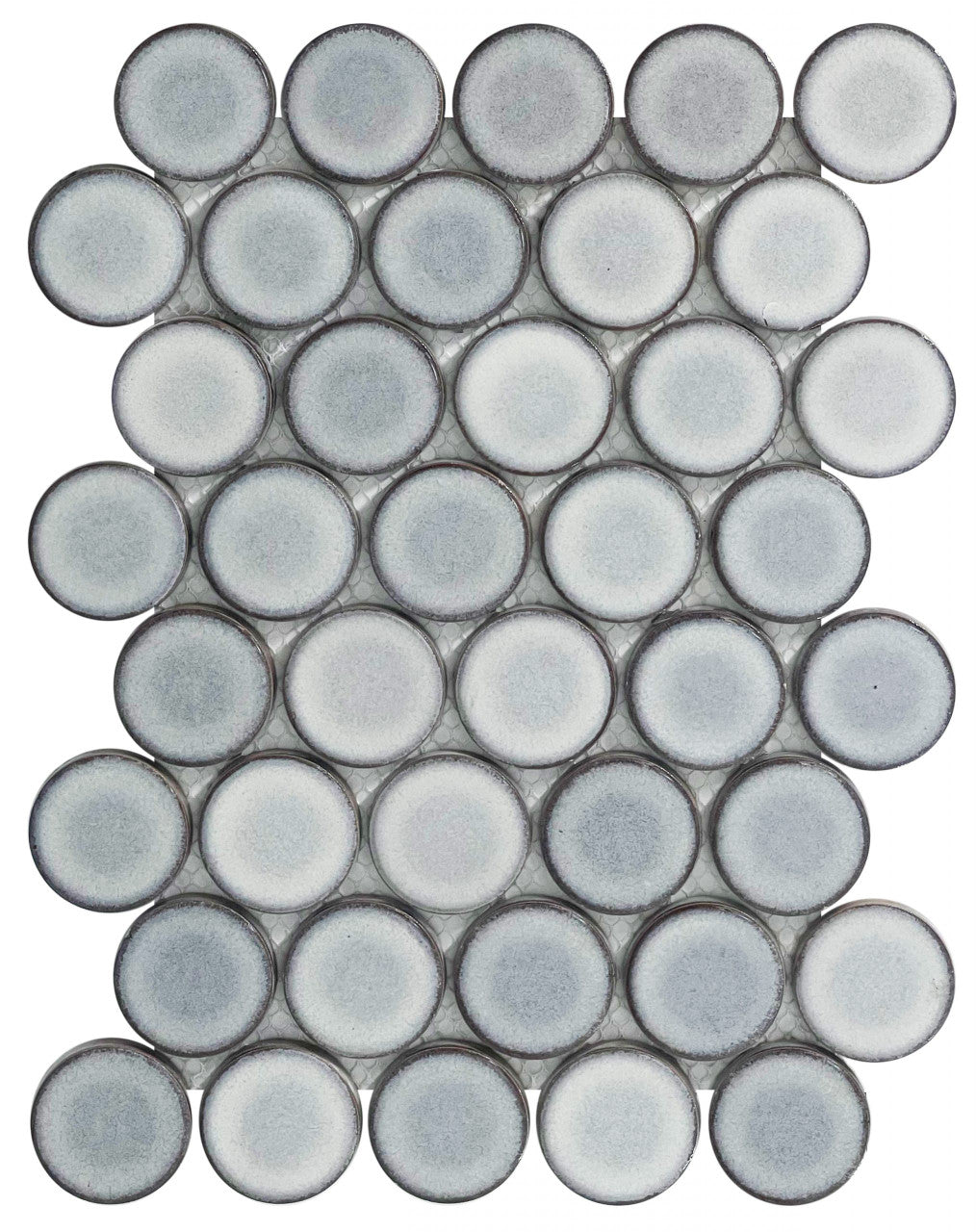
Soci Tile Penny Round Slate Matte SSE-869
Choose your option

Decko DEK3508 Modern Paquin Hexagon Mosaic
Choose your option
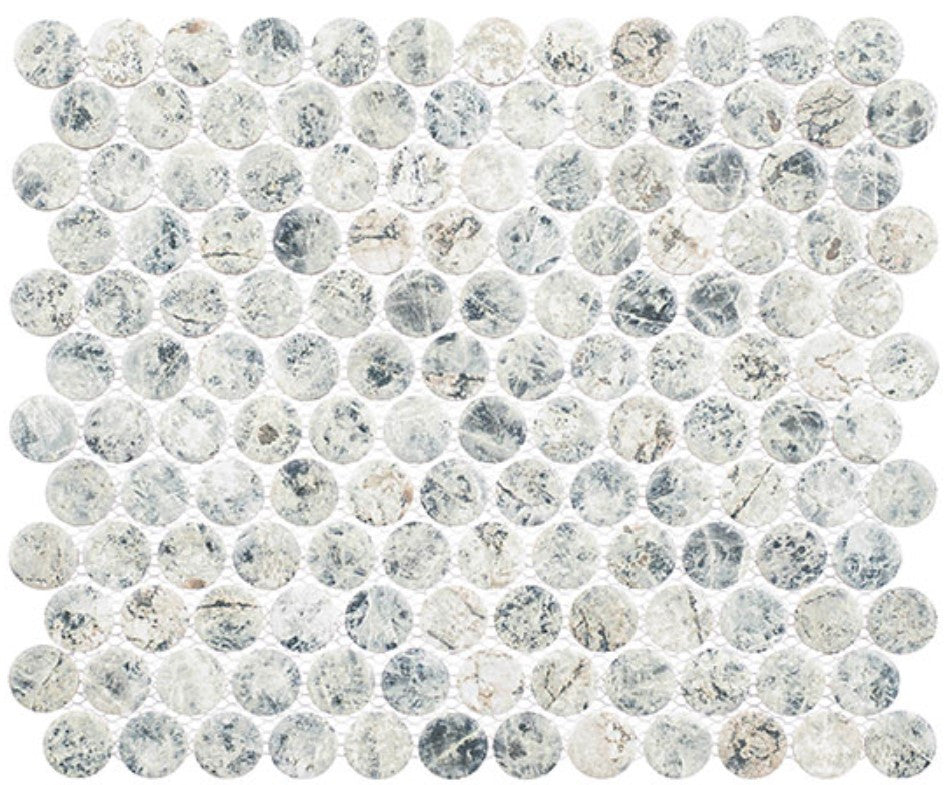

Belworth Series Penny Round BWH-6285 Janesse
Choose your option


NBO-1010 Sliced Pebble Onyx Marble Mosaic
Choose your option


Mir Allure Grey Rectangular
Choose your option

Wintour Castile WNC5463 Alnwick Banquet Hex
Choose your option

Skyline Series Marble Mosaic SL82
Choose your option

Frost Plaza FPZ-1422 Admiral Blue
Choose your option

Uptown Beach Lido Down UPB-2104 Blue Iridescent 2" Hexagon Glass Mosaic Tile
Choose your option
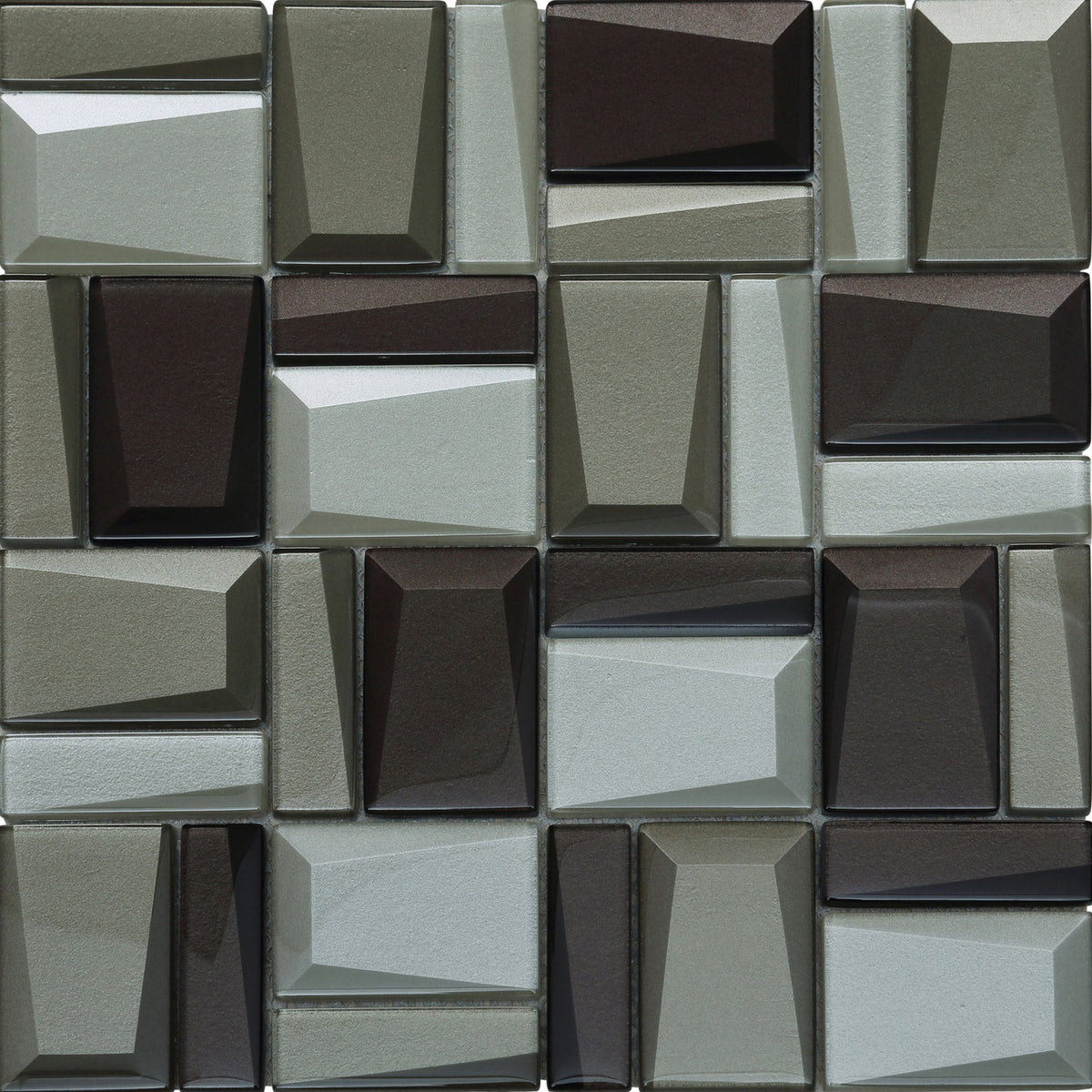
Facet Series Asscher Beveled Glass Mosaic 412-203
Choose your option


Magical Forest Crystal Lagoon Glass Tiles MGF-626
Choose your option

Modern Pyramids Royal Tweed
Choose your option
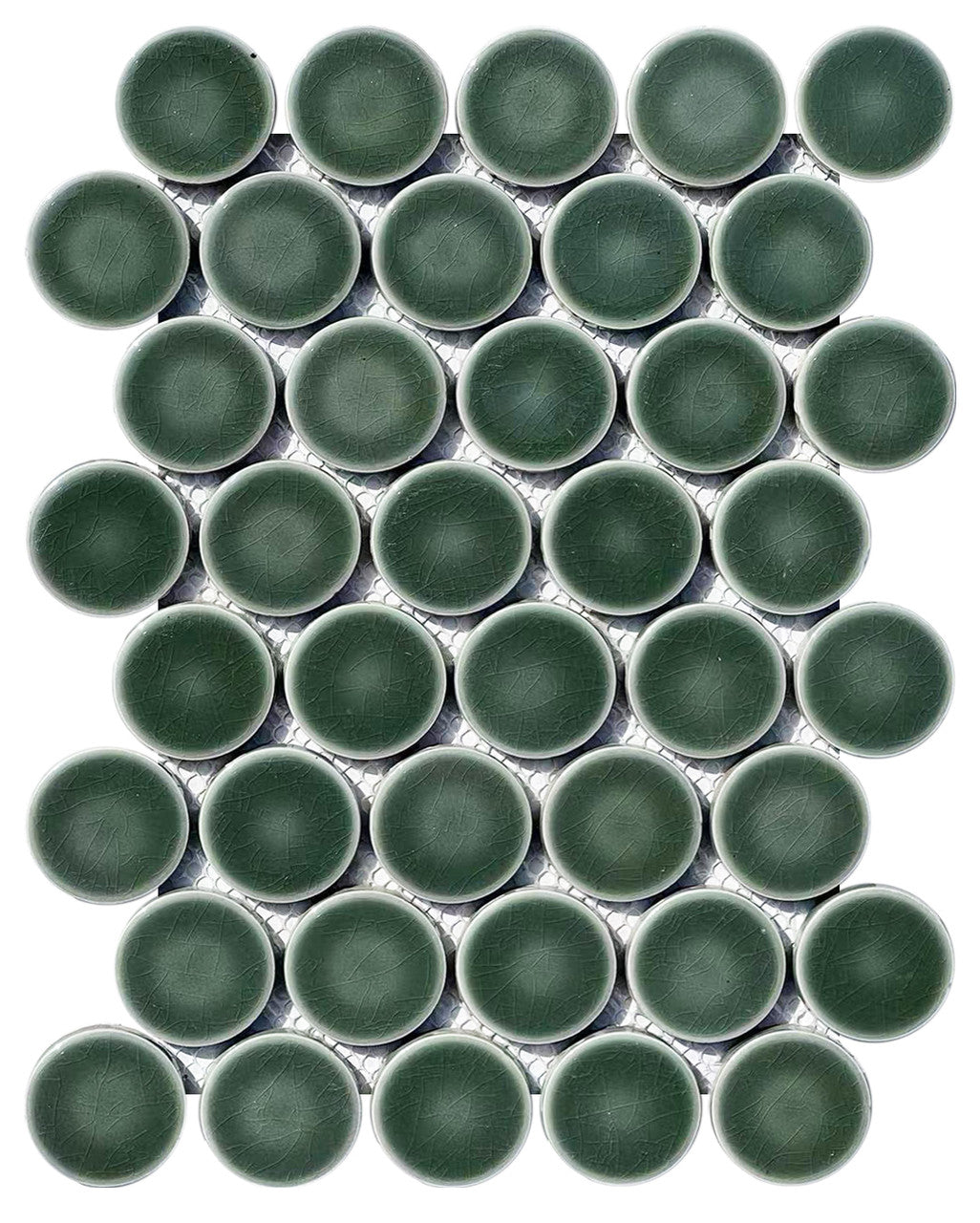
Soci Tile Penny Round Sage Glossy SSE-867
Choose your option
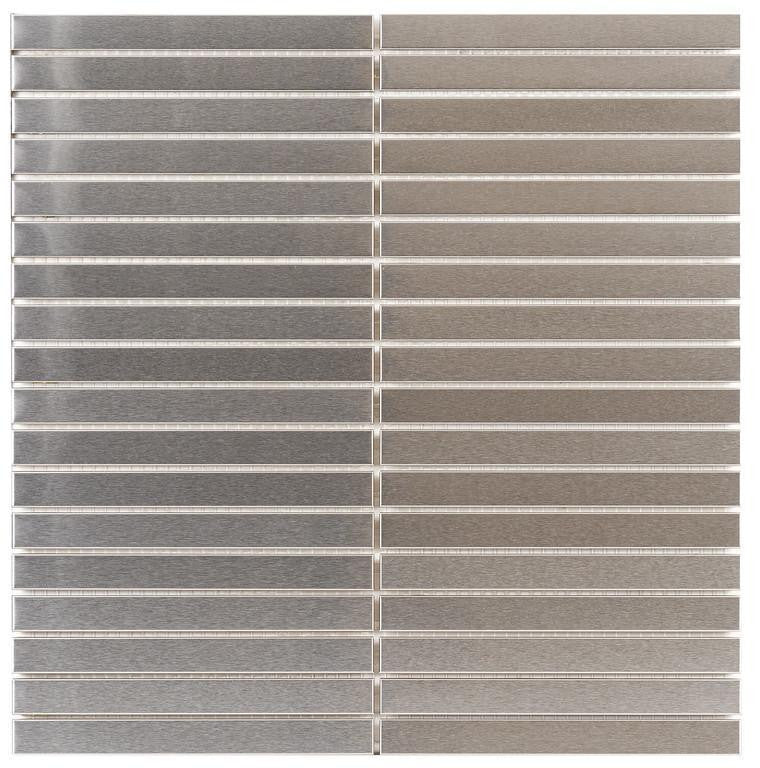
Stainless Steel Tile Backsplash 5/8 x 6 Mosaic 411-013
Choose your option


Nirvana Bliss Sapphire NB3692 Porcelain Pebble Mosaic Tile
Choose your option


Penny Round Mosaic Tile Sun
Choose your option


Penny Round Mosaic Satellite of Love
Choose your option


NB-4271 Sliced Pebble White Onyx Honed Marble Mosaic
Choose your option
How to Choose Mosaic Tile
Mosaic tile gives you design possibilities that are difficult to achieve with larger tile. Small individual pieces can create detailed geometric patterns, flowing shapes, borders and textured surfaces while fitting into areas where larger formats may be less practical.
When someone asks me which mosaic they should buy, I usually start with the application rather than the color. A kitchen backsplash, shower wall, shower floor, swimming pool and fireplace can have very different requirements.
Once you know where the mosaic is going, you can narrow the selection by material, shape, finish and color.
Written by Mike Belk, Tile Expert at BELK Tile.
What Is Mosaic Tile?
Mosaic tile is made from relatively small individual pieces arranged to create a repeating surface or pattern. Many mosaics are pre-mounted on mesh or another backing system so multiple pieces can be installed together, although sheet dimensions and mounting methods vary and some specialty mosaics are supplied loose.
Mosaic describes the format rather than one specific material. Glass, ceramic, porcelain, marble and other natural stones can all be made into mosaics, and mixed-material designs can combine more than one material on the same sheet.
That distinction matters because the material often determines more about installation, maintenance and application suitability than the fact that the product is a mosaic.
Choose Mosaic Tile by Material
Material is one of the most useful ways to narrow a large mosaic selection. Each material brings different visual characteristics and practical considerations to the finished installation.
Glass Mosaic Tile
Glass mosaic is one of the most versatile decorative choices for backsplashes, shower walls, pools and accent walls when the specific product is approved for the application.
Clear, translucent, opaque, iridescent, textured and beveled glass can interact with light in very different ways. That makes glass especially effective when you want color or reflection to become part of the design.
Installation requirements vary with the glass and application. Some glass mosaics require particular setting materials or methods to achieve the intended appearance, so follow the recommendations for the specific product rather than assuming every glass mosaic installs the same way.
Explore Glass Mosaic Tile for the complete glass selection.
Ceramic Mosaic Tile
Ceramic mosaics can bring traditional tile materials into much smaller formats. Penny rounds, hexagons and decorative shapes can work particularly well for backsplashes, bathrooms and feature areas.
Floor and wet-area suitability depends on the individual product. A ceramic mosaic being small or mesh mounted does not automatically mean it belongs on a shower floor.
Compare additional options in our Ceramic Mosaic Tile collection.
Porcelain Mosaic Tile
Porcelain is a useful mosaic material when you want low water absorption combined with smaller tile formats. Porcelain mosaics are available in a range of shapes, colors and surface designs, with individual products approved for different wall, floor and wet-area applications.
Porcelain itself should not be treated as automatic approval for every location. Always check the application information for the exact product, especially when selecting mosaics for shower floors, pools or other specialized environments.
Browse Porcelain Mosaic Tile to compare available designs.
Natural Stone Mosaic Tile
Natural stone mosaics bring genuine variation in color, veining, texture and mineral character to the installation. Pebbles, geometric patterns and waterjet designs can all emphasize the qualities of the stone in different ways.
That natural variation is part of the appeal, but stone also requires different care from manufactured materials. Sealing and maintenance requirements depend on the particular stone, finish and installation, and calcium-based stones such as marble can be sensitive to acidic cleaners.
Explore Natural Stone Mosaic Tile for more stone options.
Marble Mosaic Tile
Marble works particularly well in mosaic formats because small pieces can be arranged into patterns that highlight natural veining and color variation.
Hexagons, penny rounds, basketweaves, waterjet patterns and other shapes can turn marble into something very different from a conventional square or rectangular stone tile.
Because marble is natural stone, variation should be expected. Consider the stone, finish, application and maintenance requirements before choosing a design based on appearance alone.
Our Marble Mosaic Tile collection focuses specifically on these designs.
Mosaic Tile Shapes Change the Design
One of the biggest reasons to choose mosaic tile is shape.
A material can feel completely different depending on how the individual pieces are arranged. White marble in a hexagon creates a different visual rhythm from the same stone in basketweave, while blue glass in a penny round looks different from blue glass arranged as subway pieces.
Some of the mosaic shapes you will find at BELK Tile include hexagon, penny round, herringbone, basketweave, arabesque, diamond, fish scale, picket, pebble, subway and waterjet designs.
Choose the shape as deliberately as you choose the color.
Hexagon Mosaic Tile
Hexagons create repeating six-sided geometry that works in both traditional and contemporary designs. Small hexagons can create a detailed surface, while larger mosaic hexagons allow more of the individual material and color to show.
Hexagon mosaics are available across several materials, which makes it possible to compare the shape in glass, ceramic, porcelain and stone rather than choosing solely by geometry.
Penny Round Mosaic Tile
Penny rounds use small circular pieces to create a softer pattern than square or rectangular mosaics. They can work especially well in bathrooms, backsplashes and other spaces where you want the grout pattern to become part of the design.
The large number of grout joints affects the visual character and feel of the finished surface, but those joints alone do not establish wet-floor or slip-resistance suitability. Confirm the application rating of the specific product.
Herringbone and Chevron Mosaics
Herringbone and chevron both create directional movement, but they are not the same pattern.
Herringbone typically uses rectangular pieces arranged so the ends meet at alternating angles. Chevron uses angled ends that meet to create a continuous V-shaped pattern.
Pre-mounted mosaic sheets can make these layouts easier to establish consistently, although careful sheet alignment is still important so the finished installation does not reveal obvious sheet boundaries.
Basketweave Mosaic Tile
Basketweave is a classic mosaic pattern that uses small rectangular and square pieces to create the appearance of an interwoven surface.
It works particularly well with marble and other materials where subtle color differences can add depth to the repeating pattern. Basketweave can feel traditional, but material and color choices can push the pattern in a much more contemporary direction.
Waterjet Mosaic Tile
Waterjet cutting allows manufacturers to create curves and detailed shapes that would be difficult to achieve with conventional straight cuts.
These mosaics often combine multiple shapes, colors or materials into one decorative composition. They can be especially effective on feature walls, backsplashes and other areas where the mosaic is intended to become a focal point.
Because waterjet designs can be more intricate, look closely at sheet layout, edge conditions and installation requirements before beginning the project.
Mosaic Tile for Kitchen Backsplashes
The kitchen backsplash is one of the most flexible places to use mosaic tile. Glass, ceramic, porcelain, marble, natural stone and mixed-material mosaics can all create very different looks when the individual product is suitable for the application.
Think about the countertop before choosing the pattern. A countertop with strong veining may pair better with a quieter mosaic, while a simple countertop can give a more elaborate pattern room to become the focal point.
Our Kitchen Backsplash Tile collection lets you compare mosaics with larger tile formats for the same application.
Mosaic Tile for Shower Walls
Shower walls give mosaics a larger surface on which pattern, color and material can develop. Mosaics can cover an entire wall or be used selectively inside a niche, as an accent or alongside larger field tile.
Glass can introduce reflection and color, while marble and natural stone bring variation. Ceramic and porcelain offer another broad range of colors, shapes and finishes.
Whatever material you choose, confirm that the individual product is approved for shower-wall use. Tile and grout create the finished surface but do not replace the required waterproofing system behind the installation.
Explore Shower Wall Tile for products selected specifically for that application.
Choosing Mosaic Tile for a Shower Floor
Shower floors need to be evaluated separately from shower walls.
Smaller mosaic pieces can conform more easily to the slope required toward a drain, which is one reason mosaics are commonly used in this application. The additional grout joints also change the feel of the surface underfoot.
Neither characteristic automatically makes a mosaic appropriate for a shower floor.
Confirm that the exact product is approved for shower-floor use and review its applicable surface-performance information. The waterproofing, drainage, setting materials, grout and installation system also need to work together as a complete assembly.
Browse our Shower Floor Tile collection when this is your intended application.
Mosaic Tile for Swimming Pools
Pools can be an excellent setting for mosaic tile because smaller formats can work with curves, waterlines and detailed surfaces.
Glass is especially popular because water and sunlight can interact with color, transparency and iridescence, while approved porcelain mosaics provide another option.
Not every glass, porcelain or other mosaic is suitable for submerged use. Pool installations require products and installation materials specifically appropriate for that environment.
Start with our Pool Tile collection when selecting mosaics for a swimming pool.
Mosaic Tile for Fireplace Surrounds
A mosaic can turn a fireplace surround into a stronger architectural feature. Glass can interact with surrounding light, marble can introduce natural veining, and geometric mosaics can bring pattern to an otherwise simple wall.
Fireplace suitability is product and system specific. Gas, wood-burning and electric fireplaces can have different construction and clearance requirements, and the surround, hearth and wall above the fireplace should not automatically be treated as identical applications.
Follow the fireplace manufacturer's requirements and confirm that the tile and installation materials are appropriate for the intended location.
Mosaic Tile for Floors
Porcelain, ceramic, marble, natural stone and other mosaics may be available for floor applications when the individual product is approved for floor use.
Do not choose a mosaic floor solely because the tile pieces are small. Material, surface characteristics, expected traffic and application rating all matter.
This is especially important in wet areas. More grout joints do not replace the need to evaluate the actual product and intended environment.
Our Floor Tile collection is the better starting point when flooring is the primary application.
Mesh-Mounted Mosaic Tile
Many mosaics are supplied as sheets with individual pieces attached to mesh backing. This allows multiple pieces to be positioned together while preserving the intended pattern and spacing.
Mesh mounting makes handling easier, but it does not eliminate the need for careful layout. The joints between adjacent sheets should visually coordinate with the joints within each sheet so the finished surface reads as one continuous mosaic.
Dry laying several sheets before installation can help identify how the pattern interlocks and where cuts or transitions will occur.
Avoid Visible Sheet Lines
One of the most common visual problems with sheet-mounted mosaics is being able to see exactly where one sheet ends and the next begins.
Before setting the tile, place several sheets together and inspect the spacing. During installation, periodically step away from the wall or floor and look across a larger area rather than concentrating only on the sheet directly in front of you.
Adjustments are much easier while the setting material is still workable than after the installation has cured.
Choosing Grout for Mosaic Tile
Grout is a major design element with mosaics because there are usually many more joints than with large-format tile.
A grout color close to the tile can make the overall surface feel more continuous. Greater contrast emphasizes each individual piece and can make the pattern much more prominent.
Grout selection should not be based on color alone. Joint width, tile material, surface finish, installation environment and grout technology all matter.
Follow the grout manufacturer's requirements and confirm compatibility with the specific mosaic, particularly with materials that may be sensitive to scratching or staining.
Does Mosaic Tile Need to Be Sealed?
It depends on the material and grout system.
Some natural stone and marble mosaics may require or benefit from an appropriate sealer depending on the stone, finish and installation. Many glass, glazed ceramic and porcelain surfaces do not require penetrating sealer on the tile face.
Grout requirements also vary. Cementitious, epoxy and other grout technologies should be maintained according to the manufacturer's instructions rather than assuming every mosaic installation requires the same sealing schedule.
How Much Mosaic Tile Should You Order?
Start with accurate measurements of the area, then account for the actual mosaic pattern and layout.
Simple backsplash installations may create different cutting requirements from waterjet patterns, shower niches, pools, curved surfaces or rooms with multiple corners. There is no single waste percentage that is correct for every mosaic project.
Plan the layout first, calculate the required material and include appropriate additional tile for cuts, breakage and future repairs.
Order Mosaic Tile Samples Before Making the Final Choice
Mosaics can look significantly different in person because you are evaluating more than color.
Piece size, grout spacing, texture, transparency, surface reflection, natural variation and pattern all influence the finished appearance. With glass, iridescence and translucency can also change substantially under different lighting.
Whenever possible, view your sample alongside the actual countertop, cabinetry, wall color, plumbing fixtures or surrounding tile.
For highly varied natural materials, seeing multiple pieces or a full sheet can give you a better understanding of the finished installation than one small sample.
Shop Mosaic Tile at BELK Tile
Mosaic tile gives you an enormous range of ways to combine material, color, shape and pattern.
Start with the application. Then compare glass, ceramic, porcelain, marble, natural stone and mixed-material options while considering shape, finish, mounting method and maintenance.
A mosaic backsplash may prioritize color and pattern. A shower floor needs application-specific performance. A pool requires materials approved for submerged conditions. A marble feature wall introduces completely different maintenance and design considerations.
Choosing in that order helps you find a mosaic that works for the project rather than simply choosing the pattern that looks best on a screen.
