Kitchen Backsplash Styles, Patterns & Design Ideas
The same tile can give a kitchen an entirely different look depending on how it is installed. Explore backsplash patterns, decorative mosaics, subway tile layouts and design ideas that help you balance visual interest with the overall style of your kitchen.


Kitchen Backsplash Ideas, Design Trends, Expert Guides

Get Cooking in Style: Trendy Tile Backsplash Ideas for Your Kitchen
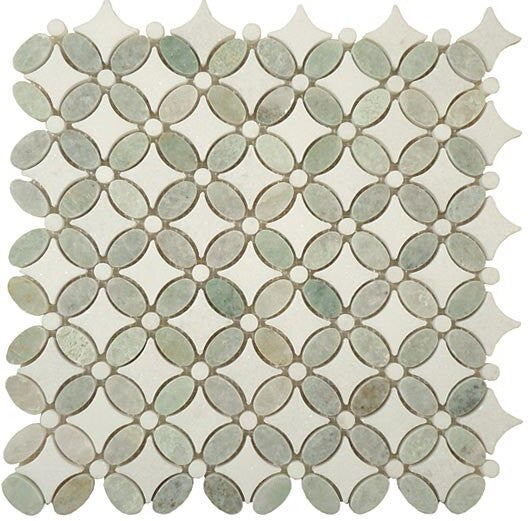
Tile Backsplash for Kitchen: A Stylish UpgradeEnhancing your kitchen with a tile backsplash is a fantastic way to add both functionality and style to the heart of your home. A backsplash serves as a protective barrier against stains and splatters, while also providing an opportunity to showcase your personal taste and creativity. Let's explore the importance of a backsplash and some trendy tile options for your kitchen.The Importance of a BacksplashA backsplash is an essential element in any kitchen, as it helps to protect the walls behind your countertops and stove from food and liquid splatters. It serves as a barrier that is easy to clean, ensuring that your kitchen remains hygienic and free from stains. Beyond its practical purpose, a backsplash can also elevate the overall aesthetic of your kitchen, acting as a focal point and adding visual interest.Trendy Tile Options for Your KitchenWhen it comes to choosing the perfect tiles for your kitchen backsplash, there are numerous options available to suit every style and preference. Let's explore some of the trendy tile options that can transform your kitchen into a stylish and inviting space. Tile Option Description Subway Tiles Classic and timeless, subway tiles offer a versatile choice for any kitchen style. They feature a rectangular shape and are typically installed in a brick or herringbone pattern. Explore different patterns and layouts to create a unique look. For more inspiration, check out our article on subway tile ideas for bathroom. Geometric Tiles If you're looking for a modern and bold design, geometric tiles are the way to go. These tiles come in various shapes and sizes, allowing you to create intricate patterns and combinations. Experiment with mixing different shapes and colors to add a touch of personality to your kitchen. Mosaic Tiles Mosaic tiles offer an artistic and intricate aesthetic. They are made up of small pieces of glass, ceramic, or natural stone, forming beautiful patterns and designs. The versatility of mosaic tiles allows you to create a unique backsplash that complements your kitchen's style. Patterned Tiles Vibrant and eye-catching, patterned tiles can add a burst of personality to your kitchen. From intricate Moroccan-inspired designs to bold and colorful patterns, these tiles can transform a plain kitchen into a visually engaging space. When using patterned tiles, it's important to balance them with other elements in your kitchen to create a cohesive look. When selecting a tile option for your kitchen backsplash, consider factors such as material durability and how well it integrates with your overall kitchen design. Additionally, don't forget to explore different patterns and layouts to find the perfect fit for your kitchen space. For more tile inspiration and ideas, check out our other articles, such as tile shower designs and tile flooring options for living room.A tile backsplash provides an opportunity to showcase your personal style and create a kitchen that is both functional and visually appealing. Whether you opt for classic subway tiles, bold geometric designs, intricate mosaics, or vibrant patterns, a well-chosen backsplash can be the highlight of your kitchen renovation.Subway TilesSubway tiles have long been a popular choice for kitchen backsplashes due to their classic and timeless appeal. Inspired by the ceramic tiles used in New York City subway stations in the early 20th century, these rectangular tiles have made their way into kitchens across the globe, adding a touch of elegance and sophistication.Classic and Timeless AppealThe allure of subway tiles lies in their simplicity and versatility. Their clean lines and uniform shape create a sleek and polished look that complements a wide range of kitchen styles, from traditional to modern. The neutral color palette, typically consisting of white or off-white tiles, allows for easy integration with various color schemes and kitchen designs.Subway tiles not only stand the test of time in terms of style but also in terms of durability. They are typically made from ceramic or porcelain, making them resistant to stains, heat, and moisture. This makes them an ideal choice for a kitchen backsplash, as they can withstand the inevitable splatters and spills that occur during cooking.Patterns and LayoutsWhile the classic brick pattern, with tiles laid in a horizontal offset arrangement, is the most common way to install subway tiles, there are several other patterns and layouts that can add visual interest to your kitchen backsplash. Herringbone: This pattern features tiles arranged in a V-shaped zigzag formation, creating a dynamic and eye-catching look. Vertical Stacked: Instead of the traditional horizontal layout, subway tiles can be stacked vertically for a fresh and modern twist. Basketweave: By alternating the direction of the tiles, a basketweave pattern can be achieved, bringing a touch of texture and depth to your backsplash. Subway Tile with Decorative Accents: To add a personalized touch, consider incorporating decorative accents, such as colored tiles or patterned inserts, into your subway tile design. Remember to consider the overall style and color scheme of your kitchen when selecting a pattern or layout for your subway tile backsplash. It's also a good idea to bring samples of the tiles home to see how they look in your kitchen's lighting and with other elements in the space.By choosing subway tiles for your kitchen backsplash, you can achieve a classic and timeless look that will never go out of style. Whether you opt for the traditional brick pattern or experiment with different layouts, subway tiles are sure to enhance the beauty and functionality of your kitchen.Geometric TilesWhen it comes to creating a modern and bold look in your kitchen, geometric tiles are an excellent choice for a trendy backsplash. These tiles feature unique shapes and patterns that can add a touch of artistic flair to your kitchen design.Modern and Bold DesignsGeometric tiles offer a contemporary aesthetic that can instantly transform your kitchen into a stylish space. The clean lines and sharp angles of these tiles create a sense of modernity and sophistication. Whether you choose hexagonal, triangular, or diamond-shaped tiles, the geometric patterns will make a bold statement in your kitchen.To enhance the modern look, consider opting for a monochromatic color scheme with geometric tiles. Black and white combinations or shades of gray can create a sleek and minimalist appearance. Alternatively, you can experiment with vibrant colors like deep blues or bold yellows to add a pop of excitement to your kitchen design.Mixing Shapes and ColorsOne of the advantages of geometric tiles is the ability to mix and match different shapes and colors. By combining various geometric tile designs, you can create a visually dynamic backsplash that becomes the focal point of your kitchen.For example, you can create a captivating herringbone pattern by using rectangular tiles in different orientations. Mix in some hexagonal or triangular tiles to add an unexpected twist to the design. Additionally, experimenting with different colors within the geometric pattern can create a visually striking effect.To achieve a cohesive look, consider incorporating geometric elements in other areas of your kitchen design. This can include geometric patterns in fabrics, such as curtains or seat cushions, or geometric-shaped accessories like pendant lights or decorative items. By carrying the geometric theme throughout your kitchen, you can create a harmonious and visually appealing space.When exploring geometric tiles for your kitchen backsplash, it's important to consider the overall design and style of your kitchen. The geometric pattern should complement the existing elements and enhance the overall aesthetic. For more inspiration and ideas, check out our article on tile countertop ideas for kitchen.Geometric tiles offer a contemporary and artistic approach to kitchen backsplashes. With their modern designs and the ability to mix and match shapes and colors, these tiles can elevate the style of your kitchen and create a visually captivating space. Experiment with different geometric patterns and color combinations to find the perfect look that reflects your personal style.Mosaic TilesWhen it comes to adding a touch of artistry and intricate patterns to your kitchen, mosaic tiles are an excellent choice for a stylish backsplash. Mosaic tiles are made up of small individual pieces, typically measuring less than 2 inches in size, that come together to form unique designs and patterns.Intricate and Artistic PatternsOne of the main attractions of mosaic tiles is their ability to create stunning and intricate patterns. These tiles allow you to unleash your creativity and add a personalized touch to your kitchen. Whether you prefer geometric designs, floral motifs, or abstract arrangements, mosaic tiles offer endless possibilities to showcase your style.The individual tiles in a mosaic can vary in color, shape, and material, allowing for a wide range of artistic expression. From vibrant and bold patterns to subtle and understated designs, mosaic tiles can transform your kitchen into a work of art.Versatility in DesignAnother advantage of mosaic tiles is their versatility in design. They can be used to create a focal point behind the stove or sink, or cover the entire backsplash area for a more dramatic effect. Mosaic tiles also work well as decorative accents, adding visual interest when incorporated with other tile options.In terms of material, mosaic tiles are available in various options such as glass, ceramic, porcelain, and natural stone. Each material offers its own unique characteristics, from the reflective and glossy appearance of glass mosaic tiles to the earthy and textured look of natural stone mosaic tiles.To further enhance the appeal of mosaic tiles, consider incorporating different grout colors to highlight the individual tiles or create a seamless look. The choice of grout color can significantly impact the overall aesthetic of the backsplash, so take the time to experiment with different options to find the perfect combination.When selecting mosaic tiles for your kitchen, keep in mind the overall design and color scheme of the space. Consider whether you want the backsplash to blend harmoniously with the surrounding elements or make a bold statement as a focal point. By carefully choosing the right mosaic tiles, you can elevate your kitchen's style and create a visually stunning backsplash that reflects your personal taste.Patterned TilesFor those seeking a bold and vibrant look in their kitchen, patterned tiles can be an excellent choice for a backsplash. Patterned tiles bring personality and visual interest to the kitchen space, making it a focal point of design. Let's explore the characteristics of patterned tiles and how to balance them with other elements in the kitchen.Vibrant and Eye-catching StylesPatterned tiles come in a wide range of designs, from intricate motifs to playful geometric patterns. These tiles can inject energy and personality into your kitchen, creating a lively and dynamic atmosphere. The vibrant colors and eye-catching details of patterned tiles can instantly transform a plain kitchen into a vibrant and stylish space.When selecting patterned tiles, consider the overall color scheme and style of your kitchen. Opt for patterns that complement or accentuate the existing elements in the space. For example, if you have neutral cabinets and countertops, you may choose patterned tiles with bold colors to create a striking contrast. On the other hand, if your kitchen already has a vibrant color palette, you might opt for patterned tiles with more subtle tones to create a harmonious look.Balancing Patterns with Other ElementsWhile patterned tiles can add excitement to your kitchen, it's important to strike a balance with other design elements. Here are some tips to create a cohesive and visually pleasing look: Keep it focused: Consider using patterned tiles as a focal point in a specific area of your kitchen, such as behind the stove or sink. This allows the pattern to shine without overwhelming the entire space. Pair with neutral surroundings: To maintain a balanced look, pair patterned tiles with neutral-colored cabinets, countertops, and walls. This helps to prevent the space from feeling too busy or overwhelming. Mix and match: If you're feeling adventurous, you can mix different patterns and create a unique mosaic effect. However, be mindful of maintaining a cohesive color palette to avoid a chaotic appearance. Consider scale: Pay attention to the size of the patterned tiles relative to the size of your kitchen. Larger patterns may work well in spacious kitchens, while smaller patterns can be a better fit for smaller kitchens. Remember, patterned tiles have the power to make a statement, so it's essential to strike the right balance with the rest of your kitchen design. Don't be afraid to experiment and let your personal style shine through.Choosing the Right Tile for Your KitchenWhen it comes to selecting a tile for your kitchen backsplash, it's important to consider both the material and durability of the tile, as well as how well it cohesively fits within your overall kitchen design.Considerations for Material and DurabilityThe choice of tile material plays a significant role in both the aesthetic appeal and durability of your kitchen backsplash. Here are some popular options to consider: Tile Material Pros Cons Ceramic Affordable, wide range of colors and designs, easy to clean Prone to chipping and cracking Porcelain Highly durable, moisture-resistant, low maintenance More expensive than ceramic Glass Reflective and adds depth, easy to clean, non-porous Susceptible to scratches and may require more maintenance Natural Stone Unique and natural appearance, durable Requires regular sealing and maintenance Before making a decision, it's important to assess the specific needs of your kitchen. Consider factors such as the amount of moisture and grease your backsplash might encounter, as well as the level of maintenance you're willing to invest. Understanding these factors will help you choose a tile that can withstand the demands of your kitchen while maintaining its visual appeal.Cohesion with Overall Kitchen DesignYour kitchen backsplash should not only complement the tile flooring and countertops but also enhance the overall design and style of your kitchen. Consider the following factors when choosing a tile that cohesively fits within your kitchen: Color Palette: Select a tile color that harmonizes with the existing color scheme of your kitchen. Whether you prefer a complementary or contrasting look, ensure the tile color enhances the overall aesthetic appeal. Size and Pattern: The size and pattern of the tile can significantly impact the visual perception of your kitchen. Larger tiles can create a more spacious and streamlined appearance, while smaller tiles may add intricate detail. Additionally, consider whether a specific tile pattern, such as herringbone or chevron, aligns with your kitchen's style. Texture and Finish: The texture and finish of the tile can influence the overall ambiance of your kitchen. Choose a tile that complements the desired look and feel, whether it's a sleek and glossy finish or a textured and rustic surface. By carefully considering the material and durability of the tile, as well as its cohesion with your overall kitchen design, you can make an informed decision when selecting the perfect tile for your kitchen backsplash. Remember to take your time, explore different options, and envision how the tile will enhance the beauty and functionality of your kitchen space.
Read more
15 Glass Tile Kitchen Backsplash Ideas and How to Choose the Right One
The best glass tile kitchen backsplash ideas depend on more than the color of the tile. Cabinet undertones, countertop patterns, grout contrast, lighting and the amount of wall space all influence the finished design. White glass subway tile works well in kitchens with busy countertops, while colorful mosaics, iridescent glass and decorative patterns can become the focal point of kitchens with simpler surfaces. When choosing a backsplash, I recommend deciding what you want the tile to accomplish before narrowing down your selections. Are you trying to brighten a dark kitchen, introduce color, soften the appearance of modern cabinetry or create a decorative feature behind the range? These 15 glass tile backsplash ideas explain not only how each design can look, but also where it works best, what materials to pair it with and when another option may be more appropriate. 1. Classic White Glass Subway Tile With Patterned Countertops White glass subway tile is particularly effective when your countertops already provide substantial visual interest. A countertop with dramatic marble-like veining, granite movement or contrasting mineral deposits generally does not need another dominant pattern directly above it. Unlike some white ceramic tiles, white glass can have noticeable depth and subtle color undertones. The backing, glass composition and surrounding lighting can influence whether it appears crisp white, slightly green or warm white. Best combination: White or natural wood cabinetry with patterned quartz, granite or marble countertops. Grout recommendation: A compatible white or soft off-white grout creates continuity without drawing excessive attention to each tile. When to reconsider: If your cabinets and countertops are already plain white, another flat white surface may make the kitchen feel overly uniform. Consider a textured glass tile instead. Compare sizes and finishes in our glass subway tile collection. 2. Coastal Aqua Glass With White Shaker Cabinets Aqua glass can introduce color into a white kitchen without making the entire room feel themed. Muted blue-green shades are particularly useful when you want a coastal influence that remains compatible with different furnishings and accessories. Mykonos Harbor Beach Day MKH-1602 features 1-inch by 2-inch iridescent glass pieces in aqua with soft gray undertones. Its repeating rectangular pattern provides structure while the reflective finish introduces movement. Best combination: White shaker cabinets, light countertops and natural wood accents. Grout recommendation: Test a light neutral grout that allows the aqua color to remain the dominant feature. When to reconsider: Strongly yellow or orange cabinet undertones may compete with cooler aqua glass. Compare physical samples before committing. 3. Muted Green Glass With Natural Wood Cabinetry Green glass can help connect the warmth of natural wood cabinetry with cooler countertop materials. Sage and olive shades are especially useful for creating a softer, nature-inspired kitchen. The important distinction is between yellow-based greens and blue-based greens. A yellow-based olive may complement warm oak, while a cooler sage can coordinate more easily with gray-toned stone and whitewashed wood. Best combination: Natural oak, walnut or cream cabinetry with understated countertops. Grout recommendation: A soft neutral that relates to the tile's undertone rather than a stark contrasting white. When to reconsider: If the kitchen already contains several green surfaces, introducing another unrelated green can create a mismatched appearance. 4. Warm Iridescent Glass for Kitchens With Limited Natural Light Iridescent glass provides changing reflections as you move through the kitchen. Choosing a warm neutral version allows you to introduce this effect without relying on bright colors. Mykonos Harbor Thasos Cliff MKH-1603 is a 1-inch by 2-inch glass mosaic in warm sand beige tones with an iridescent finish. It offers a decorative alternative to flat beige tile. Best combination: Light oak cabinets, cream countertops and brushed brass hardware. Lighting recommendation: Compare the sample under daylight and your actual under-cabinet lighting. Warm lighting can emphasize beige and golden tones, while cooler illumination may change the perceived color. When to reconsider: Kitchens with highly polished countertops and numerous reflective finishes may benefit from a quieter matte backsplash. Explore additional iridescent glass tiles to compare color and reflection. 5. Vertical Stacked Glass Tile for Contemporary Kitchens Vertical stacked glass tile changes the visual direction of a backsplash without requiring an unusual tile shape. The uninterrupted vertical joints can emphasize the distance between countertops and upper cabinets. Before purchasing tile, measure the actual backsplash height and compare it with the tile length, including grout joints. A layout that looks balanced on a large display board may leave awkward cuts in a shorter backsplash. Best combination: Flat-panel or simple shaker cabinetry with minimal countertop patterns. Grout recommendation: Matching grout emphasizes continuity, while contrasting grout creates a stronger architectural grid. When to reconsider: A backsplash with numerous outlets, windows or uneven cabinet heights may require additional layout planning to avoid distracting cuts. See our vertical stack bond backsplash pattern guide for layout inspiration. 6. Glass Herringbone for Movement Without Extra Color Herringbone is useful when a kitchen needs visual movement but does not need another color. Arranging a single glass tile in a directional pattern can provide decorative detail while maintaining a restrained palette. Choose a rectangular tile suitable for the pattern, and confirm that its dimensions and recommended grout spacing allow the layout to align consistently. Best combination: White, gray or natural wood cabinetry with relatively quiet countertops. Grout recommendation: Use a coordinating color for a softer pattern or restrained contrast to highlight the individual pieces. When to reconsider: If the backsplash has numerous interruptions, a herringbone layout can produce more perimeter cuts and installation labor than a conventional horizontal layout. Our herringbone backsplash pattern guide illustrates the basic arrangement. 7. Hexagon Glass Mosaics for Geometric Detail Hexagon glass mosaics are a good alternative when rectangular tile feels too predictable. Their repeating geometry adds structure without requiring multiple colors. Small hexagons create a more detailed surface, while larger hexagons allow each individual shape to become more noticeable. The visual difference becomes particularly important in open-plan kitchens where the backsplash is viewed from several feet away. Best combination: Simple cabinet doors, streamlined hardware and countertops with minimal movement. Grout recommendation: A closely coordinated grout maintains a quieter appearance. Contrasting grout makes the geometric pattern more prominent. When to reconsider: If you already have strongly patterned flooring or countertops, contrasting hexagon grout may introduce too many competing patterns. 8. Beige Recycled Glass Penny Rounds for a Warm Vintage Look Penny round mosaics can introduce softer shapes into kitchens dominated by rectangular cabinet doors, straight countertops and angular appliances. Hearth Palace Kara Beige HP1-PRKBG is a glossy 3/4-inch penny round mosaic made from 98% recycled glass. Its beige color allows the circular pattern to become the main design element. Best combination: Cream cabinets, light wood, warm stone countertops and understated brass hardware. Grout recommendation: Compare grout samples carefully because grout occupies a noticeable portion of a penny round installation. When to reconsider: If reducing grout maintenance is your main priority, a larger rectangular glass tile may be a more practical alternative. 9. Textured Gray Glass Subway Tile for Understated Dimension A textured glass subway tile can provide enough movement to make a neutral kitchen interesting without introducing a complicated mosaic pattern. Crystile Wave Gray Sky C07-W is a glossy 4-inch by 12-inch glass subway tile with a gently undulating surface. The wave texture changes the way light reflects across the tile. Best combination: White, dark gray or natural wood cabinets with understated countertops. Lighting recommendation: View the tile under directional lighting to see how pronounced the wave texture becomes. When to reconsider: If your goal is an exceptionally flat, visually uniform backsplash, a conventional smooth glass subway tile may be more appropriate. 10. Matte Blue Glass for a Softer Contemporary Kitchen Matte glass can introduce color without the strong reflections associated with glossy glass. This is useful when a kitchen already has polished stone, reflective appliances or bright task lighting. Polka Dots Seahorse Waves PLK-66 combines ocean blue tones with a matte recycled glass penny round design. Best combination: White cabinetry, light wood accents and simple gray or white countertops. Grout recommendation: A coordinating neutral reduces the visual separation between the small circular pieces. When to reconsider: If your main goal is maximizing light reflection in a dark kitchen, a glossy glass tile may provide a more effective result. 11. Glass and Marble Mosaics for Natural Variation Combining glass and marble creates a backsplash with different textures, reflections and naturally varying colors. This approach can connect contemporary glass finishes with more traditional stone surfaces. Marina NB4633 blends polished Calacatta, white and blue marble pebbles with striated glass pieces in sea-washed tones. Best combination: White or pale gray cabinets, quiet countertops and natural wood accents. Maintenance recommendation: Treat the backsplash as a mixed-material installation. Cleaning products must be suitable for the marble as well as the glass, and the stone may require sealing. When to reconsider: If you prefer a completely smooth surface with straightforward cleaning requirements, conventional glass subway tile may be a better choice. 12. Dark Glass Tile Against Light Countertops Black, charcoal and deep navy glass can create an intentional contrast against white or cream countertops. Dark glass is especially useful when the kitchen needs greater visual definition rather than additional brightness. Glossy dark glass can reflect light, but it may also make reflections, fingerprints and dried splashes more noticeable. A matte finish provides a different appearance without the same mirror-like effect. Best combination: Light countertops, white or natural wood cabinetry and adequate task lighting. Grout recommendation: Test a compatible dark grout for continuity, ensuring that the grout does not stain or scratch the selected glass. When to reconsider: A kitchen with dark cabinets, dark floors and limited light may feel visually heavier with another dark surface. Find additional combinations in our guide to black tile backsplash ideas. 13. Warm Neutral Glass for Traditional Wood Kitchens Beige, cream, champagne and warm gray glass can help coordinate older or traditional wood cabinetry with updated countertops. These shades are worth considering when replacing a backsplash without replacing the cabinets. Rather than trying to match the wood exactly, look for a glass tile that relates to either the cabinet undertone or the quieter background color of the countertop. Best combination: Cherry, oak or maple cabinets with warm neutral stone and traditional hardware. Grout recommendation: A soft cream or warm gray may help integrate the tile into the existing kitchen palette. When to reconsider: Avoid choosing a beige tile solely because the cabinetry is brown. A neutral with the wrong undertone can make both materials look less coordinated. 14. Full-Height Glass Tile Around a Range Hood or Window Extending the backsplash above the conventional cabinet line can make the tile feel like part of the kitchen architecture rather than a narrow decorative strip. Before selecting the pattern, sketch the complete wall, including windows, hood dimensions, upper cabinets and exposed edges. The appearance of the tile at these termination points is just as important as the main backsplash area. Best combination: Kitchens with open shelving, prominent range hoods or uninterrupted wall areas. Design recommendation: Choose a restrained tile for a continuous background or a more decorative tile if the wall is intended to be the primary visual feature. When to reconsider: If extending the backsplash creates isolated patches of tile with no logical stopping point, a conventional backsplash height may produce a cleaner result. 15. Agate-Look Glass Mosaic as a Kitchen Focal Point Some glass mosaics contain enough color and pattern to serve as the principal decorative feature in a kitchen. Agate-look glass is a particularly interesting example because the individual pieces resemble layers and bands found in natural minerals. The featured design rendering for this article is based on Magical Forest Crystal Lagoon MGF-626, a glossy random brick glass mosaic with blue, teal and earthy brown agate-like patterns. Each mesh-mounted sheet measures 11 3/4 inches by 11 3/4 inches and covers 0.96 square feet. The sheet contains 18 glass pieces arranged in nine rows. These details are important when estimating the quantity needed and planning the layout. Best combination: White or natural wood cabinetry, simple countertops and understated hardware. Grout recommendation: Test a subdued neutral that complements the mixture of gray, blue and earthy tones without outlining every piece too aggressively. When to reconsider: If your countertop already has dramatic mineral patterns or large contrasting veins, this mosaic may compete with it. Consider a smaller decorative accent or a quieter glass tile instead. The featured kitchen image is an illustrative design rendering based on the actual product. Refer to the product photographs and order a physical sample to confirm tile dimensions, color and finish. Compare Glass Backsplash Ideas by Your Existing Kitchen Existing Kitchen Feature Consider Be Careful With Heavily veined countertops Simple white or warm neutral glass Busy agate or multicolor mosaics Plain white countertops Decorative glass mosaics or iridescent finishes Uncoordinated white undertones Natural oak cabinets Sage, beige or muted green glass Strong colors with competing undertones Dark cabinetry Light reflective glass Dark tile without adequate lighting Polished countertops Matte or understated textured glass Excessive competing reflections Numerous outlets and interruptions Simple rectangular layouts Complex directional patterns without layout planning Low-maintenance priority Smooth glass with fewer grout joints Complex mixed-material mosaics My Four-Step Glass Tile Sample Test Rather than making a final decision from a product photograph, I recommend evaluating your shortlisted samples in four different ways. Step 1: Check the Undertones Hold the glass tile against the cabinet finish and countertop at the same time. Determine whether the materials share compatible warm or cool undertones. Step 2: Check the Lighting Position the sample vertically where the backsplash will be installed. Compare its appearance during daylight, in the evening and under your task lighting. Step 3: Check the Pattern at a Distance Step back to the normal viewing distance from your kitchen entrance, island or dining area. A mosaic that appears attractive close up may look much busier across the complete wall. Step 4: Check the Grout Place compatible grout color samples next to the glass. Evaluate whether the grout makes the tile pattern more prominent or allows the individual pieces to blend together. With particularly decorative mosaics, requesting a full sheet when practical can provide a better impression of the complete pattern than a small sample alone. Why Mosaic Sheet Coverage Matters A common estimating mistake is treating every nominal 12-inch mosaic sheet as exactly one square foot. For example, Magical Forest Crystal Lagoon MGF-626 covers 0.96 square feet per sheet. A 30-square-foot backsplash with a 10% waste allowance requires 33 square feet of material. Dividing 33 by 0.96 and rounding up results in 35 sheets rather than 33. Use the actual product coverage when ordering and adjust the waste allowance for your specific pattern, cuts and layout. This is especially important for decorative mosaics that may be difficult to match from a later production lot. For additional guidance on material selection, installation and maintenance, read my glass tile backsplash pros and cons and buying guide. Find a Glass Backsplash That Works in Your Kitchen There is no single glass tile design that works best in every kitchen. The most successful choice is one that complements the permanent materials, provides the desired visual effect and fits your maintenance preferences. Explore our glass tile collection or compare other materials in our kitchen backsplash tile collection. At BELK Tile, qualifying sample purchases are eligible for up to $25 in credit toward an eligible tile order of $300 or more. Program terms apply.
Read more
Glass Mosaic Tile Kitchen Backsplash Ideas: Patterns, Colors and Design Tips
Glass mosaic tile works particularly well as a kitchen backsplash when you want pattern, color or texture without overwhelming the room. Choose small, low-contrast mosaics for a quiet background, herringbone for directional movement, penny rounds for softer geometry, or beveled glass for a more decorative focal point. Match the tile and grout to your countertop and cabinet finishes before ordering. When choosing a mosaic, I would start with the countertop rather than the tile display. A beautiful sheet of glass can look surprisingly busy once it is repeated across an entire kitchen. The right choice depends as much on the materials already in the room as on the mosaic itself. The featured kitchen image is a design rendering inspired by Aqua Herringbone HB-041. Use the actual product photograph and a physical sample to evaluate the color, scale and finish. Five Glass Mosaic Backsplash Styles Worth Considering 1. Penny rounds for a softer kitchen Gray Cloud penny round PN-092 (actual product photograph). Gray Cloud PN-092 is a glossy gray glass penny round with individual one-inch circles. The circular shape provides a welcome break from rectangular cabinet doors, square countertops and straight shelving. I would consider it for a kitchen with simple slab or shaker doors and a relatively quiet countertop. Remember that the grout between the circles is part of the design. A close gray match gives a more continuous surface, while white grout makes each circle stand out. The additional exposed grout area also deserves consideration near a heavily used cooking surface. 2. Aqua herringbone for a colorful focal point Aqua herringbone HB-041 (actual product photograph). HB-041 combines glossy aqua glass with small 1 x 3-inch pieces arranged in a herringbone pattern. It brings both color and direction to a wall. Warm white cabinets, light quartz and brushed nickel would give the glass room to stand out without introducing too many competing finishes. Unlike a chevron pattern, herringbone uses rectangular pieces meeting at right angles. Look at the pattern across several sheets before deciding where it should meet the center of the range or sink. A pattern that looks balanced on a sample may need careful adjustment at the ends of a real wall. 3. Warm cream random brick for traditional kitchens Merino Glam random brick FPZ-1424 (actual product photograph). Merino Glam FPZ-1424 uses glossy warm cream glass in varied brick lengths. It is a good candidate when the kitchen already has warm oak, cream-painted cabinets or beige countertop veining. The different lengths introduce movement without relying on a strong contrasting color. I would compare this mosaic against the actual cabinet door rather than a photograph. Cream finishes can have yellow, pink or gray undertones, and those differences become easier to notice when two materials sit directly beside one another. 4. Beveled squares for a decorative wall Facet Clarity beveled squares 412-201 (actual product photograph). Facet Clarity 412-201 combines blue and gray glass with beveled square faces. Each bevel catches light differently. Consider it for a small coffee station or a defined backsplash area where a decorative surface can be appreciated without covering every wall. The relief and reflective edges make this a more visually active option than a flat square mosaic. Check the sample under cabinet lighting and consider the extra attention that textured edges may need during cleaning. 5. Matte blue glass for a quieter coastal look Cape Cod matte glass NWG-792 (actual product photograph). Cape Cod NWG-792 uses matte blue 1 x 4-inch glass pieces. The narrow rectangular format creates horizontal rhythm, while the frosted appearance softens reflections. Pair it with white cabinetry, light wood or a simple pale countertop for a relaxed kitchen. Matte glass is not automatically easier to clean than glossy glass. Test the actual finish with a manufacturer-approved cleaner, particularly if the backsplash will be close to the cooktop. Compare Mosaic Patterns Before Choosing a Color Pattern Visual effect Best pairing Planning consideration Penny round Soft, repeated circles Simple cabinet doors More visible grout Herringbone Directional movement Quiet countertops Pattern centering and edge cuts Random brick Relaxed horizontal rhythm Warm wood or cream cabinets Check sheet repetition Beveled square Faceted reflections Restrained surrounding finishes Lighting and surface cleaning Slim matte brick Subtle horizontal texture Light wood and white cabinets Check finish and grout compatibility Small pieces do not necessarily make a backsplash look small. A tonal mosaic can read as one continuous surface from across the room. Conversely, contrasting grout or strongly varied colors can make even a modest backsplash feel busy. Match the Mosaic to Your Cabinets and Countertops White and cream cabinets White cabinets offer room for aqua, blue, gray and warm neutral mosaics. With a heavily veined countertop, I would lean toward a single-color mosaic and grout that blends in. With plain quartz, there is more freedom to use a decorative pattern. Cream cabinets need particular attention to undertones; compare the glass beside the cabinet in daylight and under the kitchen lights. Natural wood cabinets Oak and maple often work well with muted green, cream and soft blue glass. Walnut can support deeper blues or a pale gray mosaic for contrast. Let the grain remain visible as a design feature rather than adding a competing multicolor pattern everywhere. Dark painted cabinets A pale mosaic can create contrast against navy, charcoal or black cabinets. Dark glass can also work in a deliberately moody kitchen, but check how much light reaches the countertop. Glossy glass reflects available light; it does not create additional light by itself. Busy granite and marble-look countertops Pick one quieter background color from the countertop rather than trying to reproduce every vein. A small mosaic with a consistent color and low-contrast grout often works better than a blend containing many unrelated colors. If the countertop is already the focal point, let the backsplash support it. How to Test a Glass Mosaic in Your Kitchen Place the sample vertically against the wall, directly above the countertop. Do not judge it lying flat on a table. Look at it from the doorway and from your normal working position at the counter. Turn the under-cabinet lights on and off and repeat the comparison after dark. Put grout color samples beside the glass and compare at least two options. For a mosaic with many joints, the grout can change the overall impression considerably. If the sample is only a small cut from a sheet, ask to see the full sheet photograph before ordering. A small piece may not represent the complete pattern or color range. Finally, decide where the mosaic stops. An open end beside a cabinet, a window return or a range hood can expose cut edges. Plan compatible trim and pattern alignment before purchasing. How Much Mosaic Tile Should You Order? Do not assume every sheet covers one square foot. For a 30-square-foot backsplash with an illustrative 10% waste allowance, plan for 33 square feet. HB-041 is listed at 0.96 square feet per sheet, so 33 divided by 0.96 gives 34.375. Round up to 35 sheets. Cape Cod NWG-792 is listed at 1.07 square feet per sheet, so the same area would require 31 sheets. These are planning examples based on our catalog coverage figures. Herringbone cuts, window openings and complicated edges may require a larger allowance. Ask your installer to confirm the final quantity and retain spare matching tile for repairs. Installation and Cleaning Considerations Glass mosaics need a flat, suitable substrate and setting materials approved for the exact tile. White glass-rated mortar is commonly specified, but the backing and finish determine which products are appropriate. Do not assume that all sheets require back-buttering or that all glass needs the same grout. Sheet seams should match the joints within each sheet. Check the layout under side lighting while adjustments are still possible. Test grout on spare glass, particularly for beveled, frosted or coated finishes. Follow the manufacturers' cure requirements and provide appropriate flexible movement joints. For the full process, read our glass backsplash installation guide. For routine cleaning, start with a soft cloth and a cleaner approved for the tile and grout. Avoid abrasive pads and do not assume vinegar is safe for every glass coating or mixed-material mosaic. Some grout requires sealing and some does not. Follow the grout manufacturer's care instructions rather than an automatic annual sealing schedule. Frequently Asked Questions About Glass Mosaic Kitchen Backsplashes Is glass mosaic tile a good choice for a kitchen backsplash?Yes, when the specific product is approved for backsplash use. Glass offers a wide range of colors and patterns, and many smooth glass surfaces are straightforward to wipe clean. Grout and textured finishes also affect maintenance. What glass mosaic pattern works best with busy countertops?A single-color mosaic with matching or similar grout is a useful starting point. Choose a restrained pattern and compare it against the actual countertop before buying. Are penny round glass mosaics difficult to clean?The glass faces may be easy to wipe, but penny rounds generally expose more grout than rectangular tiles. Choose compatible grout and follow its cleaning instructions. Can glass mosaic tile go behind a stove?Many glass mosaics are suitable for kitchen backsplashes, but confirm the exact tile and setting materials are approved for the location and comply with the appliance manufacturer's heat and clearance requirements. Does glass mosaic tile make a small kitchen look bigger?Light-colored reflective glass can make a wall feel brighter and less heavy. A low-contrast pattern may help the room feel more continuous, but lighting and the surrounding finishes also matter. Should grout match glass mosaic tile?Similar grout colors soften the pattern, while contrasting grout emphasizes each piece. Test the color and compatibility on spare material before committing to the entire wall. Find the Right Glass Mosaic for Your Kitchen Explore our glass mosaic tile collection or compare the wider range of kitchen backsplash tiles. If you are still deciding on material, our glass versus ceramic backsplash comparison can help. For more rectangular layouts, see our glass subway backsplash ideas. Order samples before making the final choice. Eligible sample purchases can earn up to $25 in credit toward a qualifying tile order of $300 or more, subject to program terms.
Read more
Creating Timeless Backsplashes with Glass Mosaic Tiles
A well-designed backsplash can significantly enhance the beauty and functionality of any kitchen or bathroom. Among the various materials available, glass mosaic tiles stand out as a versatile and timeless option. In this blog post, we will explore the art of creating timeless backsplashes with glass mosaic tiles, providing you with design tips and ideas to elevate your space to a whole new level of sophistication and elegance.Understanding Glass Mosaic Tiles Glass mosaic tiles are crafted from high-quality glass and come in various shapes, sizes, and finishes. They offer a stunning visual appeal due to their reflective properties, making them ideal for bringing light and brightness to your interior spaces. Additionally, glass mosaic tiles are non-porous, making them resistant to stains, mold, and mildew, ensuring longevity and ease of maintenance for your backsplash. Glass mosaic tiles are available in a wide range of colors and patterns, allowing you to choose the perfect option that complements your interior design theme. From glossy to matte finishes, and from solid colors to captivating blends, glass mosaic tiles offer limitless possibilities for expressing your creativity and achieving the desired ambiance in your kitchen or bathroom.Exploring Timeless Design Themes Classic Elegance: Incorporating Glass Mosaic Tiles in Traditional Spaces For a classic and timeless look, consider using neutral-toned glass mosaic tiles in traditional kitchen or bathroom designs. Opt for subtle patterns, such as a simple brick layout or a classic herringbone pattern, to complement the overall aesthetic and create an elegant ambiance. Pairing these tiles with rich wooden cabinetry and classic fixtures will further enhance the timeless appeal of your space. Modern Sophistication: Using Glass Mosaic Tiles in Contemporary Kitchens In modern and contemporary spaces, glass mosaic tiles offer an opportunity to experiment with bold colors and geometric patterns. Consider using large-format glass mosaic tiles in vivid hues or a captivating mosaic art piece as a focal point to achieve a modern and sophisticated look. To complete the contemporary vibe, pair the glass mosaic backsplash with sleek stainless steel appliances and clean-lined furnishings. Coastal Chic: Creating Beachy Vibes with Glass Mosaic Tiles Bring the refreshing vibes of the coast to your space with beach-themed glass mosaic tiles. Shades of blue, turquoise, and sandy beige can instantly transport your kitchen or bathroom to a coastal retreat, invoking a sense of relaxation and serenity. Complement the glass mosaic backsplash with sea-inspired décor, such as seashells, beach art, and driftwood accents, to fully embrace the coastal chic style. Vintage Charm: Vintage-Inspired Backsplashes with Glass Mosaic Tiles For those who adore vintage aesthetics, consider using glass mosaic tiles in retro-inspired patterns, such as basketweave or octagon with dot. Pair these tiles with vintage-style fixtures, such as brass or bronze faucets, to create a nostalgic and charming ambiance. Vintage-inspired glass mosaic tiles can effortlessly infuse your kitchen or bathroom with old-world charm and character.Selecting the Right Colors and Patterns Harmonizing with Existing Color SchemesWhen selecting glass mosaic tiles, consider the existing color scheme of your kitchen or bathroom. If you have warm-toned cabinetry and countertops, opt for earthy hues like beige or gold. For cooler-toned spaces, consider shades of gray or blue to create a harmonious look. If you prefer a monochromatic look, choose glass mosaic tiles that match or complement the primary color of your space. Bold and Vibrant: Using Colorful Glass Mosaic Tiles as Statement PiecesIf you want to make a bold statement, choose glass mosaic tiles in vibrant colors, such as ruby red or emerald green. Use these tiles as accent pieces to add a pop of color and personality to an otherwise neutral space. For instance, a single backsplash feature wall with eye-catching glass mosaic tiles can serve as the focal point of the room, drawing attention and creating a striking visual impact. Serene Neutrals: Achieving a Calming Backsplash DesignNeutral glass mosaic tiles in shades of white, cream, or light gray can create a calming and soothing ambiance in your kitchen or bathroom. These colors work well with any design theme and provide a timeless appeal. Neutral-toned glass mosaic tiles offer versatility and the flexibility to change other elements in your space without having to worry about clashing colors. Additionally, a neutral backdrop allows you to incorporate different décor styles over time.The Serene Neutrals even work great for Pool Liners!Layouts and Patterns for Timeless Appeal Herringbone: A Classic Pattern that Stands the Test of Time The herringbone pattern is a timeless choice for backsplashes. The diagonal arrangement of glass mosaic tiles adds visual interest and creates a sense of movement, making it a popular choice for both traditional and contemporary designs. Herringbone patterns work exceptionally well in elongating and widening the appearance of a space. You can choose between subtle color variations for a seamless look or contrast the tiles for a striking effect. Basketweave: Adding Texture and Visual Interest to BacksplashesBasketweave patterns offer a vintage charm and bring an element of texture to your backsplash. The interlocking mosaic tiles create a woven effect, adding depth and character to your space. Basketweave patterns work beautifully in both monochromatic and multicolored designs. The pattern is especially suitable for homeowners who want to add a touch of sophistication and elegance to their space. Subway Tiles: Embracing Timelessness with Modern Flair Subway tiles are a classic choice that works well in any design theme. These rectangular glass mosaic tiles can be arranged in a traditional brick pattern or installed vertically for a modern twist. Subway tiles offer versatility and can adapt to various color schemes and design styles. Whether you opt for a glossy finish for a classic look or a matte finish for a contemporary edge, subway tiles are a versatile option that complements any space.Tips for Backsplash Installation Preparing the Surface Proper Backsplash Preparation Before installing glass mosaic tiles, ensure that the surface is clean, dry, and free of debris. Remove any existing backsplash, if applicable, and repair any imperfections or damage to the wall. The surface must be smooth and flat to ensure proper tile adhesion. Applying a backer board or cement board is recommended for added stability. Grouting and SealingEnhancing Durability and Longevity Proper grouting is essential for maintaining the integrity of your glass mosaic tile backsplash. Choose a grout color that complements the tiles, and ensure that the grout lines are uniform and free of air pockets. Excess grout should be wiped away promptly to prevent it from drying on the tile surfaces. Sealing the grout is crucial to protect it from stains, moisture, and discoloration over time. DIY vs. Professional Installation What to Consider Installing a glass mosaic tile backsplash can be a rewarding DIY project for homeowners with some experience in tile installation. However, it requires precision and attention to detail. If you are unfamiliar with tiling techniques or have a complex design in mind, consider hiring a professional tile installer to ensure a flawless and long-lasting result. A professional installer can handle intricate patterns and layouts, and they possess the expertise to address any challenges that may arise during the installation process.Maintaining Glass Mosaic BacksplashesCleaning and Care Tips for Glass Mosaic Tiles Regular maintenance is crucial to preserving the beauty of your glass mosaic tile backsplash. Clean the tiles with a mild detergent and a soft sponge to avoid scratching the surface. Avoid using harsh chemicals or abrasive materials that could damage the tiles. A mix of water and vinegar can be effective in removing any residue or stains without compromising the integrity of the tiles. Make sure to rinse the tiles thoroughly after cleaning to prevent any residue from building up over time.Avoiding Stains and Scratches on the BacksplashTo prevent stains and scratches, avoid placing sharp or heavy objects directly on the backsplash. Use cutting boards when preparing food, and avoid dragging heavy pots or pans across the surface. For added protection, consider using trivets or heat-resistant pads for hot cookware to prevent potential damage caused by high temperatures.Maintaining the Timeless Beauty of Glass Mosaic TilesWith proper care and maintenance, glass mosaic tiles can maintain their timeless beauty for many years. Regularly inspect the grout lines for any signs of wear or damage, and address any issues promptly to preserve the integrity of the backsplash. Keep an eye out for any loose or chipped tiles and repair them as soon as possible to prevent further damage.Budget-Friendly Ideas for Timeless Backsplashes Blending High-End and Affordable Materials Achieve a high-end look on a budget by combining glass mosaic tiles with more affordable materials, such as ceramic or porcelain tiles. Create a border or a decorative pattern using glass mosaic tiles as an accent, while using cost-effective tiles for the main area of the backsplash. This approach allows you to achieve a sophisticated and elegant look without breaking the bank.Repurposing and Upcycling Glass Mosaic Tiles for a Unique BacksplashConsider repurposing leftover glass mosaic tiles from previous projects or salvaging vintage tiles to create a one-of-a-kind backsplash. Mix and match colors and patterns to add character and uniqueness to your space. This approach not only allows you to create an eco-friendly backsplash but also adds a touch of personalization to your kitchen or bathroom.FAQ's:Are glass mosaic tiles suitable for high-traffic areas?Yes, glass mosaic tiles are highly durable and can withstand high-traffic areas such as kitchens and bathrooms. They are resistant to stains, scratches, and moisture, making them an excellent choice for backsplashes in busy spaces.Can I use glass mosaic tiles for shower walls or floors? While glass mosaic tiles are commonly used for backsplashes, they can also be used for shower walls and floors. It is essential to choose tiles with a slip-resistant finish for floor installations to ensure safety.How do I clean glass mosaic tiles?To clean glass mosaic tiles, use a mild detergent mixed with water and a soft sponge. Avoid using abrasive materials or harsh chemicals, as they can damage the tiles. Regular cleaning will help maintain the tiles' luster and appearance.Can glass mosaic tiles be installed over existing backsplash tiles?Yes, glass mosaic tiles can be installed over an existing backsplash. However, it is essential to ensure that the existing surface is clean, smooth, and free of any loose tiles or debris before beginning the installation.Can I create a custom mosaic design using glass mosaic tiles?Absolutely! Glass mosaic tiles offer immense design flexibility, allowing you to create custom patterns, blends, and even mosaic art pieces for your backsplash. Working with a professional tile installer or designer can help bring your creative vision to life.How long does a glass mosaic tile backsplash typically last? With proper installation and maintenance, a glass mosaic tile backsplash can last for many years, even decades. Glass mosaic tiles are durable, and their timeless appeal ensures that they will remain stylish for years to come.Is it necessary to seal the glass mosaic tile backsplash?Glass mosaic tiles themselves do not require sealing, as they are non-porous. However, it is essential to seal the grout lines to protect them from stains and moisture. Properly sealed grout will help maintain the integrity of the backsplash and prolong its lifespan.Want to Shop for More Mosaic Tiles?Creating a timeless backsplash with glass mosaic tiles is a captivating endeavor that allows you to showcase your personal style and creativity. Whether you prefer classic elegance, modern sophistication, coastal chic, or vintage charm, glass mosaic tiles offer endless possibilities for expressing your unique taste. Remember to choose colors and patterns that harmonize with your existing décor and lifestyle, and invest in proper installation and maintenance to ensure your backsplash remains a timeless focal point in your home for years to come.By following the design tips and ideas outlined in this blog post, you can confidently embark on your journey to creating a breathtaking and enduring glass mosaic tile backsplash that will impress both guests and family alike.If you're considering adding mosaic tiles to your next project or renovation, BELK Tile has the largest range of options available online! Shop our selection today to find exactly what you need for your space.Check out our Local Google My Business Page to see our 5 star reviews!
Read more
10 Expert Tips for Choosing the Perfect Kitchen Backsplash
When planning a kitchen, many people forget one important detail. Homeowners put a lot of thought into the cabinets and countertops and even the appliances. But for many, the backsplash is a decision left to the end. However, a kitchen backsplash should be placed higher on the priority list. These tiles are functional, allowing you to wipe off any wayward water or food without the threat of staining the wall. But they also add an aesthetic touch to the room. Kitchen backsplashes add personality and style to an otherwise standard kitchen. Backsplash tiles can add color, pattern, and texture, which can make the design more visually interesting. With so many tile options, it can be an overwhelming decision. These ten expert-approved tips will ensure you choose the perfect tiles for your kitchen backsplash. 1. Consider Your Overall Style You don't want a kitchen backsplash tile to be a last-minute decision, but you also don't want the tile to be the driving force behind the design. You want the tile to be cohesive with your cabinets, counters, and other kitchen design elements. Consider your style in the kitchen and throughout the rest of the home when choosing your backsplash. Is the space more traditional or modern? Is it colorful and eclectic, or is it simple and minimalist? Or maybe your home is a unique combination of multiple design styles. Consider how much color the rest of your home uses as well as the general shapes of your throughout your decor. All of these details will inform the right kind of style for your kitchen backsplash tile. A home that's neutral and minimalist may opt for a simple white subway tile. Or add a little visual interest to minimalism and opt for a white tile in an arabesque shape. A more eclectic style might choose more colors or interesting shapes that will make a statement and draw the eyes around the room. 2. Set a Budget No matter the scope of the renovation, it's essential to set a budget and do your best to stick to it. Renovations, especially in the kitchen, can get quite pricey, and the budget can get out of hand if you're not carefully watching. While tiles seem like a small feature on the scale of a larger room, the price can quickly add up. You'll have to buy tile based on the square footage of the wall or walls you're covering. Depending on how much of the wall and how many walls, you may have to purchase a substantial amount of tile. Tile can also range in price from as little as $8 a square foot to as much as $60 a square foot. You have to keep the cost of the tile itself in mind and what fits into your overall renovation budget. If you're having the tile installed professionally, you also must factor in the cost of labor. Depending on where you live and who you hire, the cost may be charged by the square foot or by the hour. 3. Try a Unique Layout The standard layout to lay tile is in a horizontal offset pattern, similar to the way bricks are laid. This is often done with subway tile and provides a traditional and timeless style to the room. However, this isn't the only option you have for laying subway tile. Consider a stacked layout, either horizontal or vertical, for a modern take on the classic layout. This layout will create a beautiful design with clean, straight lines. Stacked vertically, the tiles will add height to the room, which can make the ceiling appear higher. You can also create patterns with the tile by choosing a chevron or herringbone layout. These are two types of stacked V patterns that feel both traditional and modern. Both of these can create movement and visual interest in the space. A parquet or basketweave pattern are both traditional layouts that can be made modern with sleek tile. Even if you choose a simple tile, a unique layout can make the backsplash a focal point. 4. Don't Underestimate Grout When choosing a backsplash, most of the focus is on the tile. And while that may be the most important element, you don't want to underestimate what grout can do for your backsplash design. Grout is what goes in between the tile and helps keep them secure on the wall. It may be functional first and foremost, but you can also make it part of the aesthetic. Traditionally, many homeowners choose either black, white, or gray grout. Grout and tile that are the same color, such as white grout with white tile, can create a seamless look. This combination is a great way to achieve a sleek slab look on a budget. If you want more contrast to see the shape of the tile, opt for a grout color that's opposite of the tile color, such as black tile with white grout. This can create a bolder look that really highlights the tile. However, you don't always have to stick to neutrals. Colors like green, blue, and orange are all grout options, though they aren't as popular as black, white, and gray. For those who want to add a little bit of glamor, adding glitter to grout is also possible. 5. Scale Is Important Scale has to do with the size of the tiles compared to the space they'll be displayed in. In general, larger backsplashes look more contemporary, while smaller tiles feel more traditional. You'll want to also consider how much of the room the kitchen backsplash tiles will cover. On a larger swarth of wall, smaller tiles can look busy and cluttered. However, smaller spaces might lose the impact of large-scale patterns. It's important to consider both personal style preferences as well as the space. If the tile has a pattern, you'll also want to keep this in mind. Large patterns can bring a lot of visual interest to the kitchen, but you'll also want enough space to feature them. If there's an area where you can take tile up to the ceiling, this can provide an area to make a stylish statement. 6. Material Matters It's incredibly important to choose the right material when it comes to a kitchen backsplash. The best kitchen backsplash is waterproof, stain-resistant, and easy to clean. Not every tile material will have these properties. Look for durable materials that will stand up to the wear and tear of the kitchen. Ceramic and porcelain tiles are two of the most popular choices for backsplash tiles. They're durable and require little maintenance, so they're ideal for homeowners with busy lifestyles. Natural stone is an attractive option, but often requires more maintenance than other materials. They'll need to be cleaned regularly and sealed periodically to prevent the tile from becoming stained or discolored. This might not be the best option for those who are on the go. Metal tiles have gained popularity and can be stunning in the kitchen. However, they can scratch easily, so you have to be mindful of where you place them in the kitchen. Another negative is tarnishing or discoloration. Some metals can react poorly to acidic foods or excess moisture, both common in the kitchen. 7. Play With Color Use your tiles as a fun chance to get a little more creative with your interior design. You might not want to commit to a large colorful feature like cabinetry, so opt to use colored tiles instead. Shades of blue and green are popular options because they act as colored neutrals, easily pairing with a variety of interior styles and other colors. But if you're looking for something even bolder, red, pink, orange, and yellow are all gaining some popularity. If you do choose colored tile, you also have to consider the color of your cabinets and counters. With colorful kitchen tiles, you may want to stick to neutral cabinets and counters for balance. And when picking out shades of all three elements, undertones will be the most important for creating a cohesive design. Colors, even neutrals, can either have warm or cool undertones. Warn undertones can feel relaxing and calm, while cooler undertones have a crispness to them. You can mix colors with different undertones to add some visual interest. But if you can't put your finger on why colors seem to be clashing, it might be because of the undertones. 8. Add a Little Texture You can also make a big visual impact with the texture of the tile. Textured tile can add movement and pattern in a subtle way. It can dress up white or otherwise plain tiles. But they can also be colored if that's more of your preference. Zellige tiles are a favorite for adding texture. These tiles are handmade and have naturally occurring irregularities in the surface that create an interesting texture both by touch and sight. Another common way to add texture through tiles is with a beveled edge. A beveled edge lowers down slightly so the center of the tile is raised. These are often done with subway tiles to give a little dimension to the classic style. You can also find tiles that are made to be textured with ridges and waves built in. These can look beautiful and natural, which is a great addition to add an organic element t the design. 9. Make It a Statement Statement kitchen design ideas are what will make the room stand out. You can make a huge statement with your backsplash that will make it seem like it came off the glossy pages of a design magazine. Slab backsplashes are a popular choice because of how they draw the eye to them. Slab backsplashes use large tiles or slabs of natural stone similar to what's used on a countertop to create a seamless look. Opt for natural stone with graphic veining for a large-scale design. Consider running your backsplash tile up to the ceiling for another way to make a statement. You can tile a wall from the counters up to the ceiling and place open shelving to create a feature in the room. For something that really stands out, you may also opt to continue the tile onto the ceiling for a little more. Of course, choosing a colorful tile in an otherwise neutral kitchen will also help make a statement. 10. Shape Makes Things Interesting When many people think of backsplash tiles, the first image that comes to mind may be some form of subway tiles. These rectangular tiles are simple and timeless, which makes them popular. But choosing a tile with interesting shapes can elevate your design. Round penny tiles can add a playful aspect. Geometric shapes like hexagons and diamonds can add a modern touch to a simple or minimalist design. And arabesque tiles toe the line between traditional and modern. Fish scales are a whimsical option that are sure to add some interest. Tiles are currently trending with elongated shapes. Elongated hexagons, long and thin rectangles, and diamonds are a favorite among designers. These styles are preferred because they can add length to a kitchen, making the walls appear taller and drawing the eyes up. Playing with shapes is a great way to add visual interest even with neutral-colored tiles. But if you want to go with a totally bold look, then color plus a non-traditional shape is sure to make a statement. Transform Your Space With a Kitchen Backsplash Whether you're cooking a nightly dinner with your family or entertaining your friends, the kitchen quickly becomes the heart of the home. The space should not only work for you functionally, but it should also be beautiful. Make your home look like a professional had a hand in the design by choosing an eye-catching kitchen backsplash. Beautiful tile that brings color, pattern, and texture to the space will elevate your kitchen design. Ready to transform your kitchen? Browse our selection of kitchen tiles. You're sure to find the stylish option that's ideal for your space.
Read more
Modern Glass Tile Backsplash Ideas for Contemporary Kitchens
A modern glass tile backsplash relies on clean lines, a controlled color palette and a layout that suits the architecture of the kitchen. Large rectangular glass tiles, straight stacked layouts, restrained mosaics and carefully chosen grout can all create a contemporary look. When someone wants a modern backsplash, my first question would be what they want to change about the room. Is the kitchen too dark? Do the cabinets look heavy? Or does the current backsplash compete with the countertop? Those are different problems, and they call for different tiles. The featured kitchen is a design rendering inspired by Eclipse C06. The actual tile is nominally 4 x 12 inches; the illustration is not a dimensionally exact installation reference. What Makes Glass Tile Look Modern Rather Than Dated? Glass itself is not tied to a particular decade. What often dates a backsplash is a combination of small contrasting colors, multiple decorative borders and patterns that compete with other finishes. A single-color glass tile in a deliberate layout can have a completely different effect. I prefer to start with the largest uninterrupted wall. If the tile reads well there, it is usually easier to carry it through smaller sections around the sink, windows and cabinets. Avoid designing every section as its own feature unless there is a good architectural reason. Five Modern Glass Tile Backsplash Ideas 1. Moody blue-gray glass with walnut cabinets Eclipse C06 Eclipse C06 is a glossy gray-blue glass tile with a nominal 4 x 12-inch face. Walnut brings warmth to the cooler color, and a simple pale quartz counter gives the combination enough contrast. Matte black hardware repeats the depth of the glass without adding another strong color. Use a horizontal offset layout to soften the rigid lines of slab cabinet doors. A straight stack is another option for a more architectural grid. With dark tile, I would compare medium gray grout against a close color match before considering white. Bright white joints can turn the backsplash into the busiest feature in the kitchen. 2. Modern organic kitchens with soft green glass Soft Mint C08 Modern organic interiors balance simple shapes with natural wood, stone and warm textiles. Glass can work in that setting even though it has a polished surface. Soft Mint C08 offers gentle green color without the strong contrast of a dark accent wall. Pair it with light oak, a warm off-white counter and brushed metal hardware. Keep the wall layout uncomplicated so the wood grain and glass can both contribute something different. If the countertop has a strong cream undertone, check that the green does not become too cool beside it. 3. A near-monochromatic kitchen with Ice Mist glass Ice Mist C01 Ice Mist C01 is a pale white-green glossy glass rather than a guaranteed pure white. That distinction matters in a kitchen where the cabinets and countertops are already white. Compare samples against the actual finishes, especially if the cabinet paint has a warm undertone. A horizontal stack creates a calm grid that can echo the lines of wide drawers. A vertical stack can emphasize a tall, narrow section between windows or cabinets. The important detail is how the joints relate to the edges of the room. 4. A contemporary coffee station with textured white glass White Diamond J-603 White Diamond J-603 combines small glossy, frosted and undulated glass pieces. Rather than running a highly textured mosaic across every kitchen wall, consider using it in a recessed coffee station where lighting can bring out its surface variation. Because the color stays relatively restrained, the texture can become the feature. Keep open shelves and small appliances in mind: if most of the wall will be covered, a simpler tile may offer better value. 5. Full-height glass behind open shelving Where upper cabinets are absent, extending a single tile to the ceiling can make the wall feel intentional rather than leaving a short strip floating above the countertop. Choose a clear termination at a corner, cabinet edge or other architectural boundary. Full-height work increases the area, cuts and finishing requirements. Check the wall condition, shelf mounting and appropriate tile installation system with your installer before committing. The tile itself is not a structural support for shelves. Choose a Layout That Fits the Kitchen Architecture Layout Design effect Where I would consider it Horizontal stack Clean rectangular grid Wide drawers and long counters Vertical stack Strong upright lines Narrow feature walls and tall spaces Horizontal offset Softer rhythm Modern kitchens with warm wood Tonal textured mosaic Fine surface detail Defined accent areas Draw the layout against actual cabinet dimensions. A nominal 12-inch tile does not necessarily produce a 12-inch installed module once actual dimensions and grout joints are considered. Check cuts at the counter, upper cabinets and electrical outlets before choosing a starting point. For further layout options, our glass subway tile backsplash guide covers rectangular patterns in more detail. How to Make Glass Work With Modern Kitchen Lighting Glossy glass can reflect a window, pendant or individual LED points. That can add depth, but it can also create distracting glare on a dark backsplash. A diffused under-cabinet light strip often produces a more even appearance than exposed individual light sources. Compare your sample with the planned lighting switched on. Warm lighting may bring out green or amber undertones, while cooler lighting can emphasize blue-gray tones. Look at the sample from the position where you normally prepare food, not just straight on. For a kitchen with polished countertops and glossy cabinet doors, consider a quieter glass finish or simplify the pattern. If most surrounding surfaces are matte, glossy glass can provide useful contrast without additional color. Grout and Edges That Make a Modern Backsplash Work A close grout color can make a dark backsplash look almost continuous, while contrasting grout creates a stronger grid. Choose the joint width recommended for the exact tile and test the grout for compatibility with the glass. Where the backsplash ends beside an exposed wall, plan the edge treatment before installation. A compatible slim trim can work well with modern cabinetry. Match the finish to the overall kitchen rather than introducing another metal just for the tile edge. Glass requires setting materials and installation methods approved for its particular backing and finish. See our glass tile backsplash installation guide for preparation and cutting guidance. Choose a Modern Glass Backsplash With Confidence Browse our glass tile collection and glass mosaic tiles. If you prefer a more decorative surface, our glass mosaic kitchen backsplash ideas can help. Before deciding, order samples and compare them in your own kitchen. Eligible sample purchases can earn up to $25 in credit toward a qualifying tile order of $300 or more, subject to program terms.
Read more
7 Unique Kitchen Backsplash Tile Ideas to Try Out
Unique kitchen backsplash tiles to enhance look: There’s more to the kitchen than just appliances, cutlery, and countertops. With a unique kitchen backsplash tile, you can bring all the elements together and make the kitchen a functional and beautiful part of the house.Here are some materials that could make for nice backsplash choices: 1. Galvanized Metal A great advantage metal has over other backsplash materials is its simplicity. Galvanized metal is enough to give the entire backsplash area a sleek and modern look without making things too elaborate. In addition, metal tiles are fairly cheap to purchase in bulk and install on any surface. Lastly, galvanized metal is lightweight so it does not add much of a load to the wall unlike other backsplash tiles. 2. White Marble This tile possesses a unique appearance with its gray or black vein-like patterns coursing through the surface. As such, white marble makes for a great option to bring color to a white- or pastel-colored kitchen wall. Also, white marble can give off a sense of warmth and personality to the kitchen without contrasting too much with its current layout or appearance. Of course, it helps that this unique backsplash kitchen tile is easy to clean and maintains its color for as long as possible. 3. Patterned Tiles Although a bit old-fashioned, patterned tiles are a good pick for kitchen backsplashes if the primary goal is to make a bold statement with the room. Using patterned tiles will give the entire kitchen a vintage look, which happens to be all the rage nowadays. However, patterned tiles do demand commitment. If you were to use them, you have to make sure that the rest of your kitchen’s layout would complement the design. It’s a material that was designed to capture the eyes of onlookers first and, as such, may not automatically complement whatever layout you currently have. 4. Reclaimed Wood Aside from being an eco-friendly alternative to ceramic tiles, reclaimed wood offers a rather unique texture to the backsplash. Reclaimed wood tiles are mostly untreated, meaning the natural wood patterns in the material are preserved. If attached properly, reclaimed wood kitchen backsplashes should give a natural and rustic look to the entire room. Some finishing might be needed to give the material a layer of protection from the elements, but the overall look should remain astounding for a long period. 5. Black and White White tiles with black grouts are quite known for their timeless appeal. Using this as a unique kitchen backsplash tile, then, gives off a rather elegant yet simple vibe to the kitchen. And the best part about this material is that it’s relatively cheap. For a fraction of the budget for purchasing other tile materials, you can have a black-and-white tile layout for the kitchen and still have a few dollars to spare for other additions. 6. Mirrored Tiles A deceptively cheap tile option, mirrors and other reflective tiles are a nice addition to the kitchen as they give off an elegant vibe. Parisian mirrored tiles, for example, has a patina that prevents unnecessary glare while providing a highly reflective surface to the walls. If uniformity is not to your tastes, there are mirrored tile options out there that come in jagged and circular shapes. These might require extra care and adjustments to properly fit in your wall, but they do give off an eccentric yet still elegant look to the room. Regardless of whatever tile shape you choose, mirrored panel materials are easy to clean and maintain due to their high polish. However, one must do their cleaning regularly so that any foreign element won’t bond with the surface for too long. 7. Greek One of the simpler unique kitchen backsplash tile options, Greek-pattern tile use colors like white, marble, blue, and gold to give the kitchen a bright, beach-like motif. Like patterned tiles, however, it takes an extra level of commitment with these tiles as they do take away the attention from your kitchen’s layout to the walls.Pattern tiles can also be used for kitchen backsplash uniqueness: As such, the tile is best suited for kitchens with appliances that have light colors or are monochromatic in nature. Placing the tile on white counters or on top of a grey stove would allow it to complement the light colors of the room. If the tiles are applied right, the kitchen would look like it’s straight from any authentic Greek house in Santorini. So, have any of these suggestions piqued your interest? What’s your favorite? Just remember, if you wish to succeed in this home-improvement project, don’t forget to consider two key factors as you make your choice: overall function and combined aesthetics. Any glass, ceramic, stone tile can create a unique backsplash.
Read more
15 Ways to Use Subway Tile in Your Kitchen
Check out these 15 ways to use subway tiles in a kitchen backsplash design. It's easy to guess how subway tile got its name. The subway, right? Right! Back in 1904 George C. Heins and Christopher Grant La Farge designed the classic rectangle. It was first used on the walls of the New York City subway. Over one hundred years later the popular design element resides in kitchens, bathrooms, businesses, and public spaces around the world. Its popularity shows no signs of slowing down. In fact, new materials and design ideas put it in more places than ever. The original tiles were 3" x 6" rectangles, and 4" x 4" squares made of white ceramic. Today there is a plethora of options. Let's see how the classic original and all its descendants can work in your own home. Subway Tile Materials 1. Classic White If you want a classic look in your kitchen, choose the white tile that started it all. Affordable white tiles come in porcelain and ceramic. A single color tile and backsplash are timeless. Classic white subway tile is at home in a retro-inspired kitchen, traditional or minimalist modern design. The simple design of the tile makes an excellent backdrop. Use it to showcase decorative features like cabinets, lighting, and windows. Add more interest by installing the tile in a non-traditional pattern like herringbone. This creates visual interest without losing the classic appearance. You can read more about the tile layouts below. While subway tile can stand alone, it's interesting to add other types of tile and accents to expand its design potential. 2. Metallic Want to add some dazzle to your kitchen? Use metallic tiles. The shiny metal creates an interesting alternative. Metallic tile can be glamorous or industrial. It all depends on your kitchen design. You can use metal tiles as accents, or to create a pattern. A single, metallic stripe creates a streamlined look on any backsplash. Another option is to tile the entire wall with metallic tile for a stunning focal point. Metallic tile is available in silver, gold, pewter, copper, and antique mirror among other colors. 3. Stainless Steel Any stainless steel backsplash is stylish and easy-to-clean. It also makes a striking design statement. A selection of flat and embossed steel tiles are available. For a modern design that gives a nod to tradition, add stainless steel tile inserts into a white glass subway tile wall. Multiple stripes in complementary colors will make it a one-of-a-kind backsplash. Steel accents coordinate well with stainless steel appliances and fixtures. Add some sleek lighting to finish the high-tech look. 4. Glazed or Textured Brick Glazed brick tiles or natural brick adds texture to your kitchen. If you want a unique center of attention then consider brick. You can find brick subway tile in a variety of colors from light to dark. Some tiles have a protruding texture for a rustic look. Other brick tiles have a smooth, glazed finish. Both kinds add interest and style to any kitchen decor. 5. Glass Glass tile comes in soft pastels, neutrals, and bold bright colors. You can choose transparent or opaque. Use a single color for the entire backsplash, or mix and match several colors of glass tile to create a pattern. Another choice is to use glass tile as an accent. A backsplash of subway tile creates a blank canvas for adding visual and textural interest. Why not insert a strip of glass mosaic tile for a splash of color? Put a stripe in across the top or center of your backsplash. Each glass tile is unique. There are variations in hue, shade, and texture. Some glass tiles come in a sheet of unique matched tiles. The color coordination is done for you, like with the Magical Forest Crystal Lagoon tiles. 6. Natural Stone With all the types of tile available you don't have to limit yourself to a traditional install. Try something unique like travertine, granite or marble. Use natural stone if you want to make a statement. Marble and travertine give your kitchen a luxurious feel. Using natural stone subway tiles is a fresh way to get a classic look. Did you know you can get a natural stone look without the natural stone? 3-D printing technology can add texture and stone-like effects to tile. Porcelain and ceramic tile can look identical to limestone. 7. Tile Colors If you want to personalize your backsplash, forget white and pick an interesting color. You can find lime green blue, red, black, and gradient colors. Go beyond a single color. Combine several complementary tones for your unique color scheme. You can be adventurous with the color when you use a classic subway tile shape. So go ahead -- create a wall of seafoam greens, bright reds or multiple neutrals. You don't have to stick with one color. For extra drama, try a dark color like navy blue or brown. It can provide a bold contrast to light countertops or cabinets. Dark tile adds depth and character to a kitchen. The almost endless color choices include black, navy, dark green, charcoal, burgundy. The variety of tonal variations and colors available make it easy to complement Art Deco, Mediterranean, and Tuscan decors. 8. Unique Tile Designs Traditionally, subway tiles are flat and smooth. They have slightly rounded edges. But you don't have to be traditional about it. There are more choices than ever that increase the ante on design options. Embedded Designs Brick tiles mentioned earlier offer lots of texture. So do the latest versions of tile that have embossed patterns and raised curves. Look for embossed flowers, stripes, repeating patterns, and more. Tiles with embedded designs add loads of personality and dimension to your kitchen. Be subtle with one or two accent tiles, or bold with a centerpiece wall. There are a variety of designs and colors available. Get advice from the pros. Take your time making a choice. You want the tile to work well in your space. Beveled Speaking of dimension, you can make your backsplash more special with beveled, or reverse beveled subway tiles. A beveled edge adds more interest than flat tiles. Beveled tiles also are available in different colors and materials. Handmade Tiles Handmade tiles are thicker than machine-made ones. They may have irregular edges that call for wider grout joints. If you want a more dramatic look then the handmade tile is a good choice for you. The tiles have texture, deeper hues, and each one is unique. An important consideration with handmade tiles is the cost. Handmade tiles cost significantly more than machine-made tiles. It comes down to a personal decision. Be aware that handmade tiles will be a bit irregular. They will be harder to install due to the variations. If you're okay with variations in color and thickness, and it fits your budget, go for it. 9. Tile Size You can jazz things up via tile size to add a slightly different look to your tile. A photo of the original subway tile installation in New York City's subway shows the original subway tiles in two sizes: 3" x 6" and 4" x 4". If you want to go big, choose oversized tiles (6" x 12"). It gives you a classic look with reduced grout lines. Oversized tiles are available in several sizes, and many materials like marble, glass, and ceramic. Most people don't consider square tiles as subway tile, but they are. You can switch things up by combining square tiles with the more familiar rectangles. It lets you create a unique space with a nod to the original tile used in New York. 10. Grout White tile with white grout looks clean and classy. It always looks great and creates a clean and simple look. White grout also helps the white tile make your kitchen look bigger. A common concern about grout is that it will get dirty. And it will. If you don't want to scrub it clean as needed, consider colored grout. Light gray is a good choice if you don't want to acknowledge dirty grout. If you want to add more interest (or drama) to white subway tile, consider a darker grout that contrasts with the tile. Deep gray and black offer stunning looks. Black grout with white tile is a retro industrial look. If you do this, make sure you're okay with a busy, less-calm look. One thing for sure about dark grout is it will hide the dirt. Installation Options After choosing the type of tile you want, you still need to determine how it to install it in your kitchen. One of the best ways to invigorate your kitchen backsplash design is to choose an unexpected pattern layout. You can add lots of charm and personality with one of the following ideas. 11. Offset Brick Horizontal or Vertical An offset brick pattern means you lay the tile like bricks. This pattern is also known as a running bond. It's the most common layout used for subway tile. It's the traditional way to lay the tile. You can modify this classic take on the tile by turning the tiles 90 degrees. Run the tile vertically instead of horizontally. You'll maintain a traditional look with added visual interest. The vertical offset brick pattern works best in a spacious room with a higher ceiling. You could run the backsplash design all the way to the ceiling if you wanted. 12. Diagonal Switch things up by using the offset brick pattern in a different way. Tilt the entire pattern 45 degrees to create a diagonal design. This layout feels more modern. The diagonal gives the layout movement. It feels dynamic. It's an eye-catching choice. 13. Stacked Horizontal or Vertical Want a bold, minimal layout? Try stacking your subway tile horizontally for a super symmetrical grid. You can create the same stylistic design by laying the tiles vertically. This is the simplest tiling pattern. The layout works well in smaller spaces. It's clean and crisp. Make sure when you buy your tiles that you get enough for the whole project. Different batches may have slight color variations that will show up on your wall. 14. Herringbone You've probably seen the herringbone pattern used for floor tile. But, have you considered it for your kitchen backsplash? The herringbone pattern lays rows of tile in slanted parallel lines. The direction of the slant alternates row by row. It results in a distinct v-shaped weave. It's a pretty look that creates a sense of motion. You can create a focal point by tiling one section with the herringbone design and the rest with a traditional pattern. 15. Staggered Want to move away from traditional patterns with your traditional shape? No problem. Consider mixing it up a bit with untraditional patterns. Mix your rectangular tiles with square ones for a unique look. Choose tiles in the same color, contrasting or complementary colors. The coordinated colors unified the two different tile sizes. Stagger the tile layout so the edges of the tiles don't fall in a straight line. This will take the focus off the individual tiles. Your eye then focuses on the pattern as a whole. This technique works with a combination of different tile textures too. No matter how you choose to lay your tile, you'll have a kitchen backsplash you love looking at every day. Classic Subway Tile Your Way Using discount subway tiles in your kitchen may add a traditional feel to a place, but that tradition never gets old. By using color combinations, special textures, or unique installations your tile can reflect your personality. Check out Belk Tile for inspiration and to learn more about using subway tile. We'll help you design and create your vision. Ready to get started? Contact us today to try this versatile tile in your kitchen. We can help every step of the way.
Read more
Transform Your Kitchen with these Backsplash Tile Ideas
Installing a new backsplash in your kitchen is an easy way to change the look of the whole room. Backsplash tile is easy to install and fits any design. Your backsplash tile choice dictates the tone of your kitchen. Do you want a fun, playful design or something more reserved? You should consider the material, color, pattern, and height of your tile when designing your backsplash. This article will help you make all of those choices to transform your kitchen for an affordable price. Let's get into it! Backsplash Tile Materials Tiles are available in materials from ceramic to metal. Make sure to choose the right backsplash material for your kitchen for the best look. Ceramic is one of the most basic tile materials. It's versatile and cheap, so you see it in many kitchen backsplashes. Consider choosing a unique tile instead of ceramic for a backsplash with more impact. Glass Tile We've shared our tips on glass tiles before. They're available in straight cuts and mosaic cuts to fit any design. Glass comes in different styles, too. It can be clear and sparkly to add a reflective touch to your kitchen. For a less shiny look, frosted or textured glass tile is available. If you want the shine but still want color, these tiles come in a range of colors. Glass is stain resistant and easy to clean. If you have a house full of messy cooks, you might appreciate the ease of wiping it down with a damp cloth. As a big bonus, it doesn't require maintenance. Once you install it, you're done. Natural Stone For something eco-friendly, choose a natural stone like granite, slate, marble, limestone, or sandstone. This naturally sourced material shows your love for the environment and design. While marble and granite are pricey, limestone is a cheap alternative to fit your budget. If you have the budget to get a stone like marble, it adds value to your home. Natural stone needs more maintenance than other materials, but the look is unique and worth it. Each stone is uniquely beautiful. Unlike other materials, scratches aren't obvious or detrimental to the look of your backsplash. Plus, they're heat-resistant, which makes them a good material for the kitchen. Metal Tiles Metal tiles offer a high design impact for a reasonable price. Go for a shine that doesn't require maintenance or something with more natural patina. Materials like stainless steel are cheap and resist stains and corrosion. They'll fit your budget and hold up over time, so you only have to transform your kitchen once. Installing antique copper or brushed gun metal tiles is an easy way to add a high-impact piece of design if the rest of your kitchen is neutral and understated. Plus, many varieties are heat resistant, water resistant, and fight off bacteria. Color Once you've picked your material, the next major design element to consider is the color of your backsplash tile. Consider the design effect you're going for here. Calming and Natural You might enjoy a kitchen with a calming, natural feeling to it. Your backsplash can play into this by staying neutral. The natural color of stone tile maintains a nice design without adding bright color. Or, you might rather have something with no design whatsoever. Plain glass or a flat-colored metal can still bring design impact without adding loud colors. A neutral design scheme might also benefit from the plain facade of a ceramic tile, which can adapt to any color scheme. Bright Accents If you want to bring a pop of color to your neutral kitchen, a backsplash is an easy way to do that. Choose tiles in a bright color for a nice accent against neutral cabinets and counters. Tiles with designs on them, such as florals or geometric patterns, are another easy way to bring a pop of color. Consider Your Kitchen Take a look at the rest of your kitchen before choosing tile color. What counters and cabinets do you have? If you want metal tiles, for instance, make sure the metal looks nice with that of your appliances and fixtures. A stainless steel backsplash would clash with brass fixtures. Choose colors that fit cohesively with the rest of your kitchen. Patterns Whatever material and color you use, fun patterns transform the look of your kitchen. Choose a pattern that's basic and classic, or crazy and fun! Classic Patterns The easiest backsplash tile patterns to make are the classic patterns. These are the patterns that easily line up square or rectangle tiles, so you don't need much skill for installation. Perfectly align square or rectangle tiles for a grid, or offset them for a more interesting subway tile design. Alternate tiles of different colors to create a checkerboard pattern. If you turn square tiles, you can make an easy diamond pattern. Fun Patterns If you're choosing a basic color or material, you might want a fun design to bring an impact. Mosaics are a fun design that require little skill to pull off. Natural stone mosaics are an underrated, gorgeous way to use stone. For a smaller budget, mosaics turn basic ceramic tiles into something unique! Break up square ceramic tiles of different colors with a hammer to make a one-of-a-kind backsplash. If you want a more geometric design, try a chevron or zig-zag pattern. Height The height of your backsplash tile is an underutilized design element. You might be thinking "Doesn't it just go up to the cabinets?" Well, it doesn't have to! For more impact, consider continuing the backsplash up to the ceiling in areas where you don't have cabinets, like above the kitchen sink. If you have open shelving, you can also continue your backsplash on the wall behind it for some subtle design. This is dependent on your budget, however. If you're choosing an expensive material, you might not want to continue it the whole way up the wall. Bringing it All Together If you're tired of your kitchen but don't have the budget to renovate the entire thing, new backsplash tile is an easy way to transform the entire room. Turn it into a neutral, calming space or liven it up with funky colors and patterns! Whatever your personal preference, you can create a gorgeous backsplash to turn your kitchen into a room you'll love. Contact us for help choosing your backsplash tile, and leave a comment letting us know what kind of backsplash your dream kitchen would have!
Read more
10 Alternative Kitchen Tile Ideas for A Subway Free Kitchen
Have you ever walked into a kitchen and been overwhelmed by the boring white subway tile backsplash? While subway tiles can make a kitchen look incredibly welcoming, they are almost always labeled as bland. We don’t like the idea of a bland kitchen, and neither should you! Your kitchen should be a cheerful place for your family and friends to gather. To help combat the boredom of subway tiles, we’ve compiled a list of ten non-subway tile kitchen tile ideas for your next kitchen renovation.10 Non-Subway Kitchen Tile Ideas You will LoveHerringbone Tile Herringbone seems to be on everyone's kitchen tile ideas list. An elegant and versatile design, herringbone creates clean lines for the eye to follow. Many herringbone backsplashes you’ll find are monotone, adding to its clean appearance. However, some designers have branched out and created designs with two or three colors. If you plan to use a two to three-toned herringbone backsplash, try to keep your counters and cabinets neutral. The contrast will help your backsplash pop and get noticed!Fish Scale Tile You don’t need to live in a coastal region to have an excuse to buy this next kitchen tile idea. Fish scale tiles have been making a huge splash in the kitchen design scene for their whimsy and eye-catching shape. These tiles come in a number of materials, including glass, terra cotta, and marble, leaving plenty of options for your specific taste. There is no one set way to have fish scale tiles in your kitchen. Some kitchens feature a single color in their fish scale backsplash while others opt for a tri-colored theme to make their kitchen look like a fish’s tail. These lovely tiles might also go by the name fan tile or scallop tile, so keep that in mind as you shop.Penny Tiles In recent years, penny tiles have been making a comeback in the form of tiled floors, showers, and kitchen backsplashes. Penny tiles provide a bold yet downplayed feel to a kitchen and add a touch of elegance. There are many ways you can use penny tiles in your kitchen. A light neutral adds to the overall clean feeling in a kitchen while venturing into a colored penny tile can help tie your hardware and cabinetry together. Penny tiles also add a bit of texture if your kitchen is fairly sleek.Arabesque and Lantern Tiles If uniform polka dots aren't your thing, arabesque and lantern tiles might be for you. The arabesque shape arose from Islamic art, which does not allow the artist to portray living things. Instead, artists came up with the arabesque shape to depict vines and flowers. These lantern-shaped tiles are perfect for creating spaces to which you want the eye to be drawn, whether it's your kitchen backsplash or a tiled floor. While these look great in a single color, the real magic happens when you have two solid colors mixed with a patterned tile. Square Tiles We know, this sounds plain, but square tiles are extremely versatile and don't have to be boring. Here are some square kitchen tile ideas you'll really love. Like a penny tile backsplash, small square backsplashes in one color can tie together different parts of your kitchen or serve as an accent piece. If you upgrade a few sizes, you are opened up to a world of checkerboard and plaid backsplashes. Because square tiles are so versatile, they're easy to incorporate throughout your entire home to tie everything together.Azulejo Tiles Azulejo refers to a method of tile decoration that is popular in Spain and Portugal. The technique itself is Egyptian, but the Portuguese popularized the method and made it into an art form. Azulejos are vibrant and colorful. When used in architecture, they typically depict a story, but for use in the home, they usually have a geometric design. If you're looking for a real pop of color and interesting focal point in your kitchen, definitely consider using azulejos. In most cases, you'll likely have to go through an importer of Portuguese goods to find these colorful tiles.Distressed Wood Ok, no, distressed wood is not tile, but it makes a great backsplash. Having a wood backsplash brings a rustic and homey feel to your kitchen and can even make you feel like you're in a small cabin in the woods. When selecting wood to use for your backsplash, you can go with new wood and distress it yourself, or you can take a trip to your local reclaimed lumber yard to see what they have on offer. You'll never know when you'll find a diamond in the rough.Geometric Tiles Next on our list of kitchen tile ideas are geometric tiles which extend beyond simple parallelograms. Geometric tiles allow you to easily create optical illusions and gradients on your walls. One such optical illusion can be created with diamond-shaped tiles that are popular in Scandinavian countries. To level up, you can now purchase textured geometric tiles which add tons of dimension to an accent wall like a backsplash.Oval Tiles Oval tiles are a bit like penny tiles because of the uniformity they provide a backsplash. These tiles can easily be passed off for penny tiles when you're not looking carefully but will be a real conversation starter when your guests realize what shape they actually are. If you think you need to keep the ovals lengthwise, you are wrong. Installing them vertically can help elongate the wall and provide the optical illusion that there's more space under your cabinets.Copper Tiles These showstoppers might only seem like they'll cost you a pretty penny when, in fact, they are a great investment for your backsplash. Copper tiles are stain resistant, durable, and anti-bacterial. Of course, it takes a very specific kitchen to accommodate a copper tile backsplash, so it's best to consider this if you're doing a full kitchen renovation. Remember, your kitchen should look however you want it to. If you think you'll pick a tile from our kitchen tile ideas list, we'd love to hear your comments in the box below!
Read more
15 Fresh Ideas for Kitchen Backsplash Tiles
It's a staple of the real estate industry: Kitchens sell houses. Along with the bath, they're the most-inspected rooms in a house. And the most lived-in. So an investment in an updated kitchen can significantly increase a home's value. And even if you're not selling, the kitchen should be a pleasure to spend time in. The question is, what to update? The answer? Maybe you should consider kitchen backsplash tiles.Setting a Focal Point Whether or not you're selling, it's a fundamental principle of home design that a well-designed room usually has a focal point. Often, it's the first thing you see when you walk into a room. It gives the eye a landing place, and it provides an organizing principle for the rest of the room's design. In the kitchen, appliances, cabinets, and countertops are all candidates to be a focal point. But appliances are expensive, and you may already have contemporary appliances. Cabinets and countertops are expensive and installation can disrupt your lifestyle. Kitchen backsplash tiles, on the other hand, offer a perfect focal point along with a number of other benefits. They're functional. They help protect walls from water, grease, stains and mildew. They're durable. Tile, glass, and metal all will last a long time with relatively little maintenance. Stone is also durable but, because it's porous, it must be resealed periodically. Depending on the material, they can help cut down on cleaning. Their prominence on the wall behind a sink or stovetop makes them ideal candidates for a kitchen focal point. They come in styles, colors, and materials to suit virtually any budget. Should you decide at a later date that you want to make a change, kitchen backsplash tiles can be relatively easy to switch out. Bottom line: If you're thinking about updating for any reason, kitchen backsplash tiles make a lot of sense. As you think about where to go from here, remember that the possibilities are almost unlimited. For example, think about some of these approaches. Think Higher and Wider Most backsplashes start at countertop level. But the height is up to you. Some people tile around their windows right up to the ceiling. Some stop at the base of their upper cabinets. By the same token, you don't have to confine your backsplash to the area immediately behind the sink or countertop. A backsplash extending around the room can make its own design statement and pull the room together. And if your kitchen is small, extending the backsplash around the room will make the room appear bigger.Think Colorful Colorful doesn't have to mean patterned. Consider a quilted effect or a random look with a backsplash made of an assortment of compatible colors.Think Patterns With Color Regular patterns - herringbones, plaids, geometric designs - can add visual interest. Thinking colors in combination with patterns can give you a look as bold or refined as you want.Think Grout It comes in colors for a reason. In fact, the right color grout can have a dramatic impact on a backsplash, accenting and highlighting your design or blending harmoniously with it.Think Focal Point for Your Focal Point Your kitchen backsplash tile pattern doesn't have to be uniform. Backsplash plaques, framed by other tiles, can provide a focal point for your focal point, adding visual interest.Think Mixed, Not Matched In redesigning a kitchen, many people start with the countertop, making it the focal point and relegating the backsplash to a supporting role. But if you're updating only the backsplash, that may not be possible. In either case, countertop and backsplash should complement rather than compete with or run into each other.Think Texture With or without color, textured tiles can add visual interest and drama to your kitchen backsplash.Think Darker Kitchen backsplash tiles don't have to be bold or bright. Especially with wood cabinets, darker tiles can add warmth and drama to your kitchen.Think Neutral Your kitchen may already have a focal point, or you may be planning other updates in addition to the backsplash. A neutral backsplash can accentuate your cabinets, appliances or other kitchen features.Think Retro Subway tiles were first introduced in New York subway stations about a century ago and quickly became fashionable in homes. They're no less popular today. In addition to the reflective, easy-to-clean traditional rectangle, subway tiles are now available as hexagons for added visual interest. And don't imagine that "subway tile" means "white." The tiles come in a wide variety of colors and finishes, including metallic.Think Angles Just because everyone else applies their kitchen backsplash tiles in straight horizontal or vertical patterns doesn't mean you have to. Rotating tiles from the horizontal or vertical can add interest and even a sense of movement to your backsplash.Think Materials Ceramic tiles may have tradition on their side, but you have lots of other options: Glass tiles come in a variety of patterns, colors, and styles. Stone tiles can add character and dignity to your kitchen. Metal accent tiles in gunmetal, antique copper and stainless steel look beautiful and are extremely durable.Think Waterjet Glass Tiles Most people think of tile in terms of traditional, regular geometric cuts. But waterjet tiles add a world of possibility. Waterjet machines cut glass into precise and intricate patterns that can't be duplicated with traditional tiles. They can give your kitchen a unique, unexpected and elegant look.Think Combinations Your backsplash doesn't have to be uniform in materials, pattern or price. For example, consider using fewer, more expensive glass or handmade ceramic tiles as accents for less expensive tiles.Think Mosaics Feeling creative? Maybe mosaic is the way to go. You can pick a design or have one created to your specifications. If your kitchen backsplash is one of the best ways to update your kitchen, it's also one of the best opportunities to have fun with your design. You're limited only by your imagination and budget.Now that you've learned all about kitchen backsplash tiles... It's time for you to start thinking about incorporating a backsplash into your kitchen. If you need a hand in thinking about your options, please contact us. We'll be happy to help.
Read more
How Kitchen Backsplash Plaques Become the Perfect Focal Point
You always hear about the importance of having focal points in your living room, but what about your kitchen? The job of a focal point is to immediately capture and draw in attention from incoming guests. In your living room, that focal point may be an impressive mirror, a piece of artwork, or a stellar view if you're lucky. But when it comes to your kitchen, you can create one or more focal points with just kitchen backsplash plaques alone. Focal points don't have to be a stationary object either, such as a chandelier or a designer sofa. You can also create focal points with texture, color paneling, and patterns too. That's why tiling and backsplash plaques are ideal for creating strong focal points in your kitchen. That's why tiling and backsplash plaques are ideal for creating strong focal points in your kitchen. And the best part? New kitchen backsplash plaques won't cost you an arm and a leg, unlike a complete kitchen overhaul. If you're curious about what a new backsplash can do for your kitchen, keep reading because we're dishing on our favorite trends in kitchen backsplash plaques right now. Tell A Story With A Mural It's no secret that we love backsplash murals. They add personality to your kitchen, plus, they make fantastic focal points too. Just like adding artwork to your living room, adding a kitchen backsplash mural is a great way to draw attention to your new kitchen. Your kitchen is all about food, family, and good times. Consider these kitchen backsplash plaques for your focal points: Cast metal harvest themed plaques complete with corn, grapes, and wooden food crates. Silver "royal" theme plaques featuring chalices spilling over with fresh produce. Mediterranean themed mural plaques with olive trees, pottery, and an ocean view. Kitchen murals showcasing families eating or food preparation. Murals that depict classic still lifes of bread, fruit, meat, poultry, and other classic foods. Kitchen plaques with sunsets, landscapes, and celestial night sky themes. Want to tell your own unique story? You can use a variety of ceramic and metal tile inserts to create a totally unique mural that's all your own. Antique Chic One of our favorite backsplash designs is simple white subway tiles. Subway tiles pair well with a range of colors and kitchen wallpaper, but they can also look too repetitive without a strong focal point. That's why your subway tiles need an eye-catching plaque to look their best. There are a lot of plaque styles you can use. But right now, we're loving the look of classic subway tiles juxtaposed with antique kitchen backsplash plaques. These are some of our favorite trends happening now: Bronze cyclone plaques and backsplash inserts Inca style bronze plaques Ancient Maya style silver plated plaques Textured metal pyramid motifs Metal olive trees Silver leaves and grapes plaques Your kitchen doesn't have to have just one focal point either. Go crazy and add two or even three antique backsplash plaques to your subway tile motif. The Cubist Look Master painters like Picasso, Georges Braque, and Paul Klee put Cubism on the map. But the renowned art style also makes for amazing kitchen decor. Cubism motifs are typically denoted by strong geometric shapes, cubes, sharp lines, and bold color. We love the cubist styles we're seeing in today's modern kitchens, and your backsplash is the ideal setting to make a strong focal point with cubist style tiling and backsplashes. Need some inspiration for cubist kitchen backsplash plaques? Check out the top trends we're seeing in kitchens right now: Tiled reproductions by cubist masters Stainless steel cubed backsplashes You can also create your own cubism inspired kitchen backsplash plaques by purchasing a variety of tile designs and arranging your own pattern. Keep It Cool With Stainless Steel We saw some awesome stainless steel cubist trends, but the possibilities for stainless steel doesn't end there. Stainless steel is not only modern and sleek, but it's also a safe and sanitary option for your kitchen. Stainless steel kitchen backsplash plaques are perfect for bachelor pads, minimalist home plans, serious foodies, and urban lofts. It also pairs well with vintage motifs to create that classic "new-meets-old" style. Check out these awesome stainless steel designs to make your backsplash pop: Quilt stainless steel backsplashes can create that "executive chef" look. Alternate between ceramic and stainless steel tiles to create an attractive backsplash. Keep it simple with just plain rectangular stainless steel plaques "Raised" stainless steel tiles and plaques. Even More Kitchen Backsplash Plaques To Consider There are so many great backsplash plaque ideas that we couldn't leave out these honorable mentions. Glass backsplash plaques work well with different textures and mediums. Try adding a couple of glass plaques to a backsplash full of shiny subway tiles to create that "high-gloss" look. Glass plaques also look great with stucco backsplashes, terracotta, and Spanish motifs too. We're also seeing a lot of reclaimed wood backsplashes lately. Reclaimed wood can be anything from old heirloom furniture to salvaged boat wood. These types of kitchen backsplash plaques would look fantastic in any nautical themed kitchen. Ceramic has always been a go-to source for backsplashes, but for good reason. You can find everything from Japanese-inspired designs to fun bubble motifs the kids will love! Of course, natural stone plaques made from marble, granite, and limestone are ideal for rustic homes, bungalows, and those family cabins in the mountains. Next Steps Once you have your materials and design plan in tow, you can finally install your new kitchen backsplash plaques. And believe it or not, installing your new backsplash isn't as hard as you may think. While it never hurts to hit up the tile experts for extra tips, you can take matters into your own hands and install your own kitchen backsplash plaques right at home! Once you're a master at DIY backsplash installation, creating focal points in your kitchen will become a piece of cake.
Read moreChoosing a Kitchen Backsplash Style and Tile Pattern
Backsplash design involves more than selecting a tile color. Tile shape, installation direction, grout joints and pattern repetition all influence how the finished kitchen looks. Even a familiar subway tile can create a distinctly different appearance when installed in a stacked, vertical or herringbone layout.
Classic and Contemporary Backsplash Patterns
Traditional running bond layouts offer a familiar appearance, while stacked patterns emphasize clean lines. Herringbone, chevron and geometric mosaics introduce movement and can create a focal point behind a range or cooking area.
Balancing Decorative Tile with Kitchen Finishes
Decorative mosaics and patterned tiles work especially well when surrounding surfaces are relatively simple. Kitchens with prominent countertop veining, detailed cabinetry or multiple finishes may benefit from a more restrained backsplash design.
Plan the Layout Before Ordering Tile
Consider how the pattern will terminate at cabinets, outlets, corners and exposed edges. Some decorative patterns require additional cuts or careful sheet alignment, which can influence material quantities and installation costs.
Review our backsplash installation and planning guides for practical project advice, or explore our tile material guides to compare the finishes and materials available for your preferred design.
Shop Kitchen Backsplash Tiles


Equipe Mallorca (Myorka) Cream EM-44-CR 4 x 4 Zellige Look Ceramic Tile
Choose your option


MBC Brick Road Lombard Street 4701 3x10 Brick Look Porcelain Tile
Choose your option

Aquatica Atlantis AQ-2005 Blue Iridescent Glass Mosaic Tile
Choose your option

Antique Copper Subway Metal Mosaic Tile for Kitchen Backsplash, Fireplace & Accent Wall
Choose your option


Equipe Mallorca (Myorka) Cream EM-28-CR 2 x 8 Zellige Look Ceramic Subway Tile
Choose your option