Antique Copper Basketweave Metal Mosaic Tile for Kitchen Backsplash, Fireplace & Accent Wall
There's a warmth to Antique Copper that photographs never quite capture. This basketweave mosaic pulls in rich, weathered brown tones with a soft matte finis...
VIEW PRODUCTBrown tile is one of the easiest ways to add warmth, depth and a natural feel to a room. The key is choosing the right shade of brown and pairing it with materials that make the color feel intentional. Warm walnut, soft taupe, chocolate, caramel, coffee and earthy brown tones can work in kitchens, bathrooms, showers, fireplaces, floors and accent walls without making the space feel dark or dated.
One of the reasons I like working with brown tile is its flexibility. It can lean rustic when paired with natural stone and wood, sophisticated next to cream cabinetry and brass fixtures, or very modern when combined with black, white and simple architectural finishes.
If you are starting your project by color, browse the brown tile collection at BELK Tile to compare different materials, shapes, finishes and shades.

Is Brown Tile Still in Style?
Yes. Brown tile is still very much in style, but the way brown is being used has changed.
Today's brown tile designs are less about covering an entire room in one dark brown finish and more about introducing warm, natural color through texture, variation and carefully selected surfaces. Think walnut, mushroom, mocha, taupe, terracotta brown, warm beige and natural stone rather than the flat, reddish browns associated with some older interiors.
Brown also fits naturally into the growing preference for warmer interiors. White, gray and black are still useful neutrals, but adding brown helps soften a room and keeps it from feeling cold.
What Makes Brown Tile Look Modern?
A brown tile usually feels more current when the rest of the room has some contrast. Pairing brown with warm white, cream, black, muted green, natural oak, quartz or stone gives the tile room to stand out without overwhelming the design.
Tile shape matters too. Brown mosaics, elongated subway tile, brick look tile, hexagons and textured surfaces can make brown feel completely different from a traditional square brown floor tile.
Why Choose Brown Tile?
Brown is an earthy neutral, which means it works with a much wider range of finishes than many people expect. It can connect wood cabinetry, stone countertops, metal fixtures and painted walls without forcing every element of the room to match exactly.
Brown Adds Natural Warmth
Brown is closely associated with wood, earth and natural stone. Using it in tile introduces some of that same warmth while giving you the durability and easy care of a hard surface.
Brown Works With Many Design Styles
Depending on the tile you choose, brown can work in modern, transitional, rustic, farmhouse, traditional, Mediterranean and organic contemporary interiors.
A distressed brown brick look tile may feel rustic, while a glossy chocolate mosaic can look much more polished and contemporary.
Brown Can Be a Neutral or an Accent
You do not have to make brown the dominant color in the room. Brown tile can cover an entire floor or shower wall, but it is equally effective as a kitchen backsplash, fireplace surround, shower niche or decorative accent.

How to Choose the Right Shade of Brown Tile
There is a major difference between light taupe and deep espresso even though both may technically be categorized as brown. Before deciding on a tile, look at its undertone as well as its overall color.
Light Brown and Taupe Tile
Light brown, beige brown, mushroom and taupe tiles are good choices when you want warmth without making the room feel substantially darker.
These shades work particularly well with:
- Warm white cabinets
- Cream countertops
- Natural white oak
- Greige walls
- Brushed nickel
- Champagne bronze
- Soft black accents
For additional warm neutral options, compare brown with the other selections in our tile by color collections.
Medium Brown Tile
Walnut, caramel, chestnut and coffee tones add more visible color while remaining easy to coordinate. These are some of my favorite browns when the goal is to make a kitchen, bathroom or fireplace feel warmer without going extremely dark.
Medium browns are especially effective alongside white, cream, charcoal, muted green and natural wood.
Dark Brown Tile
Espresso, dark chocolate and deep coffee brown tiles create a stronger statement. I usually recommend balancing darker brown surfaces with lighter surrounding materials unless you intentionally want a moody room.
For example, an espresso brown backsplash can look striking with cream cabinets and light quartz countertops. A dark brown fireplace surround can become the focal point of a room with warm white walls and natural oak flooring.
Pay Attention to Brown Tile Undertones
Do not choose brown based on the color name alone. Some browns lean red, some have orange undertones, some lean gray and others have a noticeable gold or olive cast.
Place a sample next to your cabinets, countertop, flooring and paint before ordering the entire project. A brown tile that looks neutral by itself can appear much warmer or cooler once it is placed next to another material.
Best Colors to Pair With Brown Tile
Brown is versatile, but certain combinations work especially well.
Brown and White
White creates clean contrast and keeps brown from feeling heavy. This is an easy combination for kitchens and bathrooms because the brown introduces warmth while white keeps the room bright.
Brown and Cream
Cream creates a softer transition than bright white. I like this pairing when the brown tile has gold, beige or caramel undertones.
Brown and Green
Brown and green naturally work together because both are earth inspired colors. Olive, sage and forest green can all complement brown tile, depending on how dramatic you want the room to feel.
Brown and Black
Black can make brown feel more contemporary. Black faucets, cabinet hardware, lighting or window frames provide definition against warm brown surfaces.
Brown and Blue
Blue provides cooler contrast against brown. Navy and muted blue can look especially good with walnut and medium brown tones.
Brown and Gold or Brass
Brushed brass, aged brass and champagne bronze emphasize the warmth in brown tile. This is particularly effective in bathrooms and kitchens where the fixture finish is repeated in several places.
Brown Kitchen Backsplash Tile Ideas
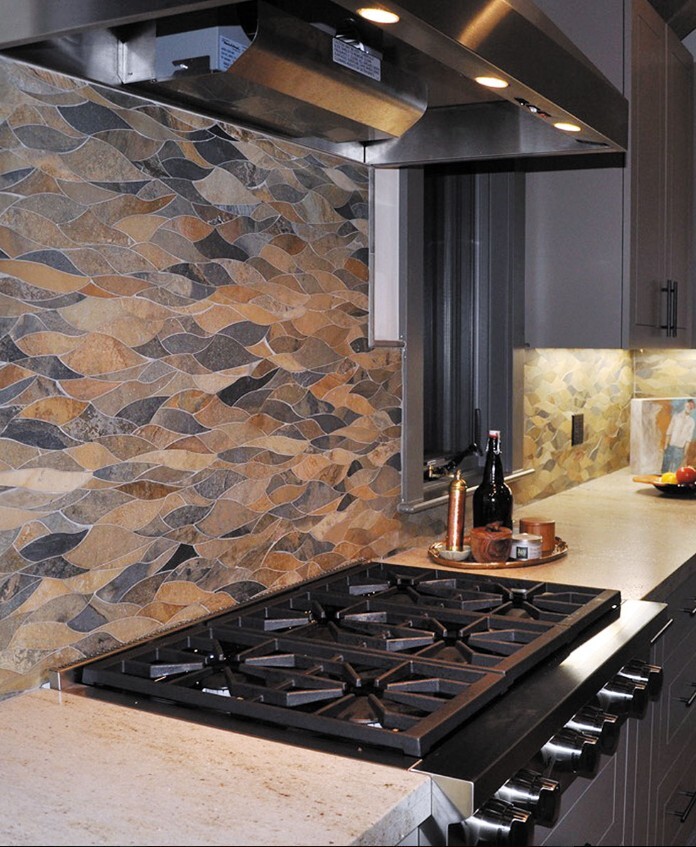
A brown backsplash can bridge the visual gap between cabinets and countertops. Instead of treating the backsplash as a separate color decision, I recommend looking at it as the surface that connects everything else in the kitchen.
You can explore materials and shapes in our full kitchen backsplash tile collection.
Brown Tile With White Cabinets
White cabinets give brown backsplash tile plenty of contrast. The combination works particularly well with medium and dark browns because the cabinetry prevents the overall design from becoming too heavy.
Quartz with warm veining, natural wood accents and either brass or black hardware can complete the palette.
Brown Tile With Wood Cabinets
This combination requires a little more attention. I would not automatically try to match the brown tile to the cabinetry.
Instead, create enough contrast so each material is recognizable. Light oak cabinets can work with a deeper brown tile. Dark walnut cabinets can look better with taupe, mushroom or mixed brown mosaics.
Should Brown Backsplash Tile Match Brown Cabinets?
Usually not exactly. Matching the tile and cabinet color too closely can flatten the room. A slight difference in shade, texture or finish creates separation and gives the design more depth.

Brown Bathroom Tile Ideas
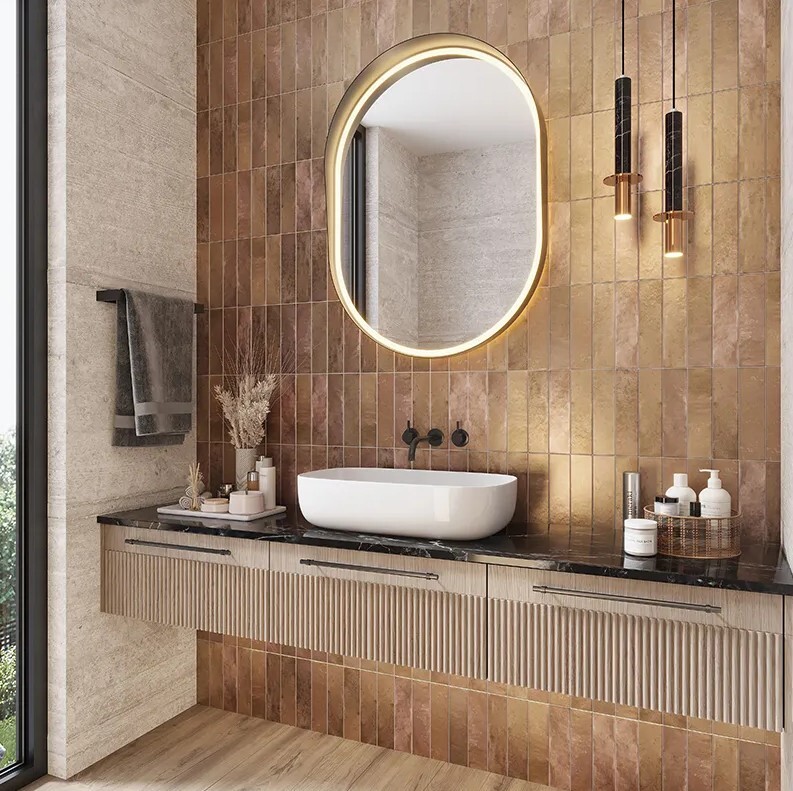
Brown is particularly well suited to bathrooms because it can create the warm, calming character people often associate with a spa.
Explore the full bathroom and shower tile collection if you are comparing tile for shower walls, shower floors, bathroom walls or flooring.
Light Brown Tile for Small Bathrooms
Light taupe, sandy brown and beige brown are generally easier to use in smaller bathrooms because they provide warmth without absorbing as much visual light as a deep chocolate brown.
If the bathroom has limited natural light, I would consider a light brown tile with some surface variation and pair it with warm white walls, a lighter vanity and good layered lighting.
Dark Brown Tile for a Moody Bathroom
Dark brown can work extremely well in a dramatic bathroom, especially when used selectively. Consider a dark brown vanity wall, shower wall or decorative niche rather than automatically covering every surface.
Brown Shower Tile
Porcelain, ceramic, glass and some natural stone products can all be appropriate for shower applications, but always check the specifications of the individual tile before using it in a wet area.
For shower floors, appearance is only one part of the decision. Tile size, surface texture, slip resistance and the ability to follow the slope of the shower pan are important considerations.
Can You Use Brown Tile on Both the Bathroom Floor and Shower?
Yes, but the tiles do not necessarily need to be identical. One approach is to stay within the same brown color family while changing scale or shape. For example, use a larger brown porcelain tile on the bathroom floor and a coordinated mosaic in the shower.
This creates continuity without making every surface look exactly the same.
Brown Fireplace Tile Ideas
Brown tile feels especially natural around a fireplace because the color already has a warm visual quality.
A brown fireplace tile can complement wood mantels, black fireplace inserts, natural flooring and warm neutral walls.
For a rustic design, consider brick inspired or naturally varied brown tile. For a cleaner contemporary fireplace, a simpler format with controlled variation can create a more architectural appearance.
Brown Floor Tile
Brown flooring can make a room feel grounded and works particularly well when you want the floor to coordinate naturally with wood furniture and other warm finishes.
If you are considering brown tile for flooring, start with our floor tile collection and confirm that the individual product is rated for your intended application.
Does Brown Floor Tile Make a Room Look Smaller?
Dark brown flooring can make a room feel more enclosed when it is combined with dark walls, dark cabinetry and limited lighting. That does not mean dark brown should be avoided.
Balance it with lighter walls, countertops, cabinetry or furnishings and the result can feel rich rather than cramped.
Light and medium brown flooring is generally easier to use in rooms where maintaining a brighter appearance is important.
Best Brown Tile Materials
Color is only one part of choosing tile. Material determines where a tile can be installed, how it performs and how much maintenance it may require.
Brown Porcelain Tile
Porcelain is one of the most versatile options for brown tile, particularly when durability and moisture resistance are priorities. Depending on the individual product rating, porcelain may be suitable for floors, walls, bathrooms, showers and other demanding applications.
Brown Ceramic Tile
Ceramic is an excellent option for decorative walls and backsplashes. It is available in a broad range of glazes, textures, shapes and color variations.
Because product ratings vary, make sure a ceramic tile is approved for the specific location where you plan to install it.
Brown Glass Tile
Glass can give brown an entirely different personality. Instead of looking rustic or earthy, brown glass can appear polished, dimensional and contemporary.
Glass mosaics work particularly well on backsplashes, shower walls, decorative niches and accent surfaces.
Brown Natural Stone Tile
Natural stone is a good choice when you want real variation that cannot be duplicated exactly from piece to piece. Brown stone may include beige, cream, gold, gray, rust and darker mineral tones within the same surface.
Keep in mind that many natural stones require sealing and more specific maintenance than glazed ceramic or porcelain.
Best Shapes and Patterns for Brown Tile
The layout can have almost as much influence on the finished room as the tile color itself. If you are comparing layouts, our tile pattern guide explains many of the most common options.
Brown Subway Tile
Subway tile keeps brown simple and versatile. A traditional offset installation works well for classic and transitional spaces, while a stacked installation can make the same color feel more modern.
Brown Herringbone Tile
Herringbone adds movement and can turn a relatively simple brown tile into a focal point. I especially like this approach for a kitchen backsplash, fireplace or shower feature wall.
Brown Mosaic Tile
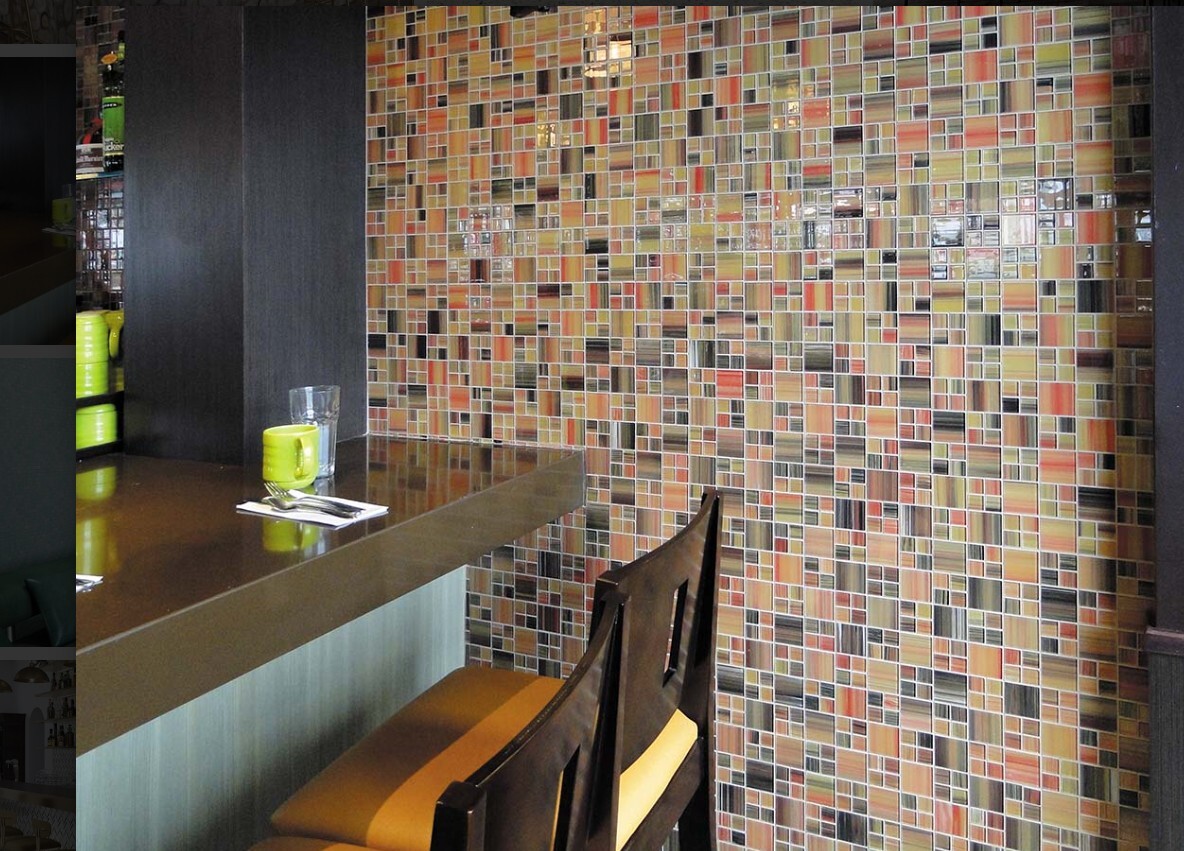
Mosaics allow several brown tones, materials or finishes to appear within one installation. They are useful when you want variation and texture without introducing several unrelated materials.
Brown Hexagon Tile
Hexagon tile gives an earthy brown color a more geometric appearance. Depending on the size and material, it can work with styles ranging from vintage to modern.
Brown Brick Look Tile
Brick inspired brown tile is a natural fit for fireplaces, accent walls and rustic kitchens. It provides the character of traditional brick while giving you additional options in porcelain and other tile materials.
What Grout Color Goes With Brown Tile?
The right grout depends on whether you want the individual tile shape to stand out or blend together.
Matching Brown Grout
A grout color close to the tile generally produces a quieter, more continuous appearance. This is useful when the tile itself already has a lot of color variation or texture.
Light Grout With Brown Tile
Light beige, cream or warm gray grout creates more contrast and makes the tile pattern easier to see. This can be particularly attractive with subway, herringbone, brick and geometric tile.
Dark Grout With Brown Tile
Dark brown or charcoal grout can create a deeper, more dramatic installation. Keep in mind that strong contrast emphasizes every grout line, so layout and installation consistency become more noticeable.
Should Grout Match the Lightest or Darkest Part of a Brown Tile?
There is no rule that says it must. With a highly varied brown tile, I usually recommend identifying the overall effect you want first. Choose grout closer to the dominant tile color for a blended look, or choose a noticeably lighter or darker grout when you want the pattern to become part of the design.
Always test grout next to an actual tile sample before making the final decision. Grout can look different once it is surrounded by the finished tile.
Glossy or Matte Brown Tile?
Finish can dramatically change how brown reads in a room.
Glossy Brown Tile
A glossy surface reflects light and can make brown look richer and more dimensional. It works especially well on kitchen backsplashes, bathroom walls and decorative applications.
Matte Brown Tile
Matte brown generally feels softer and more natural. It can be a strong choice for organic, rustic and contemporary designs where you do not want a highly reflective surface.
For floor applications, always consider the individual product's floor rating and slip characteristics rather than choosing based on appearance alone.
How to Make Brown Tile Look Expensive
The difference between a brown tile installation that looks dated and one that looks thoughtfully designed usually comes down to the surrounding materials.
Keep the palette controlled. Instead of trying to repeat the exact same shade of brown everywhere, combine several compatible warm neutrals. Brown tile might sit next to cream quartz, walnut cabinetry, warm white paint and brushed brass hardware.
Texture also matters. A tile with natural movement, an interesting glaze, dimensional surface or strong shape can give brown far more character than color alone.
How to Maintain Brown Tile
Maintenance depends more on the tile material and finish than the fact that the tile is brown.
- Vacuum or sweep floors regularly to remove grit that could scratch the surface.
- Use cleaners recommended for the specific tile material.
- Avoid abrasive products on finishes that can scratch.
- Seal natural stone when required by the manufacturer.
- Clean grout regularly rather than waiting for discoloration to become severe.
- Address spills promptly, particularly on porous stone and grout.
Always follow the care recommendations for the specific product you purchase.
Choosing Brown Tile for Your Project
Brown tile works best when you stop thinking of brown as one color. Light taupe, walnut, caramel, chocolate, espresso and mixed earth tones can create completely different rooms.
I recommend starting with the surface that has the fewest available choices, which is often the countertop or cabinetry, and then choosing the tile around it. Look at samples in your actual room, check them in both daylight and evening light, and compare them directly with the finishes that will remain in the space.
Most importantly, choose the tile based on where it will be installed as well as how it looks. The right brown tile should give you the warmth you want while still meeting the performance requirements of the backsplash, bathroom, shower, floor or fireplace where it will be used.
Ready to compare options? Browse the brown tile collection at BELK Tile to explore brown mosaics, subway tiles, natural stone, glass, ceramic, porcelain and decorative designs for your next project.
Bouquette Series Chestnut Blossoms BQT-672
The Bella Glass Tiles Bouquette Series Chestnut Blossoms BQT-672 is an exquisite all-marble mosaic tile that features a beautiful floral design. This tile br...
VIEW PRODUCT